

The Ultimate Guide to Exercise Bikes: Choosing the Right One for You
Exercise bikes have actually ended up being a staple in home fitness regimens and gym settings alike. With their versatility and range of benefits, they accommodate individuals of all fitness levels. Whether you're intending to drop weight, improve cardiovascular health, or enhance endurance, exercise bikes can be an excellent choice. This guide will explore the various kinds of exercise bikes, their advantages, important features to consider, and a detailed comparison table to assist you make an informed decision.
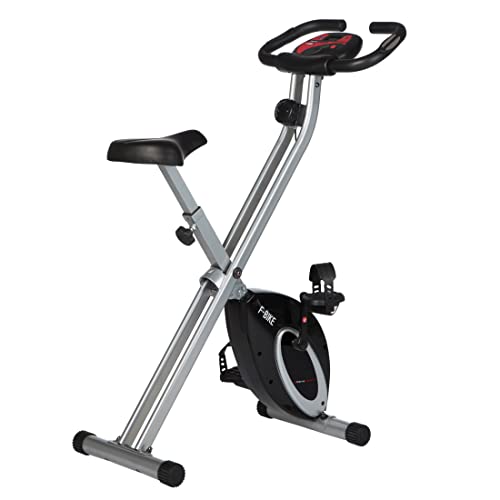
Types of Exercise Bikes
When it concerns exercise bikes, there are mostly 3 types: upright bikes, recumbent bikes, and spin bikes. Each type serves a different purpose and accommodates differing physical fitness goals.
| Kind of Bike | Description | Perfect For |
|---|---|---|
| Upright Bike | Simulates a conventional bicycle, concentrating on an upright position and engaging core muscles. | Casual riders and those building endurance. |
| Recumbent Bike | Provides a reclined seating position with a larger seat and back assistance, positioning less strain on the back. | Those with back pain or joint concerns. |
| Spin Bike | Developed for high-intensity workouts, featuring a heavy flywheel for a smooth trip and adjustable resistance. | Advanced users seeking a cycling class experience or robust workouts. |
Advantages of Using Exercise Bikes
Low Impact on Joints: Exercise bikes provide a low-impact cardiovascular workout, making them ideal for people with joint problems or those recovering from injuries.
Cardiovascular Health: Regular biking can significantly improve heart health, increasing your cardiovascular endurance and reducing the threat of heart problem.
Weight Loss and Management: Combining stationary bikes exercise bikes bicycle exercises with a healthy diet plan can assist in substantial weight loss. An individual weighing 155 pounds can burn roughly 260 calories in 30 minutes at a moderate intensity on an upright bike.
Convenience: Exercise bikes are compact and easily fit into home settings, enabling users to exercise without the need for a gym.
Adjustable Workouts: Most exercise bikes feature various resistance levels that can be changed based upon the user's physical fitness level, guaranteeing development with time.
Engagement and Versatility: Many modern bikes come equipped with innovation that allows users to follow structured workouts, track progress, and even join virtual classes, adding an interesting aspect to indoor biking.
Functions to Consider
When picking a stationary bicycle, it's necessary to consider the following features to ensure you select one that lines up with your fitness goals and choices.
| Function | Significance |
|---|---|
| Comfort | Try to find adjustable seats and handlebars to preserve correct kind and comfort during exercises. |
| Resistance Levels | Multiple resistance levels permit different workouts, catering to both novices and advanced bicyclists. |
| Digital Display | A display that tracks time, distance, calories burned, and heart rate helps in keeping track of development. |
| Size and Portability | Guarantee that the bike fits your space and can be moved quickly if needed. |
| Integrated Programs | Pre-set workout programs can help keep workouts engaging and challenging. |
| Connection | Numerous bikes now have Bluetooth capabilities and can connect to apps for enhanced tracking and virtual classes. |
Comparison Table of Popular Exercise Bikes
Here's a comparison of some popular exercise bikes readily available on the market today:
| Bike Model | Type | Resistance Levels | Weight Capacity | Price Range |
|---|---|---|---|---|
| Peloton Bike | Spin | 100 | 297 lbs | ₤ 1,445 |
| NordicTrack Commercial S22i | Spin | 24 | 350 pounds | ₤ 1,999 |
| Schwinn 270 Recumbent Bike | Recumbent | 25 | 300 pounds | ₤ 699 |
| Sunny Health & & Fitness SF-B901 | Upright | 8 | 275 pounds | ₤ 299 |
| Exerpeutic Folding Magnetic Upright Bike | Upright | 8 | 300 lbs | ₤ 169 |
Prices and specs undergo change, and it's advisable to check present offers before making a purchase.
Often Asked Questions (FAQs)
1. How often should I use my exercise bike?
For weight reduction and physical fitness improvement, go for a minimum of 150 minutes of moderate aerobic exercise machine or 75 minutes of vigorous exercise each week. This can be divided into shorter sessions based upon your schedule.
2. Do exercise bikes actually help in weight loss?
Yes! exercise bikes (simply click the next website page) can be effective for weight loss. When combined with a healthy diet and routine exercise, you can burn significant calories, leading to weight loss gradually.
3. Can I utilize a stationary bicycle if I have joint discomfort?
Yes, exercise bikes offer a low-impact workout that is simpler on the joints than running or high-impact workouts. Recumbent bikes are especially beneficial for those with back or joint discomfort.
4. Are costly exercise bikes worth the financial investment?
Higher-end bikes usually come with more features, better develop quality, and longevity. Consider your budget plan and how typically you prepare to use the bike. Quality often results in a much better exercise experience.
5. What is the very best type of exercise bike for novices?
Upright bikes are normally advised for newbies, static bike exercise, as they use a straightforward and comfortable cycling experience. Nevertheless, recumbent bikes can also be a terrific alternative for those looking for extra back support.
Exercise bikes are a fantastic addition to any physical fitness regimen, allowing people to take pleasure in a cardio exercise that is both effective and low-impact. By comprehending the different types of bikes, their advantages, and the necessary functions to consider, users can make educated options that align with their fitness goals. With the best exercise bicycle stationary bicycle, achieving fitness and health objectives can be not only attainable but pleasurable as well.












