

A Comprehensive Guide to Composite Door Scuff Removal
composite door repair near me doors are understood for their sturdiness, energy effectiveness, and visual appeal. Nevertheless, they are not resistant to wear and tear. Scuffs and marks can ruin their look with time, leading lots of homeowners to seek effective scuff removal solutions. This post aims to provide a comprehensive guide to eliminating scuffs from composite doors, covering techniques, products, and maintenance tips.
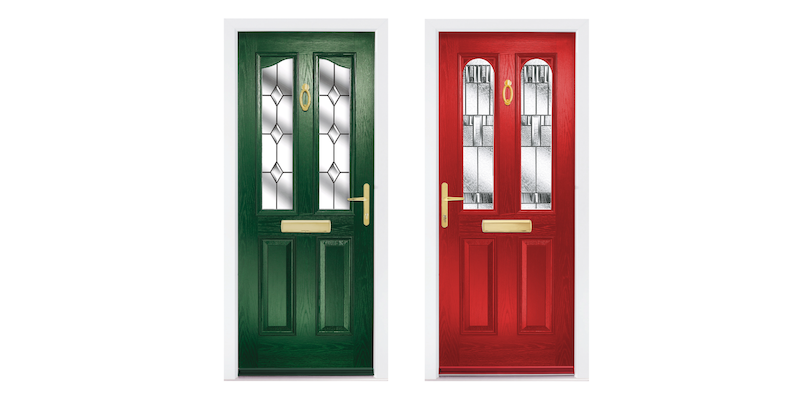
Understanding Composite Doors
Before diving into scuff removal, it's vital to understand what composite door repair tips doors are made of. Normally, these doors include a mixture of products, consisting of wood, PVC, and glass-reinforced plastic (GRP). This mix provides a benefit over standard wood or metal doors while also making cleansing and maintenance critical for longevity.
Benefits of Composite Doors
| Benefits | Description |
|---|---|
| Resilience | Resistant to warping, cracking, and peeling. |
| Energy Efficiency | High insulation properties help in reducing energy costs. |
| Low Maintenance | Requires minimal maintenance compared to wood doors. |
| Aesthetic Appeal | Offered in various designs and finishes to suit any home. |
Typical Causes of Scuff Marks
Scuff marks on composite doors can arise from various sources. Comprehending these causes can help in avoiding future damage.
| Causes | Description |
|---|---|
| Foot traffic | Shoes can leave marks, particularly in high-traffic locations. |
| Furnishings | Furniture brushing against the door causes scuffing. |
| Pets | Claw marks and spots from pets can mar the surface. |
| Ecological Factors | Dirt, grime, and weather condition residue can trigger unattractive discolorations. |
Effective Scuff Removal Methods
Here we go over efficient approaches to remove scuffs from composite doors. Depending on the seriousness of the scuff, users can select from different methods.
1. Soap and Water
Materials Required:
- Mild dish soap
- Warm water
- Soft cloth or sponge
Actions:
- Mix a few drops of dish soap in warm water.
- Soak a soft cloth or sponge in the mix.
- Gently scrub the scuffed location, using light pressure.
- Rinse with clean water and dry with a soft towel.
2. Baking Soda Paste
Products Required:
- Baking soda
- Water
- Soft fabric
Steps:
- Mix baking soda with water to produce a paste.
- Use the paste to the scuff mark utilizing a soft fabric.
- Gently rub in a circular movement for a few seconds.
- Wipe off the paste with a damp fabric and dry thoroughly.
3. Industrial Cleaners
Products Required:
- A commercial scuff eliminator (ensure it's appropriate for composite products)
- Soft fabric
Steps:
- Read the instructions on the product label.
- Use the cleaner to a soft cloth.
- Gently scrub the affected area according to maker directions.
- Clean away any residue with a clean fabric.
4. Melamine Foam
Materials Required:
- Magic Eraser or comparable melamine foam product
Actions:
- Wet a little area of the foam.
- Gently rub the scuff with the moist foam.
- Wash the location with clean water and dry.
5. Touch-Up Paint
In cases where scuffs have permeated the surface area or caused discoloration, touch-up paint may be needed.
Products Required:
- Composite door touch-up paint (matched to door color)
- Small brush or applicator
Steps:
- Clean the scuffed area.
- Use touch-up paint thoroughly to the afflicted location.
- Allow it to dry per manufacturer directions.
Maintenance Tips
Preventing future scuffs is necessary for maintaining the looks of composite doors. Here are some useful maintenance suggestions:
- Regular Cleaning: Clean the doors frequently with soapy water or a moderate cleaner to eliminate dirt and avoid accumulation.
- Prevent Abrasive Materials: Never utilize abrasive pads or extreme chemicals that might scratch the surface area.
- Protective Covering: Consider installing a door guard or bumper to secure the door from foot traffic or furniture.
- Conscious Placement: Be conscious about where furnishings is positioned in relation to the door.
- Usage Floor Mats: Utilize mats near the entryway to lower dirt and particles that may trigger scuffs.
Frequently Asked Questions about Composite Door Scuff Removal
Q1: Can I utilize vinegar to tidy scuffs from composite doors?
A1: While vinegar is a natural cleaner, it's best to avoid using it on Composite Door Hinge Repair - Https://Odom-Mccarty-3.Hubstack.Net - doors as it can damage the finish. Adhere to mild soap and water or specialized cleaners.
Q2: How typically should I clean my composite door?
A2: It is recommended to clean your composite door a minimum of when every 3 months, more often in high-traffic locations or during extreme weather conditions.
Q3: Are scuffs common on composite doors?
A3: Yes, scuffs can occur on composite doors, especially in high-traffic areas or if there is regular contact with furnishings or animals.
Q4: What should I do if the scuff mark doesn't come off?
A4: If standard cleansing techniques fail, consider attempting business cleaners or touch-up paint. If the damage is substantial, speak with a professional for suggestions on refurbishment.
Q5: Can heat up damage composite doors?
A5: Yes, extreme heat can warp or damage the structure of composite doors. It's important to keep a steady temperature level around the door.
Removing scuffs from composite doors does not have to be a difficult task. With the ideal knowledge and tools, property owners can effectively restore their doors to their original charm. Routine maintenance, integrated with correct cleaning techniques, can prevent future scuffs and prolong the life of composite door refurbishment services doors. By following the actions outlined in this guide, anybody can keep their composite doors looking beautiful and inviting for many years to come.












