

Understanding Roofline Replacement: A Comprehensive Guide
When it concerns home maintenance, the roof typically remains overlooked until concerns arise. One vital aspect of roofing that house owners might need to think about is roofline replacement. This process involves replacing or upgrading the roofline of a residential or commercial property, which can significantly boost the total aesthetic appeals and functionality of a home. In this blog post, we will explore the concept of roofline replacement in depth, including its benefits, costs, and often asked questions.
What is Roofline Replacement?
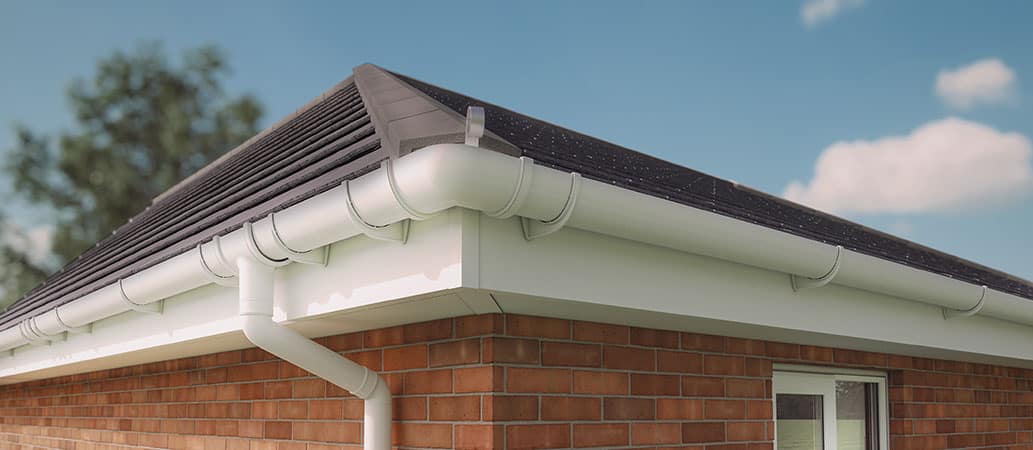
Roofline replacement describes the process of replacing the existing roofline of a building, that includes the eaves, Fascia Repair, soffits, and in some cases the roofing system covering itself. This renovation is essential for a number of reasons, consisting of improving energy performance, improving curb appeal, and preventing water damage. Rooflines are more than just a visual feature; they play a crucial function in the structural integrity and efficiency of a building.
Why Consider Roofline Replacement?
House owners might consider roofline replacement for various reasons. Here are a few of the most common:
Aesthetic Improvement: An updated roofline can substantially improve a home's curb appeal. Whether you're looking to offer your home or simply wish to enjoy its look, a new roofline can make a distinction.
Energy Efficiency: Older roofing systems may not offer appropriate insulation or ventilation, causing higher energy bills. A roofline replacement can assist enhance your home's energy efficiency.
Preventing Damage: Damaged or weakening rooflines can result in leakages and water damage within the home. Changing the roofline can prevent these concerns before they aggravate.
Increasing Property Value: Home improvements, particularly those related to the roofing, can increase the total value of a residential or commercial property, making it more enticing to potential buyers.
Compliance with Regulations: In some areas, developing regulations might require certain standards for rooflines. Updating your roofline may help you comply with regional codes.
Parts of Roofline Replacement
A roofline includes a number of elements that may need to be replaced throughout a roofline replacement project. Here's a breakdown of these elements:
| Component | Description | Function |
|---|---|---|
| Eaves | The lower edges of a roofing that overhang the walls | Secure walls from rainwater and direct it away from the structure |
| Fascia Board Replacement | The horizontal board that runs along the edge of the roofing | Holds the rain gutters in place and provides a completed look |
| Soffits | The underside of the eaves, usually aerated | Allows air flow into the attic, assisting with temperature level policy |
| Roofing Covering | The material utilized to cover the roofing system (e.g., shingles, tiles, metal) | Protects the home from the aspects and includes to its aesthetic |
| Gutters | Channels that collect rainwater from the roofing and direct it far from the home | Avoids water damage to the foundation and walls |
The Roofline Replacement Process
The roofline replacement procedure generally involves several essential actions:
Assessment: A professional roof contractor will assess the present condition of the roofline and figure out the necessary repairs or replacements.
Planning: The contractor will discuss alternatives with the house owner, consisting of materials, colors, and styles, and develop a comprehensive strategy for the task.
Elimination: The old roofline parts will be carefully removed to prevent damage to the underlying structure.
Installation: New elements are set up, making sure appropriate flashing and ventilation are in location to prevent future problems.
Finishing Touches: Once the installation is complete, the contractor will perform a final evaluation to ensure everything depends on standard.
Expense of Roofline Replacement
The expense of roofline replacement can vary considerably based upon a number of elements, consisting of the size of the home, the products utilized, and the complexity of the installation. Here's a general breakdown:
| Component | Typical Cost per Linear Foot |
|---|---|
| Eaves | ₤ 6 - ₤ 10 |
| Fascia And Soffit Company | ₤ 5 - ₤ 12 |
| Soffits | ₤ 4 - ₤ 8 |
| Gutter System | ₤ 5 - ₤ 15 |
| Roofing Covering | ₤ 3 - ₤ 10 per square foot |
Total Estimated Costs
In general, property owners can anticipate to pay anywhere from ₤ 2,000 to ₤ 10,000 for a total roofline replacement, depending on the specific requirements of the project.
Often Asked Questions (FAQ)
Q: How frequently should roofline parts be changed?
A: Roofline elements should be inspected frequently and can generally last anywhere from 20 to 50 years, depending upon the product. Signs of damage or wear warrant an immediate evaluation.
Q: Can I replace the roofline myself?
A: While DIY projects can conserve cash, roofline replacement needs specialized understanding and skills. It is a good idea to work with a professional roof contractor to guarantee correct installation and avoid prospective risks.
Q: What materials are best for roofline replacement?
A: Common products consist of vinyl, aluminum, and wood. Each product has its benefits and disadvantages, such as cost, sturdiness, and maintenance requirements.
Q: Will roofline replacement need authorizations?
A: Depending on regional regulations, permits may be required for roofline replacement. It's essential to talk to local authorities or your contractor.
Q: How can I pick the right contractor for my roofline replacement?
A: Look for licensed and insured specialists with favorable reviews, a strong portfolio of previous work, and clear communication. Getting numerous quotes can likewise help in deciding.
Roofline replacement is a substantial financial investment that can enhance the security, energy performance, and aesthetic appeal of a home. By comprehending the parts involved, the procedure, and costs, house owners can make educated choices about their roof needs. Whether tackling it as a DIY job or working with professionals, guaranteeing the roofline remains in optimal condition is essential for the durability of any home.












