

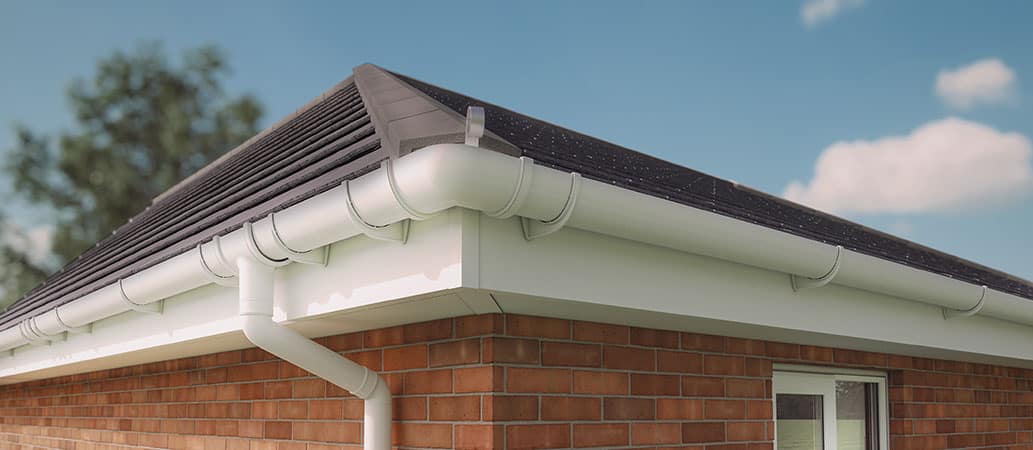
The Comprehensive Guide to Soffit Board Replacement
Soffit board replacement is a crucial part of home maintenance that many homeowners overlook up until problems arise. The soffit, which sits under the eaves of your roofing system, plays a crucial function not only in improving your home's visual appeal but also in protecting your home from wetness intrusion and bug problems. This guide looks into the complexities of soffit board replacement [thewilcoxreport.com], from why it is necessary to how to properly undertake this job.
What is Soffit?
Soffit describes the material that covers the underside of Eaves Repair or arches in a structure. It can be found on both domestic and business structures and can be made from various materials, including wood, vinyl, aluminum, or fiber cement. The main functions of soffit include:
- Ventilation: It enables air to distribute through the attic space, preventing heat accumulation.
- Visual appeals: A well-kept soffit can improve your home's curb appeal.
- Defense: It guards rafters and other structural elements from water damage and bugs.
| Function | Description |
|---|---|
| Ventilation | Facilitates airflow to reduce heat and moisture buildup in the attic. |
| Visual appeals | Improves the general appearance of your home's exterior. |
| Protection | Defends structural components from moisture exposure Fascias And Soffits bug invasion. |
Why Replacement is Necessary
In time, soffit boards can deteriorate due to weather direct exposure, pests, or merely due to age. Knowing when to change your soffit boards is important to maintaining your home's stability. Typical signs that it's time for a replacement consist of:
- Visible Damage: Cracks, holes, or signs of rotting.
- Pest Infestation: Evidence of pests or rodents near the soffit location.
- Wetness Issues: Water damage or mold present in or around the soffit.
- Peeling Paint: In paint-based surfaces, peeling can indicate underlying concerns.
Products for Soffit Boards
When considering replacement, the option of product plays a substantial role in the durability and appearance of the Soffit Replacement. Here are some common materials utilized for soffit boards:
| Material | Benefits | Drawbacks |
|---|---|---|
| Wood | Natural appearance, easy to paint or stain | Prone to rot, needs routine maintenance |
| Vinyl | Low maintenance, resistant to moisture | Restricted color choices, can split in extreme temperature levels |
| Aluminum | Resilient, light-weight, non-corrosive | Can dent easily, requires appropriate installation |
| Fiber Cement | Extremely resilient, resistant to rot & & insects | Much heavier installation, more expensive |
Do it yourself vs. Professional Help
Before embarking on a soffit board replacement task, homeowners need to think about whether to tackle it as a DIY project or work with a professional. Here are some advantages and disadvantages for each choice:
DIY Replacement
Pros:
- Cost-effective since labor is not included.
- Flexibility in timing and pace of work.
- Personal complete satisfaction of completing the job.
Cons:
- Requires a great understanding of roofing structure.
- Security threats associated with ladder use or dealing with roofing systems.
- Possibility of incorrect installation resulting in future problems.
Professional Replacement
Pros:
- Expertise ensures correct installation and quality products.
- Saves time and minimizes physical stress.
- Frequently features service warranties for craftsmanship and products.
Cons:
- Higher expenses related to labor.
- Scheduling can be based on professionals' schedule.
Steps for Soffit Board Replacement
If a house owner selects to replace soffit boards themselves, the following actions supply a clear guide:
Assess the scenario: Inspect the existing soffit boards for damage. Determine areas that require replacing.
Gather Materials: Decide on the material, collect tools (screwdriver, saw, determining tape, and so on), and acquire the essential amount of soffit boards.
Get Rid Of Old Soffit Boards: Carefully remove the damaged boards. Use the ladder securely and make sure all particles is dealt with properly.
Set Up New Soffit: Attach the brand-new boards to the designated area. Ensure to follow the manufacturer's guidelines for the materials chosen.
Finishing Touches: Seal edges and joints as required. Guarantee appropriate ventilation is preserved.
Tidy up: Dispose of all old materials Fascia And Soffit Maintenance tidy the surrounding location.
FAQ
1. How often should soffit boards be changed?There's no set timeline for replacement, however checking your soffit boards every five years is an excellent practice. Change them when you find substantial damage.
2. Can I paint vinyl soffit boards?Yes, while vinyl can be painted, it's advisable to use 100% acrylic paint for ideal adhesion and resilience.
3. Is soffit board replacement a complex job?While it needs some woodworking skills, it is workable for a lot of house owners ready to commit the time. However, if you're unsure, it's best to seek advice from a professional.
4. What are the indications of a stopping working soffit?Typical signs include visual degradation, pest activity, water spots, and mold development.
5. How do I guarantee ventilation after replacement?Ensure to install aerated soffits if your attic requires airflow to avoid moisture accumulation.
Changing soffit boards is a vital aspect of home maintenance that should not be overlooked. Whether picking to tackle it personally or employing a contractor, understanding the products, processes, and signs of damage will assist make sure a successful replacement. By investing time and resources into preserving your soffits, you are not only boosting the appeal of your home but also safeguarding its overall structural integrity.










