

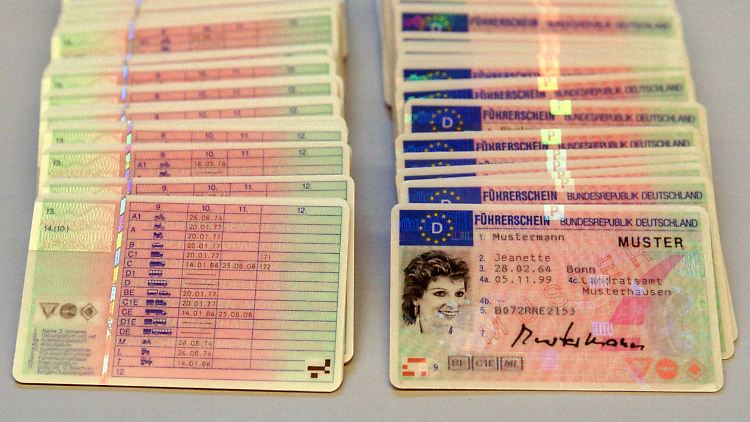
A Comprehensive Guide to the German Driving License Application Process
Acquiring a driving license is an essential step for anybody wanting to navigate the roads of Germany, whether for personal satisfaction, commuting to work, or taking a trip. The German driving license application process can appear daunting due to the various requirements and guidelines, particularly for buy a Driving license in germany those unknown with the system. This post aims to break down the application process into workable sections, supplying valuable insights, tables, and a thorough FAQ area to help candidates with confidence tackle each action.
Understanding the German Driving License
Germany uses various classes of driving licenses, with the most common being Class B, which enables the holder to operate guest automobiles. Other classes consist of A (motorcycles), C (trucks), and D (buses). It is important for candidates to determine which class they need based on their driving intentions.
Types of Driving Licenses in Germany
| License Class | Lorry Type | Minimum Age |
|---|---|---|
| A | Bikes (over 125cc) | 24 (or 20 with two years A2 experience) |
| A2 | Motorcycles (approximately 400cc) | 18 |
| B | Traveler vehicles (as much as 3.5 tons) | 18 |
| C | Trucks (over 3.5 heaps) | 21 |
| D | Buses | 24 |
Steps to Apply for a German Driving License
1. Figure out Eligibility
Before applying, possible candidates must ensure they meet particular eligibility requirements:
- Minimum age requirement
- Legal residence in Germany
- Valid identity evidence (passport or EEA nationwide ID)
- Proficiency in German (reading and understanding)
2. Choose the Right Driving School
Finding a credible driving school is crucial. Research local schools, considering aspects such as:
- Course charges
- Accessibility of automobiles
- Instructor certifications
- Trainee reviews
3. Collect Necessary Documents
When obtaining a driving license, applicants need to prepare the following files:
| Document | Description |
|---|---|
| Identity proof | Passport or national ID |
| House permit | Evidence of legal residence in Germany |
| Eye test certificate | Verification of visual skill from an optician |
| Emergency treatment course certificate | Proof of completion of a very first help course |
| Biometric photo | Current passport-sized photograph |
4. Register in a Driving School
Once the essential files are gathered, the next step is to enroll in a driving school. The enrollment process usually includes:
- Filling out an application form
- Paying the registration fee
- Setting up a schedule for theoretical and practical lessons
5. Theoretical Instruction
Driving schools offer theoretical classes where prospects discover about traffic signs, rules, and driving policies. The theoretical examination covers numerous topics, including:
- Traffic laws
- Car operation
- Ecological considerations
- Emergency treatment
Candidates must pass this test before they can progress to practical driving lessons.
6. Practical Driving Lessons
After effectively completing the theoretical portion, candidates take practical driving lessons. These sessions normally consist of:
- Basic vehicle handling
- Driving in various weather condition conditions
- Night driving
- Highway and city driving
The number of lessons required can differ, however on average, trainees might need in between 20 to 40 hours of driving direction.
7. Passing the Driving Tests
Theoretical Exam
The theoretical test usually includes multiple-choice questions. Candidates must attain a minimum score to pass.
Practical Exam
The practical driving test is carried out by a main examiner. Prospects must show their driving skills, roadway awareness, and adherence to traffic laws. Passing the useful exam is essential to obtain the driving license.
8. Receiving the Driving License
Once both tests are effectively finished, prospects can request their driving license at the regional driving license authority (Fahrerlaubnisbehörde). The following is needed:
- Completed application kind
- All paperwork previously gathered
- Payment of processing fees
9. License Issuance
After processing, which can take anywhere from a few days to a number of weeks, prospects will receive their German driving license.
Common FAQs About the German Driving License Application
1. How long does the whole procedure take?
The process can draw from a few months to over a year, depending upon individual circumstances, such as the time taken to finish lessons and schedule examinations.
2. What is the cost of acquiring a German driving license?
The expense differs widely based on the driving school and area but generally varies from EUR1,500 to EUR3,000, consisting of lessons, exams, and additional costs.
3. Can I transform my foreign driving license to a German one?
Yes, residents from particular nations can transform their foreign licenses without taking more tests, Lösung für den deutschen Führerschein) while others may need to complete both theoretical and practical exams.
4. How many driving lessons do I need?
While there is no fixed number, many students require between 20 to 40 driving lessons before they are adequately gotten ready for the useful exam.
5. What if I stop working the driving tests?
Prospects can retake the tests, although there might be waiting periods and additional costs included.
6. What should I do if my license is lost or stolen?
Right away report the loss or theft to the authorities and look for a replacement at your regional driving license authority.
Navigating the German driving license application procedure may appear complex, Echten deutschen Führerschein kaufen (101.35.227.2 blog entry) but by following these described actions and making sure that all documentation and preparations remain in order, prospects can achieve their goal of becoming certified chauffeurs. As they embark on this journey, it is necessary to remain organized and Deutschen FüHrerschein Bestellen client-- the benefits of freedom and mobility on Germany's roads await those who persevere.












