

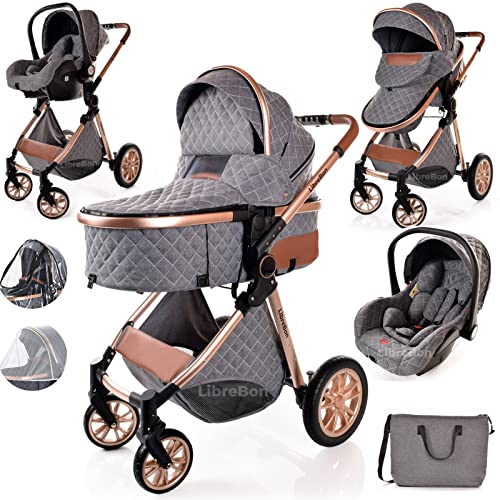
Pram Vs Pushchair: What's the very best Choice for Your Child?
When it concerns transporting your child, moms and dads typically discover themselves asking the concern: Pram or Pushchair? While both serve the necessary function of carrying babies and young children, they vary considerably in design, usability, and function. This thorough guide will explore the advantages and disadvantages of each option, assisting you make a notified choice that best fits your lifestyle and requirements.
Comprehending the Basics
Before we dive into the information, let's clarify just what a pram and a pushchair are.
Pram: A pram shops near me, brief for perambulator, is normally developed for newborns to around 6 months old. It includes a flat, reclining seat that permits infants to lie down completely. Prams generally include big wheels for smoother trips on varied surface.
Pushchair: A pushchair, also understood as a stroller, is created for older babies and young children who can sit up on their own. pushchairs best generally have a more upright seat and are lighter and more compact than prams, making them easier to steer in congested spaces.
Key Differences Between Prams and Pushchairs
Here's a comparative breakdown of the significant distinctions in between prams and pushchairs:
| Feature | Pram | Pushchair |
|---|---|---|
| Age Range | Newborn to 6 months | 6 months to 4 years |
| Seating Position | Fully reclining | Upright or reclining |
| Weight | Heavier | Lighter, differs by model |
| Mobility | Less portable, bulkier | More portable, simpler to fold |
| Terrain | Better for rough terrains | Best for urban environments |
| Storage | Minimal storage options | Frequently comes with storage baskets |
| Cost | Normally more costly | More affordable choices |
Benefits and Disadvantages
Pram
Benefits:
- Comfort for newborns: The flat, reclining seat provides a comfy space for babies, which is important for their establishing spinal column.
- Stable design: Prams are generally more stable, making them best for outdoor walks, particularly on irregular surface areas.
- Design: Many moms and dads value the classic and stylish appearance of prams.
Disadvantages:
- Less flexibility: Prams can be bulky and much heavier, making them less practical for daily usage.
- Much shorter life-span: As your child grows, the pram may no longer appropriate after they reach six months.
Pushchair
Advantages:
- Lightweight and compact: Pushchairs are much easier to carry and steer, especially in crowded areas or public transportation.
- Flexible seating positions: Many pushchairs provide adjustable seats, permitting reclining positions for naps or sitting up for exploration.
- Storage choices: Most pushchairs consist of storage baskets, making them useful for carrying bags or kid basics.
Downsides:
- Less comfort for newborns: Not all pushchairs are suitable for newborns unless they feature a baby cars and truck seat or carrycot accessory.
- Stability concerns: Some lightweight designs may not perform well on uneven surface.
Picking the Right Option for You
When choosing in between a pram and a pushchair, consider the list below aspects:
1. Age of Your Child
- If you have a newborn, a pram might be the best choice.
- For older babies and young children, a pushchair is generally more useful.
2. Way of life and Usage
- Urban residents may choose the lightweight and compact pushchair style of a pushchair.
- Parents who enjoy outdoor activities might benefit from the stability and convenience of a pram.
3. Budget plan
- prams for sale tend to be more expensive due to their style and materials.
- Pushchairs are available throughout a more comprehensive cost range, offering you more alternatives.
4. Storage Space
- If you have restricted storage in your home or in your vehicle, a pushchair is much easier to fold and keep.
5. Surface Considerations
- For families residing in areas with rough terrain, a pram may use much better movement.
- If you mainly browse city streets, a pushchair will likely be more effective.
FAQs
Q1: Can I use a pushchair for a newborn?
A: Yes, numerous contemporary pushchairs featured infant safety seat adapters and carrycots that allow them to be utilized for newborns. However, examine the producer's guidelines to make sure safety.
Q2: Do I need both a pram and a pushchair?
A: It depends on your lifestyle. Some parents select both for different celebrations, while others discover one option enough.
Q3: Are prams and pushchairs simple to clean?
A: Most modern-day models are designed with easy-clean fabrics, but always examine the manufacturer's directions for specific care guidelines.
Q4: How long can I utilize a pushchair?
A: The lifespan of a pushchair generally ranges from around 6 months to 4 years, but this can vary based upon the model and weight capacity.
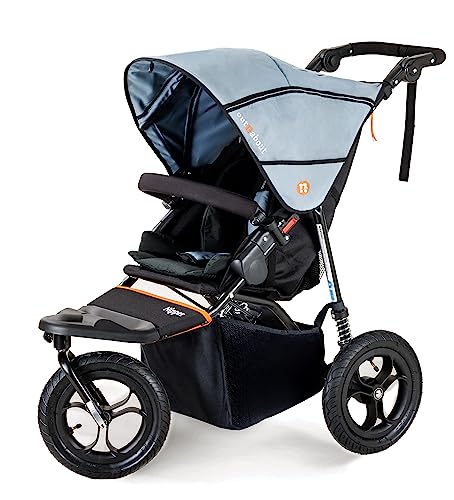
Q5: Are there travel systems that include both?
A: Yes, lots of brands provide travel systems that include both a pram and pushchair parts, allowing for a seamless transition as your baby grows.
The option in between a pram and a pushchair eventually comes down to individual choice and lifestyle requirements. Comprehending the differences, advantages, and drawbacks of each can assist you make a choice that will offer your kid with convenience push chairs and prams (git.codefather.pw) security while satisfying your family's practical requirements. Whether you go with the standard pram or the versatile pushchair, purchasing quality devices will enable you to browse the journey of being a parent with ease and self-confidence.












