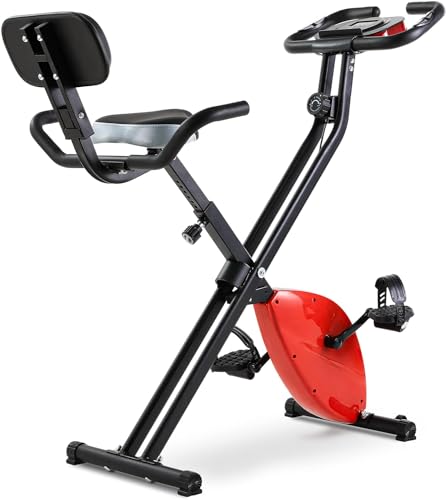
The Ultimate Guide to Exercise Bicycles: Fitness on Two Wheels
As physical fitness patterns continue to develop, the simple exercise bicycle (eventessentials.mx) stays a staple in both home exercise equipment fitness centers and industrial physical fitness centers. Known for its flexibility and benefit, the exercise bike supplies an outstanding cardiovascular workout without the high effect connected with some other physical fitness equipment. In this thorough guide, we will explore the benefits, types, and necessary functions of cycle exercise home bikes, together with an FAQ section to attend to typical questions.
Tabulation
- Advantages of Using an Exercise Bicycle
- Types of Exercise Bicycles
- A. Upright Bikes
- B. Recumbent Bikes
- C. Spin stationary bikes exercise bikes
- Important Features to Consider
- Comparing Exercise Bicycles: A Table
- Often Asked Questions (FAQ)
- Conclusion
1. Advantages of Using an Exercise Bicycle
Cardiovascular Health
Routine cycling assists improve cardiovascular fitness. Research suggests that individuals who keep an active lifestyle, including cycling, reveal a lower threat of heart disease.
Weight reduction
Exercise bikes are effective for burning calories. Depending upon the intensity, users can burn between 400 to 600 calories per hour, making it an outstanding choice for weight management.
Joint-Friendly
Unlike running or other high-impact activities, biking is easy on the joints. It minimizes the danger of injury, making it suitable for people of all ages, consisting of those recovering from injuries.
Convenience and Accessibility
With an exercise bicycle, users can take pleasure in a workout from the convenience of their homes, no matter external weather condition conditions. The capability to exercise at any time improves ease of access.
Improved Mental Health
Taking part in regular physical activity, such as cycling, can minimize anxiety and depression symptoms. The release of endorphins throughout exercise promotes a better mood and overall psychological wellness.
2. Kinds Of Exercise Bicycles
When picking an exercise bicycle, it's necessary to understand the various types readily available, as each accommodates particular requirements and physical fitness goals.
A. Upright Bikes
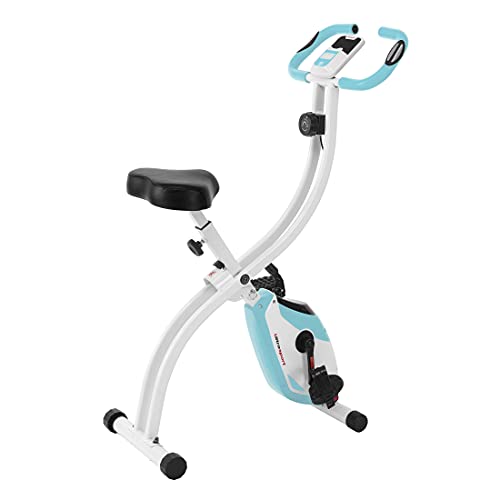
Upright bikes are the most conventional form of mini cycle exercise bike bicycles and mimic the posture of a basic roadway bike.
Pros:
- Compact style, appropriate for small areas.
- Provides a reasonable biking experience.
Cons:
- May be unpleasant for long period of time due to saddle position.
B. Recumbent Bikes
These bikes include a reclined seating position, offering back assistance and dispersing weight evenly throughout the back and butts.
Pros:
- Comfortable seating, suitable for longer sessions.
- Lower threat of pain and injury.
Cons:
- Takes up more space than upright bikes.
- Might not offer a sensation of an authentic biking experience.
C. Spin Bikes
Spin bikes are designed for high-intensity workouts and often include a heavier flywheel for a smoother ride.
Pros:
- Suitable for extreme interval training.
- Adjustable resistance levels accommodate various fitness levels.
Cons:
- Can be more expensive than other types.
- May need a learning curve for appropriate use.
3. Vital Features to Consider
When purchasing an exercise bicycle, several features can boost your workout experience.
| Function | Significance |
|---|---|
| Resistance Levels | Different levels provide flexibility for workouts. |
| Display Monitor | Tracks time, distance, calories burned, and speed. |
| Adjustable Seat | Guarantees comfort by permitting personalization. |
| Weight Capacity | Inspect to ensure the bike exercise home meets specific needs. |
| Portability | Think about integrated wheels for easy motion. |
| Bluetooth Connectivity | Syncs with physical fitness apps for tracking development. |
4. Comparing Exercise Bicycles: A Table
The following table supplies a contrast of popular exercise bicycle designs throughout different classifications:
| Model | Type | Resistance Levels | Adjustable Seat | Show Monitor | Cost Range |
|---|---|---|---|---|---|
| Peloton Bike | Spin | 20 | Yes | Yes | ₤ 1,495 - ₤ 1,745 |
| Schwinn 270 Recumbent | Recumbent | 25 | Yes | Yes | ₤ 799 - ₤ 849 |
| Sunny Health SF-B1002 | Upright | 8 | Yes | Yes | ₤ 200 - ₤ 250 |
| Nautilus U618 | Upright | 25 | Yes | Yes | ₤ 600 - ₤ 1,000 |
| Keiser M3i | Spin | Infinite | Yes | Yes | ₤ 2,495 |
5. Often Asked Questions (FAQ)
Q1: How frequently should I use an exercise bicycle for weight loss?
A: To see substantial weight loss results, goal for a minimum of 150 minutes of moderate-intensity cycling each week, combined with a well balanced diet.
Q2: Can I build muscle utilizing an exercise bicycle?
A: While exercise bikes mostly promote cardiovascular fitness, they can assist strengthen leg muscles, especially the quadriceps, hamstrings, and calves.
Q3: Is it safe for elders to use exercise bicycles?
A: Yes! Exercise bicycles are low-impact and offer a safe way for elders to take part in physical activity. However, it's advisable to seek advice from a health care provider before beginning any new exercise routine.
Q4: What should I use while using an exercise bicycle?
A: Wear comfy, moisture-wicking clothing and proper footwear. Consider biking shoes designed for the particular kind of bike.
Q5: How do I maintain my exercise bicycle?
A: Regular upkeep includes inspecting and tightening parts, cleaning up the bike, and making sure the resistance mechanism is operating correctly.
The exercise bicycle remains a popular option for those seeking an effective and low-impact workout. Its flexibility, ease of use, and multiple health benefits make it a perfect addition to any physical fitness regimen. Whether one opts for an upright, recumbent, or spin bike, comprehending the necessary features and types can assist in making a notified purchase. Eventually, the key to reaping the benefits depends on consistency and satisfaction of the exercise regimen, promising a healthier lifestyle on two wheels.