


A Comprehensive Guide to Buying a Mobility Scooter
Mobility scooters have become a crucial tool for numerous people aiming to boost their self-reliance and mobility. With a huge selection of models and functions available, picking the best mobility scooter can be daunting. This article offers buying a mobility Scooter useful guide to help customers browse their options, evaluate their needs, and make an informed purchase.
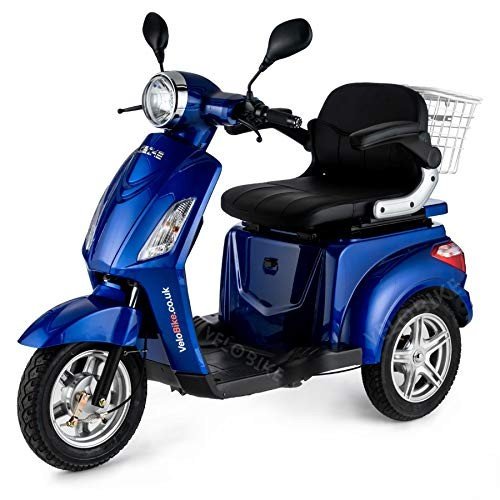
Understanding Mobility Scooters
Mobility scooters are electric vehicles designed for people who experience mobility obstacles. They are particularly advantageous for seniors, those with disabilities, or people recovering from injuries. Mobility scooters can vary extensively in regards to design, functions, and prices.
Types of Mobility Scooters
Before starting a purchase, it's vital to comprehend the different kinds of mobility scooters available:
Three-Wheel Scooters:
- Generally more maneuverable in tight areas
- Lightweight and portable
- Perfect for indoor use
Four-Wheel Scooters:
- Offer higher stability and balance
- Appropriate for outdoor usage over different terrains
- Generally have a longer battery life
Foldable/Portable Scooters:
- Designed to be easily transferred and kept
- Can frequently fit in the trunk of a car
- Perfect for those who take a trip often
Heavy-Duty Scooters:
- Built to accommodate larger individuals
- Typically featured more robust features for outdoor usage
- Typically geared up with bigger batteries for prolonged range
Elements to Consider When Buying a Mobility Scooter
1. Weight Capacity
Pick a mobility scooter that can support the user's weight. Many scooters have a weight limitation ranging from 250 to 500 pounds. It is crucial to ensure that the scooter can accommodate the user comfortably.
2. Range and Battery Life
The variety is how far the mobility scooter can travel on a single charge. Typical ranges differ between 10 to 30 miles. Consider the user's day-to-day activities and choose a scooter with a suitable range.
3. Scooter Dimensions
Think about the size of the scooter, including its weight and dimensions. A more compact scooter might be ideal for narrow corridors and tight spaces, while bigger models offer additional stability and comfort.
4. Terrain Capability
Assess where the scooter will mostly be used. If the user plans to take a trip primarily on pavement, a lightweight model may suffice. However, if the user needs to pass through gravel or unequal surfaces, consider a four-wheel scooter constructed for off-road usage.
Leading Features to Look For
Convenience
- Adjustable Seats: Look for scooters with cushioned and height-adjustable seats to guarantee comfort throughout travel.
- Armrests: These improve security and support while navigating.
Safety and Visibility
- Headlights and Taillights: Essential for nighttime use.
- Turn Signals and Reflectors: Improve presence and security while on the road.
User-Friendly Controls
- Joystick or Drive Controls: These should be user-friendly and easy to manipulate.
- Easy-to-Read Displays: A control panel that reveals battery life, speed, and distance can improve the user experience.
Additional Features
- Storage Compartments: These use added benefit for bring personal products while on the go.
- Weather condition Protection: Consider designs with rain covers or windshields if used in variable climate condition.
Expense Considerations
When budgeting for a mobility scooter, rates can range anywhere from ₤ 500 to over ₤ 5,000 depending on the design, functions, and brand. Additional costs might consist of:
- Extended Warranty: Protects versus problems and can conserve cash in the long run.
- Accessories: Optional functions, such as upgraded seats, lights, or storage services.
| Feature | Expense Range |
|---|---|
| Standard Models | ₤ 500 - ₤ 1,500 |
| Mid-Range Models | ₤ 1,500 - ₤ 3,000 |
| High-End Models | ₤ 3,000 - ₤ 5,000 |
Funding Options
Lots of retailers use funding plans, and some city government initiatives may provide grants or help for those in requirement. Examine possible financial help with neighborhood resources or mobility service organizations.
FAQs about Buying a Mobility Scooter
What is the distinction in between a mobility scooter and a wheelchair?
Mobility scooters are motorized and enable users to navigate independently, while wheelchairs might require physical support or manual operation.
How do I preserve a mobility scooter?
Routine upkeep involves checking battery life, cleaning the scooter, and inspecting tires and brakes. Always refer to the user handbook for particular standards.
Can mobility scooters be used inside your home?
Yes, numerous models are developed for both indoor and outside use. Nevertheless, three-wheel scooters tend to be better suited for indoor navigation due to their tighter turning radius.
Are mobility scooters covered by insurance?
Some insurance coverage prepares cover a portion of the expenses for mobility scooters if they are deemed medically needed. Contact your company for particular information.
How fast can a mobility scooter go?
A lot of mobility scooters have a maximum speed ranging from 4 to 8 mph. Nevertheless, the suitable speed may vary depending on local guidelines.
Purchasing a mobility scooter can significantly improve one's self-reliance and lifestyle. By comprehending the types, features, and costs connected with mobility scooters, prospective purchasers can make well-informed choices that fit their requirements and preferences. Personalization and extensive research study are key to ensuring fulfillment with this crucial financial investment.












