The Ultimate Guide to Pushchairs and Prams: Making the Right Choice for Your Family
With the arrival of a new baby, moms and dads are frequently overwhelmed by the myriad of options they face, particularly when it pertains to picking the ideal pushchair or pram. Understanding the various types, functions, and considerations can help make this crucial decision simpler. This guide will explore the essential differences between pushchairs and prams, their numerous uses, and essential features to look for. It will also respond to common concerns moms and dads may have, supported by tables for a clearer contrast.
Comprehending Pushchairs and Prams
Before making a purchase, it's vital to separate in between a pushchair and a pram:
Pushchair
A pushchair, also called a stroller, is a flexible tool created for older infants and young children. Pushchairs are generally light-weight, easier to steer, and typically featured features such as adjustable deals with and reclining seats.
Pram
On the other hand, a pram is developed mainly for newborns and younger babies. It has a flat, lie-down position that supports a baby's spine and permits comfy naps. Prams typically have a more conventional style and are bulkier compared to pushchairs.
| Feature | Pushchair | Pram |
|---|---|---|
| Age Suitability | From about 6 months onwards | Newborn to around 6 months |
| Seat Position | Upright, Pushchairs prams reclining | Flat, lie-flat position |
| Weight | Normally lighter and more compact | Typically heavier and bulkier |
| Maneuverability | Easier to browse | Typically more steady |
| Storage Space | Typically has additional storage | Might have restricted storage |
Types of Pushchairs and Prams
When it concerns choices, there are different designs of pushchairs and prams for sale available for moms and dads to pick from:
1. Standard Prams
- Suitable for newborns.
- Feature an entirely flat and roomy sleeping area.
- Frequently included a classic design.
2. Travel Systems
- Combinations of safety seat and pushchair.
- Permits for easy transitioning from cars and truck to pushchair.
- Flexible and useful for parents on the go.
3. Umbrella Strollers
- Light-weight and compact.
- Easy to fold and carry, making them perfect for travel.
- Often less strong, suitable for older babies who can sit upright.
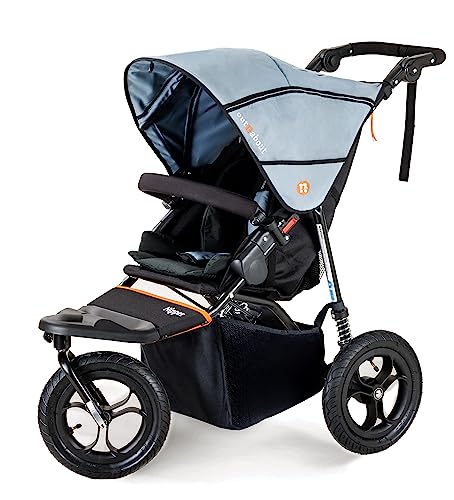
4. All-Terrain Pushchairs
- Created for diverse surfaces, such as parks or uneven pathways.
- Feature big wheels for much better maneuverability.
- Normally bulkier however outstanding for adventurous families.
5. Double Strollers
- Appropriate for families with twins or two kids of different ages.
- Can be side-by-side or tandem.
- Deals various configurations for convenience and benefit.
6. Jogging Strollers
- Created for active parents who desire to run or jog with their kid.
- Features larger wheels and a sturdy frame for stability during movement.
- Should be used with caution for safety.
Key Features to Consider
Selecting the right pushchair or pram includes understanding the vital features that will enhance the experience for both the parent and the kid. Here are some vital factors to consider:
1. Safety
- Harness System: Ensure that the pushchair or pram has a protected harness system-- ideally, a five-point harness for added safety.
- Braking System: Look for a reputable braking system that can be quickly activated by the moms and dad.
2. Convenience
- Cushioned Seat: A well-padded seat will guarantee that the baby is comfortable during trips.
- Reclining Feature: The ability to recline is necessary for more youthful babies who might need to lie flat.
3. Maneuverability
- Swivel Wheels: Swiveling front wheels can make it easier to browse crowded areas.
- Suspension: Good suspension help in keeping the trip smooth over different terrains.
4. Size and Weight
- Weight: A lightweight frame can make it easier for moms and dads to lift and bring.
- Foldability: Consider how simple it is to fold and save the pushchair or Pram uk.
5. Storage
- Basket Space: Ample storage below the seat can accommodate diaper bags and shopping.
- Extra Pockets: Look for designs with pockets for simple access to basics like keys and phone.
6. Longevity
- Weight Limit: Check the manufacturer's weight limit to make sure that the pushchair or pram will last as your child grows.
- Adaptability: Some models can adapt from a pram to a pushchair or accommodate a 2nd seat for siblings.
FAQ: Common Questions About Pushchairs and Prams
1. What is the distinction between a pushchair and a stroller?
A pushchair is usually a lightweight option for older infants and toddlers, while a stroller is a broader term that can include various styles, consisting of those for babies.
2. Can I utilize a pushchair for a newborn?
Normally, pushchairs are appropriate for babies aged 6 months and older. Nevertheless, some travel systems come with infant safety seat that can be attached for newborns.
3. How do I tidy my pushchair or pram?
Most pushchairs and prams come with detachable, machine-washable fabric covers. Regularly clean down the frame and wheels to keep it clean.
4. Exist any safety regulations I should look for?
Guarantee that the pushchair or pram satisfies safety standards set by your country. Try to find accreditations or labels from regulative bodies.
5. Just how much should I anticipate to invest in a quality pushchair or pram?
Prices can differ widely-- basic designs might begin around ₤ 100, while high-end designs can surpass ₤ 1,000. Consider your budget plan and preferred features.
Picking the best pushchair or pram is an essential task for new parents. While the options may seem frustrating, comprehending the differences and best Prams specific features will make it easier to select the best suitable for your household's way of life. Whether you prioritize portability, comfort, or safety, taking the time to pick carefully can boost your parenting journey. Keep in mind, investing in a quality pushchair or pram is purchasing benefit and comfort for both you and your youngster.