

The Rise of Electric Integrated Ovens and Hobs: A Comprehensive Guide
In the world of modern-day cooking areas, electric integrated ovens and hobs have become essential appliances, using effectiveness, design, and benefit. As culinary practices develop, so too do the technologies that make cooking easier and more pleasurable. This article looks into the features, advantages, setup considerations, and maintenance pointers for electric integrated ovens and hobs, while addressing common regularly asked questions.
What is an Electric Integrated Oven and Hob?
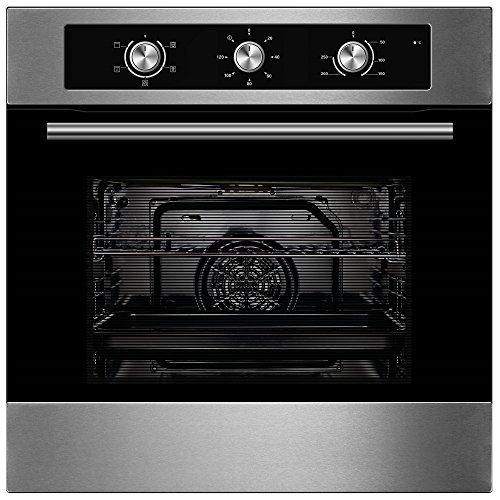
An electric integrated oven and hob is a combination cooking appliance that flawlessly fits into kitchen cabinets. Created to enhance area and aesthetic appeal, these appliances use the dual performance of an oven and a hob (cooktop) without compromising on performance.
Secret Features of Electric Integrated Ovens and Hobs
- Space-Saving Design: These appliances are built to fit neatly into kitchen units, making the most of available area.
- Touch Control Panels: Many models include touch-sensitive controls for easy operation and smooth look.
- Advanced Cooking Functions: Options like convection baking, grilling, and steaming cater to numerous cooking designs.
- Energy Efficiency: Electric integrated ovens generally offer much better thermal effectiveness compared to conventional gas designs.
- Security Features: Child locks, automatic shut-off, and heat signs improve safety throughout cooking.
Benefits of Electric Integrated Ovens and Hobs
The adoption of electric integrated kitchen ovens and hobs in families comes with numerous advantages that interest a wide variety of cooking enthusiasts, from novice cooks to expert chefs. Here are a few of the most considerable advantages:
1. Performance and Consistency
- Uniform Cooking: home cooking Electric ovens and hobs supply constant heat distribution, resulting in evenly prepared food.
- Reduced Cooking Times: Advanced technologies, such as induction heating, can significantly lower cooking times.
2. Easy to Clean
- Smooth Surfaces: The smooth surface areas of integrated styles remove food traps, making them simple to clean down.
- Self-Cleaning Options: Many modern-day ovens included self-cleaning features that simplify maintenance.
3. Aesthetics
- Modern Look: An integrated style supplies a unified appearance in the kitchen, making the space appear more contemporary and curated.
4. Flexibility
- Multi-Functionality: Cooking options built-in range oven from baking and barbecuing to frying and simmering, accommodating varied culinary requirements.
- Time-Saving: Can prepare multiple meals concurrently, enhancing meal preparation.
5. Cost-Effectiveness
- Lower Energy Bills: Electric appliances are generally more efficient, resulting in potential savings on energy expenses in time.
Setup Considerations
Incorporating electric ovens and hobs into your kitchen requires correct planning and factor to consider. Here are some essential elements to keep in mind:
- Space Measurement: Ensure that the dimensions of the home appliance align with the designated installation space.
- Electrical Requirements: Check for adequate electrical supply, including voltage and amperage to support the home appliance.
- Ventilation Needs: While electric appliances do not require gas ventilation, adequate space for air flow is still required.
- Cabinet Compatibility: Ensure cabinets can support the combined weight of the oven and hob.
- Expert Installation: Engaging with a qualified specialist is recommended for safe and certified setup.
Upkeep Tips for Electric Integrated Ovens and Hobs
Preserving an electric integrated oven and hob guarantees longevity and ideal performance. Here are some upkeep practices:
- Regular Cleaning: Wipe down surfaces frequently and guarantee spillages are cleaned up as quickly as possible.
- Inspect Seals: Ensure that door seals are undamaged to avoid heat loss, which can impact cooking effectiveness.
- Self-Cleaning Cycle: Utilize the self-cleaning function if available, a minimum of when every few months.
- Inspect Wiring and Cords: Check for damaged cables or connections to avoid electrical hazards.
- Arrange Professional Servicing: Regularly scheduled service can recognize problems before they end up being significant problems.
Regularly Asked Questions (FAQs)
1. Are electric ovens much better than gas ovens?
Electric ovens provide more constant heat and often have functions like convection cooking, which can enhance the cooking experience. Numerous users find them easier to clean and safer than gas ovens.
2. What is the distinction between induction and ceramic hobs?
Induction hobs use magnetic fields to heat pots and pans straight, while ceramic hobs utilize electric coils below a glass surface to warm the cooking surface area. Induction hobs are normally more energy-efficient and faster than ceramic alternatives.
3. Can I install an electric oven and hob myself?
While it is possible for knowledgeable DIY enthusiasts to install their appliances, professional installation is advised to guarantee compliance with safety requirements and local guidelines.
4. How do I understand if my oven is performing efficiently?
Screen cooking times and temperature settings. If food is consistently undercooked or overcooked, it may indicate that the oven requires recalibration or servicing.
5. How can I enhance the life expectancy of my electric oven and hob?
Routine cleansing, correct usage, and routine expert maintenance can considerably extend the life-span of these appliances. Preventing rapid temperature changes can also assist in keeping their integrity.

Electric integrated ovens and hobs represent the development of cooking appliances, weding functionality with contemporary style. Their effectiveness, ease of usage, and visual appeal make them an excellent choice for contemporary kitchens. As cooking innovation continues to advance, both home cooks and culinary specialists can anticipate even higher innovations in the realm of electric integrated cooking options.
With the ideal maintenance and installation practices, these appliances can boost both the cooking experience and the total performance of the kitchen area.












