

Understanding UPVC Soffits: A Comprehensive Guide
UPVC soffits have actually emerged as a popular option for homeowners and builders alike due to their sturdiness, low maintenance, and visual appeal. As an integral part of a building's roof, soffits serve both practical and ornamental purposes. This post aims to explore the different aspects of UPVC soffits, including their advantages, installation, maintenance, and comparison with traditional products.
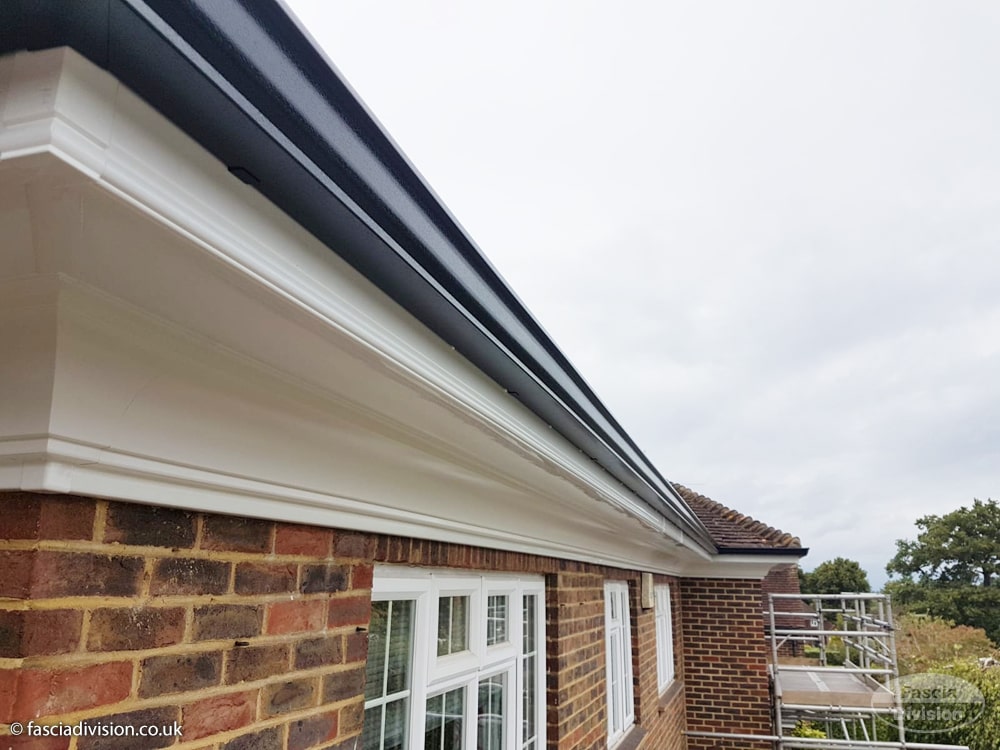
What is a Soffit?
A soffit is the underside of an architectural feature, typically discovered below the eaves of a roofing system. While generally made from wood or aluminum, UPVC (Unplasticized Polyvinyl Chloride) has actually become a preferred product due to its fundamental benefits. UPVC soffits are created to enable ventilation for the roofing system while providing a finished aim to the structure.
Table 1: Comparison of Soffit Materials
| Product | Advantages | Downsides |
|---|---|---|
| UPVC | - Low maintenance | - Limited color alternatives |
| - Weather resistant | - Can fade gradually | |
| - Durable and lasting | ||
| - Easy to set up | ||
| Wood | - Natural aesthetic | - Requires regular maintenance |
| - Easily paintable | - Prone to rot, warping, and insects | |
| Aluminum | - Rust-resistant | - Can dent quickly |
| - Lightweight | - More pricey than UPVC |
Advantages of UPVC Soffits
UPVC soffits provide various advantages, making them an exceptional choice for modern building. Here are a few of the essential advantages:
1. Sturdiness
UPVC is understood for its sturdiness and resistance to ecological elements. Unlike wood, UPVC does not rot or warp, making it a long-lasting option for soffits.
2. Low Maintenance
One of the most considerable benefits of UPVC soffits is their low maintenance requirements. They do not require painting Fascia And Soffit Experts can be quickly cleaned up with soap and water.
3. Visual Appeal
With different styles, colors, and ends up available, UPVC soffits can boost the overall appearance of a building. They can match various architectural styles, providing a sleek appearance.
4. Energy Efficiency
UPVC soffits can contribute to enhanced energy effectiveness. They help preserve consistent temperature levels in the attic by promoting appropriate ventilation, decreasing cooling and heating expenses.
5. Price
Compared to conventional products like wood and aluminum, UPVC soffits are often more economical, making them accessible for numerous tasks.
Installation Process
Setting up UPVC soffits can be a DIY job for homeowners with some construction experience. However, working with a professional is advised to make sure correct installation. Here's a detailed guide for those wanting to carry out the installation themselves:
Tools Required
- Measuring tape
- Level
- Utility knife
- Hammer
- Screws
- UPVC soffit boards
- Replacement Soffit Boards vents (if required)
Steps for Installation
Step the Area: Start by measuring the length and width of the location where the soffits will be installed to determine the number of boards are needed.
Cut the Boards: Using an utility knife, carefully cut the UPVC soffit boards to the determined lengths.
Set Up Supporting Battens: Install Wooden Fascias or UPVC battens along the eaves, guaranteeing they are level to offer correct support for the soffits.
Fit the Soffit Boards: Begin fitting the soffit boards into place, securing them with screws. Make sure the boards are flush with the edge of the battens.
Add Ventilation: If needed, install soffit vents to ensure proper air flow in the attic area. These can be integrated into the soffit boards during installation.
Last Checks: After installation, look for any gaps or misalignments and make needed adjustments.
Maintenance Tips
While UPVC soffits are low maintenance, guaranteeing their durability requires some fundamental care:
Regular Cleaning: Clean the soffits a minimum of once a year to remove dirt, grime, and any accumulation. Utilize a mix of soap and water for efficient cleaning.
Check for Damage: Periodically check for any indications of damage or wear, particularly after severe weather occasions. Dealing with problems early can prevent more significant problems later on.
Check Ventilation: Ensure that any set up ventilation is not blocked by debris to keep optimum air flow.
Regularly Asked Questions (FAQ)
1. How long do UPVC soffits last?
UPVC soffits can last for 20 to 30 years or more, depending on the installation quality and ecological conditions.
2. Can UPVC soffits be painted?
While UPVC soffits do not need painting, they can be painted if wanted. Nevertheless, it's important to utilize an appropriate top quality paint developed for plastic.
3. Do UPVC soffits require ventilation?
Yes, correct ventilation is vital to avoid moisture accumulation in the attic. Setting up soffit vents can help preserve airflow.
4. Are UPVC soffits eco-friendly?
UPVC is recyclable, and its long life expectancy minimizes the requirement for regular replacements, making it a more sustainable choice compared to some conventional products.
5. What colors are readily available for UPVC soffits?
UPVC soffits come in different colors and finishes, including white, black, and wood grain impacts, allowing homeowners to select a style that complements their home.
UPVC soffits are an outstanding option for modern-day homes and buildings, offering a blend of resilience, low maintenance, and aesthetic appeal. They not only improve the visual beauty of a property but likewise contribute to energy performance and structural integrity. With appropriate installation and periodic care, UPVC soffits can serve property owners well for decades. Whether you're a property owner thinking about a remodelling or a contractor seeking trustworthy materials, UPVC soffits are a worthy investment in your residential or commercial property.












