

Understanding Cots: A Comprehensive Guide
When it comes to furnishing a nursery or toddler's space, one of the most necessary pieces of furnishings is the cot. Likewise understood as a Baby Cot crib in some regions, a cot offers a safe sleeping space for infants and kids. This post will delve into the various aspects of cots, including types, safety standards, acquiring suggestions, and maintenance guidelines. We aim to gear up parents and caretakers with the knowledge they require to make educated decisions.
The Importance of Choosing the Right Cot
Selecting the best infant cribs cot is important for a child's development and safety. A well-designed cot not only guarantees a comfortable sleeping environment however also contributes to a child's general well-being. While there are many alternatives available, comprehending their functions and safety requirements is essential to making the best option.
Kinds of Cots
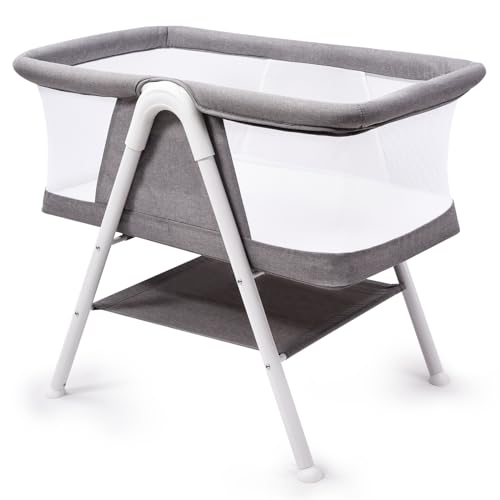
Cots come in different types, each serving various needs. Below is a relative table of the most recommended cribs common kinds of cots:
| Type of Cot | Description | Pros | Cons |
|---|---|---|---|
| Standard Cot | A conventional cot developed for infants and young children. | Tough, offered in various designs. | Can be large and might take up area. |
| Convertible Cot | A cot that can transition from a crib to a young child bed and even a full-size bed. | Long-term usage, affordable. | Higher preliminary investment. |
| Travel cot sets | A portable and light-weight cot created for travel. | Easy to establish, fantastic for on-the-go households. | Might have less toughness compared to standard cots. |
| Co-Sleeper Cot | Connects to the moms and dad's bed for simple access during nighttime feedings. | Assists in bonding and nighttime monitoring. | May have a higher risk if not securely attached. |
| Mini Cot | A smaller sized variation of a basic cot ideal for smaller areas. | Space-saving, perfect for houses. | Limited lifespan due to size. |
Selecting the Right Cot
Key Features to Consider
When picking a cot, it is necessary to search for specific functions that boost security and functionality:
- Safety Standards: Ensure the cot satisfies security standards set by companies like the American Academy of Pediatrics (AAP) or your nation's comparable regulatory bodies.
- Product Quality: Look for long lasting products, ideally non-toxic wood, free from hazardous chemicals and finishes.
- Adjustable Mattress Heights: Cots with adjustable mattress heights accommodate growing children and make it much easier for parents to reach their baby.
- Solid Construction: The cot needs to be steady and strong without any sharp edges or protrusions.
- Bed mattress Fit: Choose a bed mattress that fits snugly with no spaces to avoid entrapment.
Security Guidelines for Cots
Security is a vital concern for any infant's sleeping environment. The following standards can help keep a safe crib:
- Avoid Bumpers: The use of crib bumpers has actually been linked to suffocation risks; it's best to use fitted sheets only.
- Look for Recalls: Regularly examine if the cot has actually been remembered due to security concerns.
- Routine Inspections: Routinely examine the cot for any loose screws or slats.
- Limitation Accessories: Keep soft toys, pillows, and blankets out of the cot to prevent suffocation.
- Age-Appropriate Use: Transition your kid out of a cot when they can climb up out on their own.
Maintenance Tips for Cots
Correct upkeep extends the life-span of a cot. Here are some helpful pointers:
- Regular Cleaning: Wipe down the cot with a wet cloth utilizing mild soap to prevent the accumulation of dust and irritants.
- Check Mattress Condition: Ensure the mattress remains firm and does not droop over time. Change it if essential.
- Prevent Harsh Chemicals: Use only non-toxic cleansing representatives to prevent hazardous chemical exposure.
- Store Properly: If not in usage, disassemble the cot and store it in a dry and cool place to prevent damage.
Regularly Asked Questions (FAQ)
1. What age is suitable for transitioning from a cot to a bed?
The majority of children transition from a cot to a bed in between 2 to 3 years old, but this can differ based upon private advancement.
2. How typically should I replace the cot mattress?
It is recommended to replace the mattress every 5 to 10 years, or faster if it shows indications of wear or if your child has allergies.
3. Are pre-owned cots safe?
Not all pre-owned cots are safe. It is essential to look for any safety remembers, ensure it meets existing security requirements, and inspect it for structural stability.
4. Can I utilize a basic bed mattress in a cot?
No, it is necessary to use a bed mattress specifically designed for the cot to ensure a correct fit and safety.
5. How can I guarantee the cot is safe?
Constantly follow security guidelines, check for compliance with regulations, and routinely examine the cot for flaws.
Picking the ideal cot is a vital part of preparing for a brand-new baby. Parents must think about various elements, consisting of type, safety functions, and upkeep to develop a safe and secure sleeping environment. With the details provided in this guide, caregivers can with confidence pick a cot that not just satisfies their needs but likewise makes sure the safety and convenience of their child. Eventually, the ideal cot can contribute considerably to a kid's healthy advancement and tranquil sleep.












