

The Ultimate Guide to Choosing the Perfect Baby Cot
When it pertains to preparing for a brand-new baby, few purchases are as important as a baby cot. This vital piece of furnishings will act as a safe house for your youngster during their formative years, supplying convenience and security as they sleep. In this post, we will check out the vital aspects of choosing a baby cot, review popular alternatives, and answer often asked questions surrounding this important decision.
Understanding the Importance of a Good Baby Cot
A baby cot isn't simply a bed; it plays an essential role in ensuring your kid's safety, convenience, and wellness. A good baby cot can:
- Help decrease the threat of Sudden Infant Death Syndrome (SIDS) with functions that promote safe sleep.
- Provide a comfortable sleeping environment favorable to a baby's healthy development.
- Stand the test of time, with some convertible styles that evolve as your kid grows.
Kinds Of Baby Cots
When it pertains to baby cots to tots, there are several options available. Below is a table summarizing the most common types:
| Type of Baby Cot | Description | Pros | Cons |
|---|---|---|---|
| Requirement Cot | A traditional cot with fixed sides. | Sturdy; typically lasts 2-3 years. | Can use up a lot of area. |
| Convertible Cot | A cot that can transform into a young child bed or daybed. | Long-lasting use; cost-effective. | Preliminary cost can be higher. |
| Travel Cot | A light-weight, collapsible cot ideal for travel. | Portable; simple to set up. | Might not be as long lasting as standard cots and tots. |
| Co-Sleeper | A cot that connects to the moms and dads' bed for easy access. | Promotes bonding; hassle-free. | Limited usage as the baby grows. |
| Moses Basket | A little, portable basket for newborns. | Relaxing; ideal for babies. | Not ideal for older children. |
| Cradle | A little, rocking bed for infants. | Mild rocking movement; relaxing. | Limited weight capability. |
Factors to consider When Choosing a Baby Cot
When selecting a baby cot, it's vital to consider different elements to make the very best baby cots choice for your family:
Safety Standards: Ensure the cot meets all existing safety regulations. Look for cots certified by recognized safety organizations.
Material: Choose a cot made from premium, non-toxic materials. Solid wood is typically chosen for its sturdiness and security.
Size: Evaluate the readily available space in your house. Standard cots can be large, so determine your space beforehand.
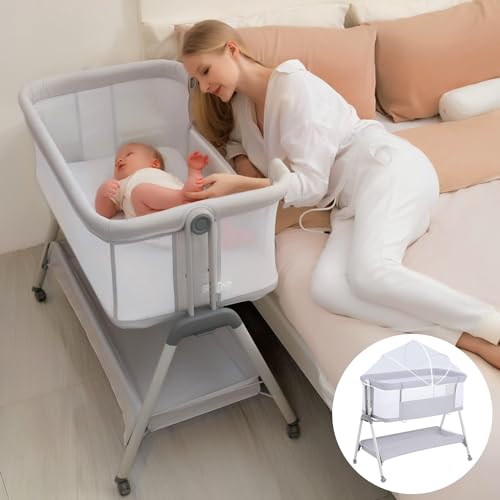
Adjustable Mattress Heights: Opt for a cot with adjustable bed mattress heights to make it much easier to lay your baby down and to adapt as they grow.
Reduce of Assembly: Check for clear directions and guarantee it is simple to assemble and take apart, especially if you pick a travel cot.
Budget plan: Determine your spending plan. Baby cots vary from economical options to high-end designs; balance quality and cost to discover the right fit.
Key Features to Look For
Here are some crucial features parents ought to think about when acquiring a baby cot:
Slatted Sides: Ensure the slats are spaced no greater than 2.5 inches apart to avoid entrapment.
Sturdy Construction: A strong frame is vital for Cribs Beds safety. Shake the cot when assembled to look for stability.
Easy to Clean: Fabrics, mattresses, and surface areas ought to be simple to tidy and preserve health.
Fixed Sides: Fixed sides are typically safer than drop-side cots, which have been banned in numerous nations due to safety concerns.
Mattress Fit: The bed mattress must fit comfortably within the cot frame with no spaces to avoid suffocation.
Maintenance and Care
Proper maintenance of the baby cot ensures its longevity and safety. Here are some tips:
Regular Inspections: Check the cot for loose screws, fractures, or use and tear regularly. Tighten any bolts as needed.
Cleaning: Wipe it down with a moist cloth and moderate soap. Avoid extreme chemicals that could be damaging to your baby.
Mattress Care: Use a water resistant cover to protect the bed mattress from spills and mishaps. Replace the bed mattress if it becomes worn.
Frequently asked questions
1. What is the best age to transition from a cot to a young child bed?
The majority of children transition to a young child bed in between the ages of 2 and 3 years, but this can vary based on the kid's size, behavior, and preparedness.
2. Can I use a second-hand cot?
Yes, however make sure that it meets present security requirements. Look for recalls and check it thoroughly for damage.
3. How do I understand if my baby is safe in their cot?
Display your baby's sleeping position and ensure they are on their back. Use a company bed mattress and prevent putting toys or blankets in the cot that might posture a suffocation threat.
4. What are convertible cots?
Convertible cots are flexible sleeping services that can change into different bed types as your child grows, extending their usage from infancy to childhood.
5. How do I choose the best mattress for my baby cot?
Choose a firm, breathable mattress that fits snugly in the cot. Avoid soft bed linen, pillows, or toys in the crib with the baby.
Choosing the right baby cot is a considerable choice that affects your child's safety and comfort. By understanding the various types of cots readily available, purchasing quality products, and keeping safety functions in mind, moms and dads can produce a protected sleeping environment for their little ones. Whether it's a standard cot, a convertible option, or a travel cot, making sure a high requirement of security and convenience will help cultivate a healthy sleep routine for years to come.












