

Understanding Gutter Downpipes: An Essential Guide for Homeowners
When it pertains to preserving a home, numerous property owners tend to overlook an important component: the gutter system. Among this system, downpipes serve a vital function in directing rainwater from the gutters to the drainage system or the ground. In this comprehensive guide, we will cover everything there is to learn about gutter downpipes-- from their function and installation to maintenance and common FAQs.
What are Gutter Downpipes?
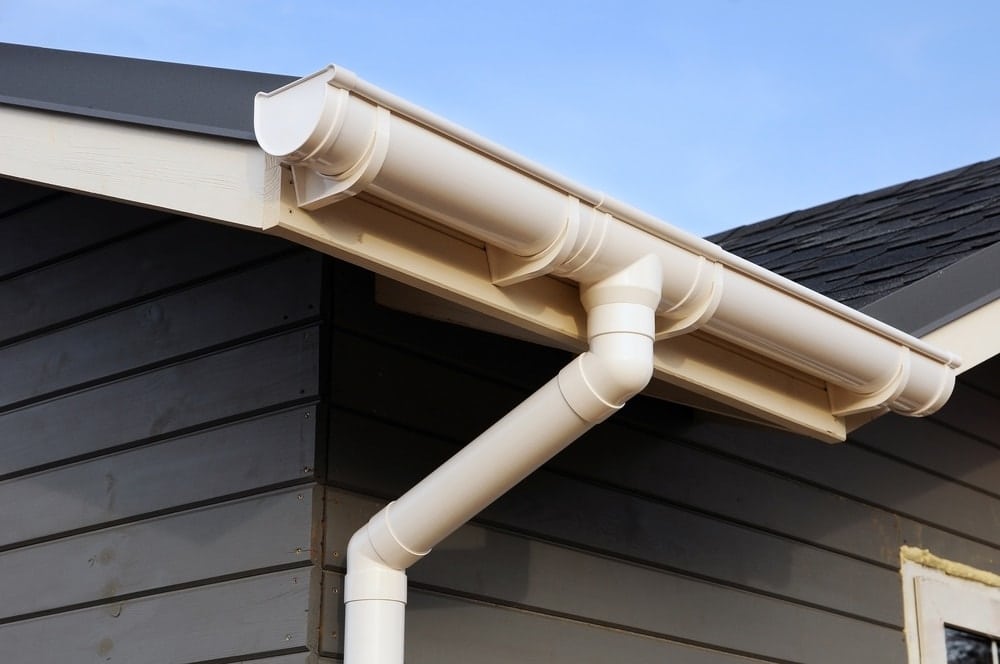
Gutter downpipes, likewise referred to as rainwater pipes, are vertical pipes that connect the horizontal gutters on a roof to the drainage system. They play a significant role in directing water far from the structure of the building, therefore preventing water damage and structural issues.
Importance of Gutter Downpipes
- Water Management: The main function of downpipes is to effectively handle rainwater overflow from the roof, avoiding pooling around the property.
- Structural Protection: By directing water away from the foundation, downpipes help secure the home from prospective water damage, including disintegration, mold development, and structure issues.
- Aesthetic Appeal: A properly designed gutter and downpipe system can boost the overall appearance of a home. Various styles and materials are available to align with the property's architecture.
Kinds Of Gutter Downpipes
Gutter downpipes come in various products and designs. Below is a table summing up the most common types:
| Type | Product | Pros | Cons |
|---|---|---|---|
| PVC Downpipes | PVC (Plastic) | Lightweight, affordable, corrosion-resistant | Restricted life-span, can become breakable |
| Aluminum | Aluminum | Rust-resistant, lightweight | Can be dented, requires regular maintenance |
| Steel | Galvanized Steel | Exceptionally long lasting, strong | Prone to rust if not painted/coated |
| Copper | Copper | Extremely long lasting, natural antimicrobial | Costly, may require soldering abilities |
| Cast Iron | Cast Iron | Traditional look, really robust | Heavy, pricey, requires expert installation |
How to Choose the Right Downpipe
Choosing the right downpipe needs factor to consider of a number of elements, consisting of:
Material: Choose a material that fits both your budget plan and aesthetic requirements. For traditional homes, cast iron or copper may be chosen, while modern-day homes may benefit from PVC or aluminum.
Size: Downpipes can be found in different sizes, generally ranging from 75mm to 100mm in size. The size you pick should depend on the size of your gutters and the pitch of your roof.
Slope: Ensure that the downpipes are set up with a suitable slope to promote effective water flow. A slope of 1:40 (1 vertical system for every single 40 horizontal units) is normally suggested.
Environment Consideration: Factors such as heavy rainfall or snowfall can influence your option of downpipe, especially with regards to the material and size.
Installation of Gutter Downpipes
Setting up Gutter Guards Installation downpipes is usually a simple process, but it needs careful planning and execution. Let's simplify into crucial steps:
Materials Gathering: Collect all the required products, consisting of downpipes, fittings, brackets, and sealants.
Measurements: Measure the range from the gutters to the drainage system and cut the downpipes appropriately.
Bracket Guttering Installation: Secure brackets to the wall at regular intervals (usually every 1 meter).
Downpipe Attachment: Attach the downpipe to the gutter outlet and secure it to the brackets using screws.
Connect to Drainage: Ensure that the bottom of the downpipe is connected to the drainage system, either through a gully or direct piping.
Maintenance Tips
Routine maintenance is crucial for ensuring the durability and effectiveness of Gutter Downpipes (Code.Antopie.Org). Here's a checklist for property owners:
- Clear Blockages: Inspect downpipes for obstructions, like leaves or debris, at least two times a year.
- Examine for Damage: Regularly inspect for dents, rust, or rust, specifically in metal downpipes.
- Sealants and Joints: Look for gaps or damaged joints and use sealants as necessary.
- Check the Drainage System: Ensure that the drainage system is working properly and not clogging.
Often Asked Questions (FAQs)
1. How frequently should gutter downpipes be cleaned?It is suggested to clean your downpipes a minimum of twice a year, especially before the rainy season. 2. What indications suggest an issue with
my downpipes?Look for signs like water pooling around the structure, rusted or damaged downpipes, or overflowing gutters. 3. Can I install downpipes myself?Yes, if you have experience with DIY home improvements, you can install downpipes yourself. However, for complicated tasks or installation in high locations, it's a good idea to employ a professional. 4. What is the average lifespan of gutter downpipes?The life expectancy varies by product: PVC can last around 20-30 years, while metal downpipes might last longer with appropriate maintenance. 5. Are there guidelines for
downpipe installation?Yes, there may be Local Guttering structure guidelines regarding the installation and maintenance of downpipes. It's vital to contact local authorities. Gutter downpipes might appear irrelevant, however they play an important role in safeguarding a home from water damage and guaranteeing a healthy living environment. By comprehending the types, installation approaches, and maintenance requirements, property owners can take proactive actions to secure their financial investments. So the next time you hear the patter of rain, rest assured your downpipe system is working hard to keep your home safe and dry.












