

A Comprehensive Guide to Soffit Replacement
Soffits act as an important part of a home's architecture, bridging the space between the exterior wall of your home and the eaves that predict from the roofing system. While they often go undetected, soffits play a vital role in securing the home from wetness damage and bugs, in addition to adding to its total visual appeal. In time, soffits might experience rot, damage, or basic wear and tear, necessitating a replacement. This article will explore the complexities of soffit replacement, covering everything from materials and costs to advantages and common FAQs.
Comprehending Soffits
Before diving into the replacement procedure, it's crucial to comprehend what soffits are and their purpose. Soffits are the underside of the eaves, and they can be made from numerous materials, including wood, vinyl, and aluminum. They are available in different designs, colors, and completes to match your home's style.
Table 1: Common Soffit Materials
| Product | Pros | Cons |
|---|---|---|
| Wood | Natural appearance, personalized | Prone to rot and pests |
| Vinyl | Low maintenance, rot-resistant | Limited color options |
| Aluminum | Resilient, resistant to rust | Can damage quickly |
| Fiber-Cement | Very durable, fireproof | Heavier, might need professional installation |
Why Replace Soffits?
Soffit replacement may be essential for numerous reasons:
- Damage: Wood soffits can rot gradually due to moisture exposure, while vinyl can split or fade.
- Insect Infestation: Damaged or deteriorating soffits can allow pests to get in the home.
- Aesthetic Upgrade: Homeowners might wish to upgrade the appearance of their home with modern products or colors.
- Appropriate Ventilation: Damaged soffits can disrupt airflow in the attic, resulting in greater energy expenses or ice dams in winter.
The Replacement Process
Replacing soffits is a manageable task for both DIY lovers and specialists. Here's a general detailed guide for those considering a DIY technique:
Step 1: Gather Tools and Materials
Before beginning, it's crucial to collect all necessary tools and products. Here's a list of what you will require:
- Replacement Soffit Board Replacement material
- Measurement tape
- Circular saw or hand saw
- Hammer and nails or a nail weapon
- Security goggles and gloves
- Ladder
- Caulk and caulking gun
- Determining square
Action 2: Measure the Area
Accurate measurements are vital for making sure that the replacement pieces fit properly. Measure the length and width of the area where the Soffit And Cladding will be set up.
Action 3: Remove the Old Soffit
Thoroughly utilize a lever or screwdriver to eliminate the existing Soffit And Fascia Repair. Take care not to harm the fascia or roofline. Dispose of the old product properly.
Step 4: Install the New Soffit
Cut the brand-new soffit product to size and install it using nails or a nail gun. Make sure to follow maker guidelines, particularly concerning ventilation slots if utilizing vinyl.
Step 5: Finishing Touches
Use caulk to seal any gaps where the Soffit Board Repair meets the wall or fascia for an ended up appearance and added defense versus wetness.
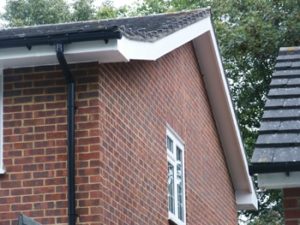
Table 2: Estimated Costs of Soffit Replacement
| Product Type | Cost (per linear foot) | Installation Cost (average) |
|---|---|---|
| Wood | ₤ 3 - ₤ 6 | ₤ 1 - ₤ 2 per foot |
| Vinyl | ₤ 2 - ₤ 5 | ₤ 1 - ₤ 1.50 per foot |
| Aluminum | ₤ 3 - ₤ 8 | ₤ 1.50 - ₤ 3 per foot |
| Fiber-Cement | ₤ 5 - ₤ 12 | ₤ 2 - ₤ 4 per foot |
Advantages of Soffit Replacement
Replacing soffits can cause a number of benefits for house owners, consisting of:
- Enhanced Curb Appeal: New soffits can make a home look fresh and well-kept.
- Increased Home Value: A clean exterior can add worth to the home, making it more attractive to prospective buyers.
- Improved Ventilation: Properly set up soffits can improve attic ventilation, which might improve energy performance.
- Pest Prevention: New soffits help seal off entry points that pests might utilize, resulting in a more safe home.
Frequently Asked Questions about Soffit Replacement
Q1: How frequently ought to soffits be replaced?A1: Soffits normally last 20-30 years, depending upon the product and ecological conditions. Regular assessments can help determine the requirement for replacement. Q2: Can I replace soffits myself?A2: Yes, with the right tools and preventative measures, many homeowners can replace soffits themselves. Nevertheless, employing a professional is advisable if you're not confident in your skills. Q3: What are the indications that I require to change my soffits?A3: Look for water discolorations, peeling paint, noticeable damage, or indications of insect problem in your soffits. Q4: Will changing soffits impact my home's warranty?A4: Always check with your home warranty service provider. Professional replacement must not affect warranty protection, however DIY work may. Q5: What is the best product for soffits?A5: It depends upon your priorities. Vinyl is low-maintenance, aluminum is durable, and wood provides visual appeal however needs more maintenance. Soffit replacement is an important aspect of home maintenance that need to not be neglected. Whether performing it yourself or hiring a professional, guaranteeing that your soffits remain in excellent condition can lead to various benefits, including enhanced home visual appeals, better ventilation, and security against bugs and wetness. By understanding the products offered, the Gutter Replacement procedure, and the benefits involved, house owners can make informed choices that boost the longevity and worth of their homes.












