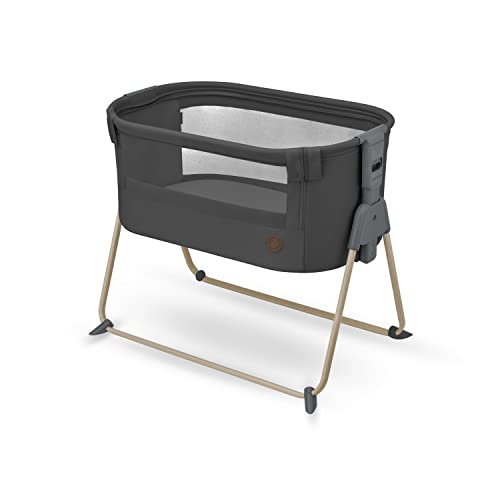
Cots to Tots: A Comprehensive Guide to Child Development and Parenting Essentials
Parenting is a fulfilling journey filled with turning points, obstacles, and numerous memories. One of the first considerable stages in a child's life occurs during the transition from cot bed sales to young child bed, frequently referred to as "cots to tots." This phase represents not just a physical change but also a pivotal advancement period where parents need to browse various requirements and adjust to their growing child's character. In this post, we will check out vital elements of this shift, consisting of sleep patterns, safety considerations, and practical tips for making this modification smooth.
Comprehending the Transition: Cot to Toddler Bed
The transition from a cot to a young child bed normally takes place between the ages of 18 months and 3 years. Elements influencing this transition can include the child's growth, the need for more area, or the arrival of a brand-new sibling. Below is a breakdown of the key elements that result in this shift.
Table 1: Factors Influencing Cot to Toddler Bed Transition
| Aspect | Description |
|---|---|
| Age | The majority of kids shift between 18 months and 3 years. |
| Development | Kids might outgrow their cot and require more room. |
| New Sibling | The arrival of a brand-new baby typically demands a bed modification. |
| Climbing up Out | If a kid often climbs out of the Mini Cot Bed, it might be time. |
| Potty Training | Beginning potty training can signal preparedness for a bed. |
The Importance of Safety
As kids shift to toddler beds, safety ends up being a vital issue. Moms and dads should think about numerous elements to guarantee a safe sleep environment. Here are some important precaution to carry out:
List 1: Safety Tips for Transitioning to a Toddler Bed
- Secure the Bed: Ensure that the bed is low to the ground to lessen threats of falls.
- Utilize a Bed Rail: Consider buying bed rails to avoid the child from rolling out of bed during sleep.
- Clear the Surroundings: Remove any objects or furniture near the bed that might pose a threat if the kid were to fall.
- Non-Toxic Materials: Choose a bed made from non-toxic materials and finishes to guarantee a safe sleeping environment.
- Non-Slip Mattress: Use a non-slip mattress pad to keep the mattress strongly in location.
Sleep Patterns and Routines
Sleep patterns inevitably change as children grow. During the shift from cot to young child bed, establishing a constant sleep routine ends up being crucial.
Table 2: Typical Sleep Patterns at Different Ages
| Age Range | Sleep Needs | Bottom line |
|---|---|---|
| 1-2 years | 12-14 hours (including naps) | Consistent nap times; may drop a nap. |
| 2-3 years | 11-13 hours (including naps) | May need a constant bedtime routine. |
| 3-5 years | 10-12 hours | Active creativity can result in night worries. |
Creating a Sleep Routine
Developing a calming bedtime regimen can considerably enhance your kid's sleep quality. Consider the following suggestions:
- Set a Regular Schedule: Aim for the very same bedtime and wake-up time every day to assist regulate your kid's internal clock.
- Unwind: Incorporate calming activities like reading or cuddling before sleep.
- Limit Screen Time: Reduce screen exposure at least an hour before bedtime to promote much better sleep hygiene.
Choosing the Right Toddler Bed
Picking the Best crib newborn toddler bed is necessary for both comfort and security. Here are factors to think about:
List 2: Features to Look for in a Toddler Bed
- Safety Standards: Ensure that the bed satisfies security requirements set by appropriate authorities.
- Size: Choose a bed that fits your available space while supplying adequate space for your growing kid.
- Strong Construction: Look for long lasting products that can hold up against the wear and tear of active young children.
- Design: Consider styles that can grow with your kid, such as convertible beds.
- Relieve of Access: Ensure the bed is simple for your child to get in and out of separately.
Typical Challenges and Solutions
Transitioning from a cot beds for sale to a young child bed can come with challenges, such as trouble sleeping through the night or attempting to leave the confines of their brand-new bed. Here are some common problems and prospective solutions.
Table 3: Common Challenges and Solutions
| Challenge | Option |
|---|---|
| Evening Fears | Use night lights and assure them with convenience products. |
| Rising | Utilize a benefit system for remaining in bed. |
| Problem Sleeping | Produce a relaxing bedtime environment. |
| Changes in Sleep Quality | Adhere to the bedtime routine even if it's hard. |
Frequently Asked Questions (FAQ)
1. When is the right time to shift from a cot to a young child bed?
The correct time differs, however typically, children transition in between 18 months and 3 years. Consider individual aspects such as development, security issues, best crib newborn and the child's preparedness.
2. How can I help my kid adapt to the new bed?
Establish a consistent bedtime regimen, include your kid in choosing the bed, and develop a comfortable sleep environment with familiar items.
3. What should I do if my kid keeps rising?
Usage methods like rewards for remaining in bed, carefully assisting them back when they get out, and ensuring they are comfortable and safe in their new space.
4. Are young child beds necessary, or can my child use a regular bed?
Toddler beds are lower to the ground and safer for kids, but if a routine bed is utilized, guarantee it has safety rails or is low enough to prevent falls.
5. How can I guarantee my kid sleeps through the night?
Preserve a consistent bedtime, produce a relaxing sleep environment, and resolve any nighttime worries or anxieties they may have.
The journey from cot to young child bed is a considerable turning point in early childhood advancement. By recognizing the value of safety, Cheap cot bed establishing healthy sleep routines, and carefully picking the ideal bed, moms and dads can navigate this shift efficiently. Being informed and prepared will not only relieve this pivotal change but will likewise cultivate a nurturing environment that supports the child's growth and development during these formative years. Welcoming the "cots to tots" phase can be a gratifying experience that prepares for a lot more turning points to come.