

The Comprehensive Guide to Window Refurbishment: Reviving Your Home's Charm and Efficiency
Windows are more than simple openings in a wall; they are the eyes of a home, providing a glimpse into the world outside while allowing light to flood in. In time, nevertheless, even the most gorgeous windows can show signs of wear and tear. This is where window refurbishment comes into play. Whether it's for aesthetic appeal, energy effectiveness, or the preservation of a home's historic stability, refurbishing windows is a clever and sustainable alternative for homeowners.
What is Window Refurbishment?
Window refurbishment is the process of restoring existing windows to improve their performance, appearance, and energy effectiveness. Unlike replacement, Window Scratch Removal which includes removing the old windows and installing brand-new ones, refurbishment concentrates on repairing and revitalizing the initial windows. This technique can include a comprehensive cleansing, repairing broken parts, changing glass panes, and using weatherproofing steps.
Advantages of Window Refurbishment
The advantages of window refurbishment extend beyond mere aesthetics. Below are some crucial benefits:
| Benefits | Information |
|---|---|
| Cost-Effective | Reconditioning windows is typically cheaper than complete replacement. |
| Maintains Character | Keeps the original architectural design of the home. |
| Energy Efficiency | Enhances insulation to reduce cooling and heating costs. |
| Environmental Impact | Decreases waste by utilizing existing materials. |
| Increased Home Value | Enhances the Residential Window Repair or commercial property's curb appeal and general value. |
The Window Refurbishment Process
An effective window refurbishment involves a number of key actions, each focused on enhancing the windows' efficiency and life expectancy:

1. Inspection
At first, the windows need to be completely inspected. This includes monitoring for signs of damage, rot, or decay, and evaluating the condition of the frames, sills, and glass.
2. Cleaning
When examined, the windows need to be cleaned to eliminate dirt, gunk, and old paint. This can often reveal underlying issues that require attention.
3. Fixing
After cleaning, repairs can commence. Typical repairs consist of:
- Replacing broken glass: Cracked or shattered panes must be changed to guarantee security and insulation.
- Repairing frames: Wooden frames may need to be removed of rot and enhanced.
- Repairing sills and casements: Damaged sills need to be fixed to avoid future decay.
4. Weatherproofing
This action is crucial for boosting energy effectiveness. Weather condition removing and caulking can be applied to get rid of any drafts and improve insulation.
5. Painting and Finishing
Finally, the refurbished windows can be painted or stained to restore their original appeal or to fit a wanted visual. Top quality paint can likewise offer extra protection versus the components.
6. Maintenance Plan
To extend the life of the refurbished windows, establishing a maintenance plan is recommended. Regular inspections, cleansing, and minor repairs can make sure that the windows remain in optimal condition.
Cost Considerations
The cost of window refurbishment can vary commonly based upon several elements, such as the number of windows being refurbished, the level of repairs required, and materials used. Below is a general breakdown of estimated costs:
| Service | Estimated Cost per Window |
|---|---|
| Basic Cleaning | ₤ 50 - ₤ 100 |
| Glass Replacement | ₤ 100 - ₤ 200 |
| Frame Repair | ₤ 150 - ₤ 300 |
| Weatherproofing | ₤ 75 - ₤ 150 |
| Painting or Staining | ₤ 100 - ₤ 200 |
Frequently Asked Questions (FAQs)
1. How long does window refurbishment take?
The timeframe for window refurbishment can differ based on the number of windows and the level of repairs required. Typically, it can take anywhere from a few days to a number of weeks.
2. Is window refurbishment appropriate for all kinds of windows?
A lot of Top-Rated Window Repair types can be reconditioned, consisting of wooden, aluminum, and PVC windows. Nevertheless, the condition of the material will figure out the feasibility of refurbishment.
3. Can I do the refurbishment myself?
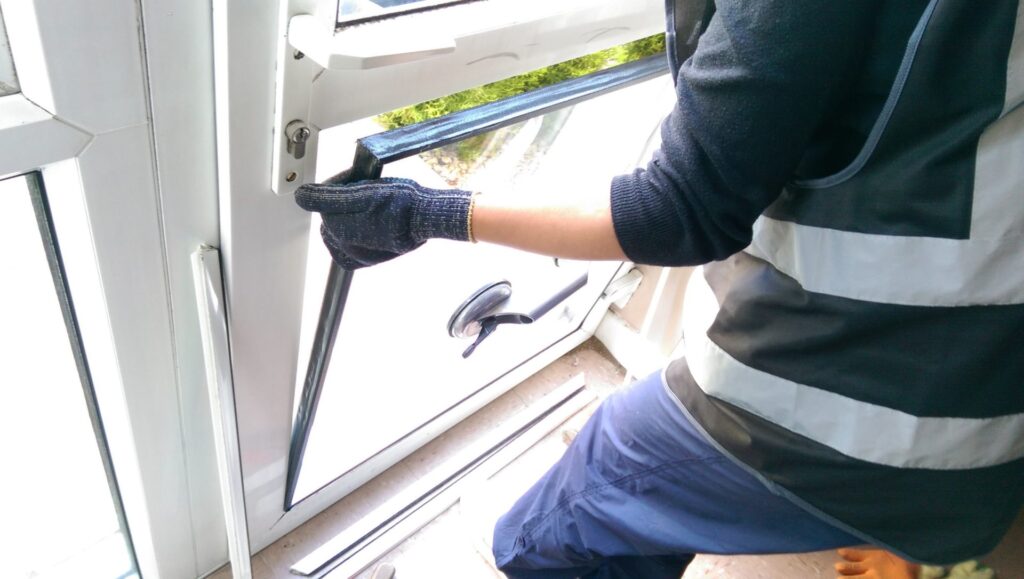
While some aspects of window refurbishment, such as cleaning and painting, can be DIY jobs, it is frequently smart to seek advice from a professional for more complex repairs, especially those involving structural problems or glass replacement.
4. Will reconditioned windows enhance energy performance?
Yes, refurbished windows can considerably improve energy effectiveness, specifically when weatherproofing measures are used. This can result in decreased energy bills with time.
5. How often should I recondition my windows?
The frequency of refurbishment depends on the material and environmental elements. However, a basic general rule is to check windows every 5-7 years for signs of wear and tear.
Window refurbishment is an effective way to invigorate your home while maintaining its character and appeal. By choosing refurbishment rather than replacement, property owners not just save money however also contribute to minimizing waste and promoting sustainability. With mindful examination, experienced repairs, and routine maintenance, your windows can continue to act as beautiful and practical components of your home for years to come.
Investing in your windows is, in essence, investing in your home's future. So, whether you are looking to restore the magic of an old Victorian home or merely seeking to improve the performance of your modern space, window refurbishment may simply be the service you've been browsing for.












