

A Comprehensive Guide to Soffit Replacement
Soffits function as a crucial part of a home's architecture, bridging the gap between the outside wall of your home and the Eaves Maintenance that project from the roofing system. While they often go undetected, soffits play a crucial role in securing the home from moisture damage and insects, as well as contributing to its general aesthetic appeal. Over time, soffits might suffer from rot, damage, or general wear and tear, requiring a replacement. This post will explore the intricacies of soffit replacement, covering everything from products and expenses to benefits and common FAQs.
Understanding Soffits
Before diving into the replacement process, it's crucial to understand what soffits are and their function. Soffits are the underside of the eaves, and they can be made from various materials, consisting of wood, vinyl, and aluminum. They come in various designs, colors, and completes to match your home's style.
Table 1: Common Soffit Materials
| Product | Pros | Cons |
|---|---|---|
| Wood | Natural look, personalized | Prone to rot and pests |
| Vinyl | Low maintenance, rot-resistant | Restricted color options |
| Aluminum | Resilient, resistant to rust | Can dent easily |
| Fiber-Cement | Extremely long lasting, fireproof | Heavier, might need professional installation |
Why Replace Soffits?
Soffit replacement might be needed for numerous factors:
- Damage: Wood soffits can rot gradually due to moisture direct exposure, while vinyl can split or fade.
- Insect Infestation: Damaged or degrading soffits can enable insects to go into the home.
- Visual Upgrade: Homeowners may wish to update the look of their home with contemporary materials or colors.
- Appropriate Ventilation: Damaged soffits can disrupt airflow in the attic, resulting in higher energy expenses or ice dams in winter season.
The Replacement Process
Replacing soffits is a workable task for both DIY lovers and experts. Here's a general step-by-step guide for those considering a DIY method:
Step 1: Gather Tools and Materials
Before beginning, it's important to gather all needed tools and products. Here's a list of what you will need:
- Replacement soffit product
- Measurement tape
- Circular saw or hand saw
- Hammer and nails or a nail weapon
- Security goggles and gloves
- Ladder
- Caulk and caulking weapon
- Measuring square
Action 2: Measure the Area
Accurate measurements are important for guaranteeing that the replacement pieces fit properly. Procedure the length and width of the area where the soffit will be installed.
Step 3: Remove the Old Soffit
Carefully use a lever or screwdriver to get rid of the existing soffit. Take care not to harm the Fascia Board Replacement or Roofline Maintenance. Dispose of the old product responsibly.
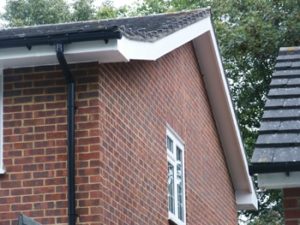
Step 4: Install the New Soffit
Cut the brand-new soffit material to size and install it utilizing nails or a nail gun. Ensure to follow maker guidelines, specifically concerning ventilation slots if utilizing vinyl.
Step 5: Finishing Touches
Use caulk to seal any spaces where the soffit fulfills the wall or fascia for a finished appearance and Fascia And Gutter Replacement included security versus moisture.
Table 2: Estimated Costs of Soffit Replacement
| Product Type | Expense (per direct foot) | Installation Cost (average) |
|---|---|---|
| Wood | ₤ 3 - ₤ 6 | ₤ 1 - ₤ 2 per foot |
| Vinyl | ₤ 2 - ₤ 5 | ₤ 1 - ₤ 1.50 per foot |
| Aluminum | ₤ 3 - ₤ 8 | ₤ 1.50 - ₤ 3 per foot |
| Fiber-Cement | ₤ 5 - ₤ 12 | ₤ 2 - ₤ 4 per foot |
Benefits of Soffit Replacement
Changing soffits can lead to several benefits for house owners, consisting of:
- Enhanced Curb Appeal: New soffits can make a home look fresh and well-maintained.
- Increased Home Value: A well-kept exterior can include worth to the property, making it more appealing to prospective purchasers.
- Enhanced Ventilation: Properly set up soffits can improve attic ventilation, which may enhance energy performance.
- Bug Prevention: New soffits assistance seal entry points that pests may use, resulting in a more protected home.
Frequently Asked Questions about Soffit Replacement
Q1: How frequently should soffits be replaced?A1: Soffits typically last 20-30 years, depending upon the product and ecological conditions. Regular inspections can assist identify the requirement for replacement. Q2: Can I replace soffits myself?A2: Yes, with the right tools and precautions, lots of house owners can replace soffits themselves. However, employing a professional is advisable if you're not confident in your skills. Q3: What are the signs that I require to change my soffits?A3: Look for water spots, peeling paint, noticeable damage, or indications of insect problem in your soffits. Q4: Will changing soffits affect my home's warranty?A4: Always talk to your home guarantee service provider. Professional replacement ought to not impact warranty protection, but DIY work may. Q5: What is the very best material for soffits?A5: It depends on your concerns. Vinyl is low-maintenance, aluminum is long lasting, and wood uses aesthetic appeal however requires more upkeep. Soffit replacement is an essential element of home maintenance that must not be neglected. Whether performing it yourself or hiring a professional, ensuring that your soffits are in good condition can result in various advantages, consisting of enhanced home aesthetics, much better ventilation, and defense versus bugs and wetness. By comprehending the materials readily available, the replacement procedure, and the benefits included, house owners can make informed decisions that boost the durability and worth of their homes.












