

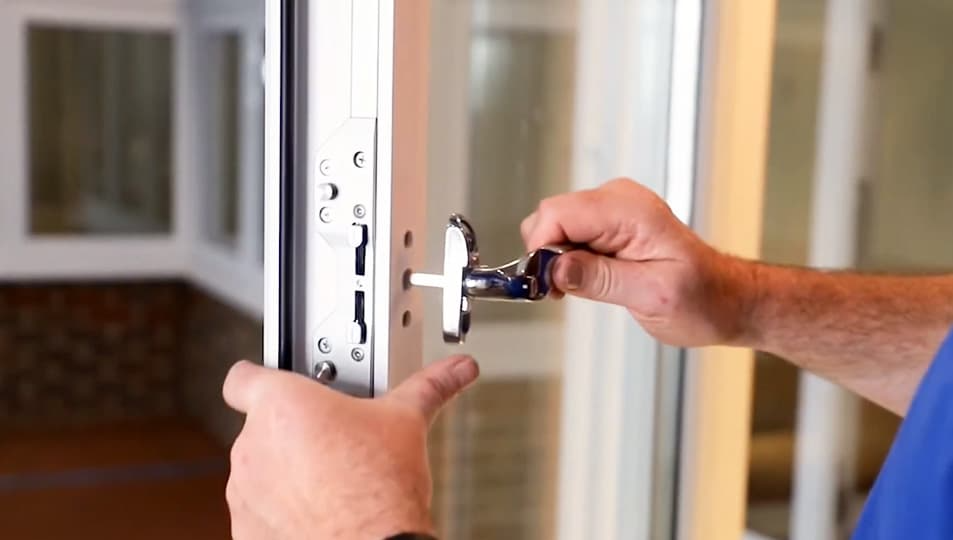
Fixing Window Locks: A Step-by-Step Guide
Windows offer ventilation, natural light, and a view of the outside world, however they likewise work as a crucial entry point for prospective burglars. An effectively working window lock is necessary for preserving home security. Whether you're dealing with a broken lock or merely desire to enhance the security of your windows, this comprehensive guide will stroll you through the process of repairing window locks.
Understanding Window Lock Types
Before diving into repair work, it's essential to understand the various types of window locks. Below is a table summarizing typical types:
| Lock Type | Description | Best for |
|---|---|---|
| Sliding Window Lock | A latch that protects the moving window in location. | Horizontal sliding windows |
| Sash Lock | A bolt system that locks double-hung windows. | Vertical sliding windows |
| Keyed Lock | A locking system requiring a secret to unlock. | Casement and awning windows |
| Pin Lock | A basic locking pin inserted to protect windows. | Any type of window |
| Thumb Turn Lock | A lock that can be quickly opened with a thumb turn system. | Casement and awning windows |
Typical Problems with Window Locks
Comprehending typical concerns can help property owners fix before hiring a professional lock repair. Some frequent issues include:
- Stuck or Jammed Locks: This can take place from deterioration or dirt buildup.
- broken window lock Lock Mechanism: The internal elements might wear due to regular use or bad quality.
- Misalignment: The window or lock may not line up correctly, preventing safe and secure locking.
- Rust or Corrosion: Metal locks can rust, especially in damp climates.
- Lost Keys: An easy yet aggravating issue that needs replacement locks.
Tools and Materials Needed
Before beginning any repair work, collect the necessary tools and products:
Tools:
- Screwdriver (flathead and Phillips)
- Pliers
- Lubricant (like WD-40)
- Cleaning fabric
- Replacement parts (if required)
Materials:
- New window lock (if the old one is broken)
- Screws (if replacements are needed)
Step-by-Step Instructions for Fixing Window Locks
1. Examine the Problem
Before trying any repairs, determine the precise problem with the window lock. Examine the lock and its system carefully to figure out whether it's rusted, broken, or misaligned.
2. Tidy the Lock Mechanism
Sometimes, all a lock needs is a great cleaning. Utilize a fabric to get rid of dust and gunk, then apply a lubricant to the moving parts:
- Spray the lubricant into the lock mechanism.
- Move the lock backward and forward to ensure the lubricant penetrates.
3. Repair Misalignment
If the window lock is misaligned, it might require to be changed. To do this:
- Open the window and examine the positioning of the lock and the matching latch.
- If required, loosen the screws of the lock to rearrange it.
- Tighten up the screws safely when the lock is effectively lined up.
4. Change the Lock
If the lock is damaged beyond repair, a replacement is required. Follow these actions:
Remove the Old Lock:
- Use a screwdriver to get rid of screws holding the old lock in location.
- Take out the lock and carefully detach any internal components.
Install the New Lock:
- Align the new lock with the existing holes.
- Protect it utilizing screws, ensuring it is tightened up correctly.
5. Test the Lock
After setup or repair, test the lock numerous times to guarantee it works efficiently. Inspect that it engages and disengages with no resistance.
6. Keep Your Locks Regularly
To prevent future issues, establish a routine maintenance routine:
- Lubricate locks every few months.
- Inspect for rust or damage at least once a year.
- Clean any particles that can disrupt the lock's system.
Frequently Asked Questions (FAQ)
1. How do I know if my window lock maintenance lock requires replacement?
If the lock is tough to run, broken, or showing signs of substantial wear and rust, it might be time for a replacement.
2. Can I repair a window safety lock myself?
Yes, the majority of window lock repair work can be done at home with standard tools and materials. Nevertheless, if you are unpleasant with DIY repair work, consider hiring a professional.
3. Should I change all my window locks at when?
Not necessarily. If just a couple of locks are malfunctioning, you can change them as required. However, for security factors, consider changing locks routinely as a preventive step.
4. What kind of lock is most protect?
Keyed locks generally provide more security than non-keyed options due to the fact that they need a crucial to unlock, making them more difficult to bypass.
5. How can I prevent window locks from rusting?
To avoid rust, routinely clean and oil your locks, and think about using rust-resistant products for replacements.
Repairing fixing window lock parts locks (see post) locks is an essential home maintenance task that guarantees security and performance. By understanding the elements and processes included, homeowners can deal with repair work confidently and preserve a safe living environment. Regular upkeep and appropriate cleansing can extend the life of window locks, supplying peace of mind for years to come. With the right tools and understanding, guaranteeing your windows are safe does not have to be a difficult task!












