

Understanding Failed Double Glazing: Causes, Symptoms, and Solutions
Double glazing has long been heralded as an option for better insulation and noise decrease in homes. However, it is not without its issues, the most significant of which is the phenomenon of failed double glazing. This blog post will explore what Failed Double Glazing (mouse click the next webpage) is, the signs to look out for, common causes, and potential solutions.
What is Double Glazing?
Before we tackle failure, let's clarify what double glazing entails. Double glazing includes two panes of glass separated by a space that is usually filled with argon gas or vacuum-sealed to create an insulating barrier. This style boosts thermal effectiveness, minimizes sound pollution, and can even prevent burglaries.
What Does "Failed Double Glazing" Mean?
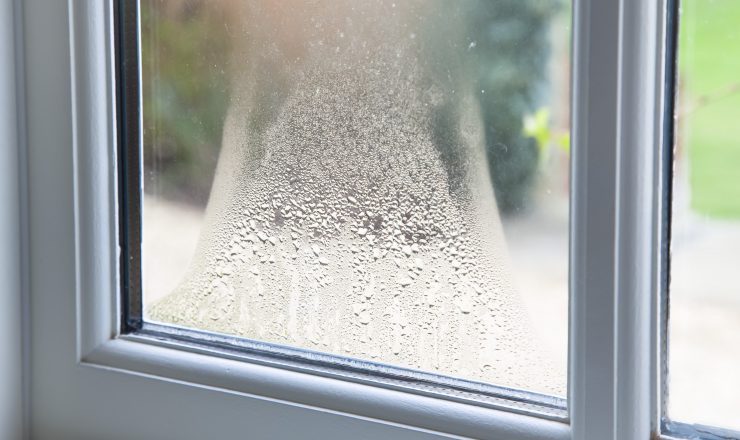
Failed double glazing takes place when the seals that keep the two panes of glass airtight deteriorate, allowing moisture and air to get in the space between the panes. This failure can lead to a number of noticeable and functional problems, substantially impacting the effectiveness of the double glazing.
Symptoms of Failed Double Glazing
Identifying failed double glazing early can save house owners from expensive repairs or replacements. Here are common symptoms that indicate failure:
| Symptoms | Description |
|---|---|
| Condensation Inside Double Glazing | Moisture accumulation between the glass panes, leading to a foggy or cloudy appearance. |
| Drafts | Air leakage might make spaces feel chillier, beating the function of double glazing. |
| Minimized Insulation | Increased energy expenses can recommend that the insulating homes have decreased. |
| Misting or Blurriness | Noticeable haze or distortion in between the panes can be a telltale indication of failure. |
| Evidence of Pitting/Corrosion | Damage to the glass or seals can frequently be identified as signs of rust or pitting. |
Common Causes of Double Glazing Failure
Understanding the factors that cause Best Double Glazing Repairs glazing failure is vital for prevention and repair. Here are some common causes:
| Cause | Description |
|---|---|
| Age of the Unit | Older double glazing units are more prone to seal failure. |
| Poor Installation | Inappropriate fitting can cause tension on the seals, triggering early failure. |
| Severe Weather | Serious temperature level modifications can cause expansion and contraction, harmful seals. |
| Improper Maintenance | Overlooking maintenance can permit dirt and debris to affect the integrity of the seals. |
| Production Defects | Defects in the original design or materials can cause quicker degeneration. |
Long-Term Effects of Failed Double Glazing
Overlooking the symptoms of failed double glazing can lead to more significant consequences, including:
- Structural Damage: Heightened moisture levels can result in wood rot and mold growth in window frames.
- Increased Energy Costs: A substantial drop in energy efficiency can significantly raise heating and cooling expenses.
- Health Risks: Fungus and mildew from moisture build-up can posture major health threats.
- Aesthetic Issues: Misting and condensation can detract from the look of windows, impacting curb appeal.
Solutions to Failed Double Glazing
Fortunately, there are solutions to deal with failed double glazing, ranging from repair to replacement.
Repair Options
- Seal Replacement Glass: If the failure is localized, replacing the faulty seals may suffice.
- Desiccant Resealing: Incorporating desiccants can help soak up moisture in between the panes.
- Regassing: For units that have lost their inert gas fill, regassing can restore their insulation properties.
Replacement Options
- Unit Replacement: Replace the entire double-glazing system for a long-lasting solution.
- Upgrading to Triple Glazing: Consider upgrading to triple glazing for improved insulation and efficiency.
- Customized Solutions: Tailored glazing choices can be set up to alleviate future failures.
Cost Analysis
To assist property owners in making informed decisions, here's a cost comparison chart for repair versus replacement alternatives:
| Solution | Average Cost (per window) | Lifespan (years) | Pros | Cons |
|---|---|---|---|---|
| Seal Replacement | ₤ 100 - ₤ 300 | 5-10 | Affordable, fast fix | May not completely restore performance |
| Desiccant Resealing | ₤ 150 - ₤ 400 | 5-10 | Reliable for small issues | Still may need replacement later on |
| Regassing | ₤ 150 - ₤ 350 | 5-10 | Brings back insulation | Not a permanent option |
| Unit Replacement | ₤ 400 - ₤ 800 | 20-30 | Lasting, effective | Greater preliminary cost |
| Triple Glazing Upgrade | ₤ 800 - ₤ 1,500 | 30+ | Superior insulation and noise reduction | High preliminary financial investment |
Frequently Asked Questions (FAQs)
What does it indicate if my double glazing has misted up?
Misting usually indicates that the seal has failed, allowing moisture to go into. This typically necessitates repair or replacement.
Can I repair failed double glazing myself?
While minor repairs, like resealing, can sometimes be done by a DIY enthusiast, professional evaluation is recommended to guarantee the problem is correctly diagnosed and treated.
How can I avoid future double glazing failures?
Regular maintenance, consisting of cleaning seals and inspecting for damage, can help reduce the threat of future failures.
Should I choose double or triple glazing?
For homeowners in extreme climates or with high energy costs, upgrading to triple glazing may yield long-term savings through increased performance.

How long does double glazing last?
On average, double glazing can last in between 20 to 30 years, but this can vary based upon the quality of setup and materials utilized.
Failed double glazing is a typical problem that can impact the convenience and effectiveness of a home. Comprehending the symptoms, causes, and solutions is essential for homeowners seeking to keep their windows' integrity and efficiency. By keeping a close watch for indications of failure and looking for professional aid when essential, you can guarantee your double glazing serves you well for many years to come. Regular upkeep and prompt repairs will not just extend the lifespan of your windows but will also enhance the total comfort of your living environment.












