

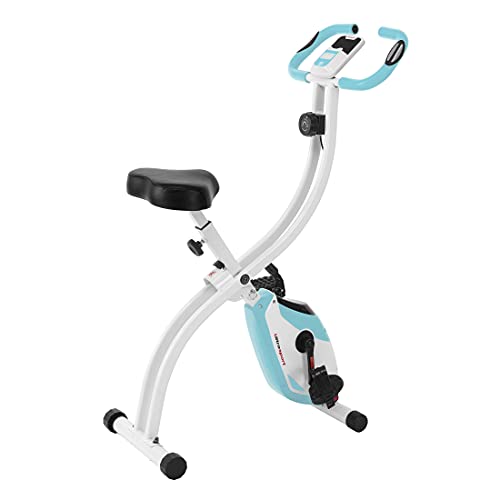
The Ultimate Guide to Exercise Bicycles: Fitness on Two Wheels
As physical fitness trends continue to develop, the simple exercise bicycle remains a staple in both home health clubs and industrial gym. Understood for its flexibility and convenience, the exercise bike supplies an outstanding cardiovascular workout without the high impact associated with some other physical fitness equipment. In this detailed guide, we will check out the benefits, types, and necessary functions of exercise bikes, along with an FAQ area to deal with typical questions.
Table of Contents
- Benefits of Using an Exercise Bicycle
- Types of mini cycle exercise bike Bicycles
- A. Upright Bikes
- B. Recumbent Bikes
- C. Spin Bikes
- Vital Features to Consider
- Comparing Exercise Bicycles: A Table
- Often Asked Questions (FAQ)
- Conclusion
1. Benefits of Using an Exercise Bicycle
Cardiovascular Health
Routine biking helps enhance cardiovascular fitness. Research shows that people who keep an active way of life, including biking, reveal a lower risk of heart disease.
Weight reduction
Exercise bicycles are effective for burning calories. Depending upon the intensity, users can burn in between 400 to 600 calories per hour, making it an exceptional choice for weight management.
Joint-Friendly
Unlike running or other high-impact activities, biking is simple on the joints. It reduces the risk of injury, making it appropriate for people of any ages, including those recovering from injuries.
Convenience and Accessibility
With an exercise bicycle, users can delight in an exercise from the comfort of their homes, regardless of external climate condition. The capability to work out at any time improves accessibility.
Enhanced Mental Health
Engaging in regular physical activity, such as cycling, can reduce stress and anxiety and anxiety symptoms. The release of endorphins during exercise promotes a better state of mind and general psychological wellness.
2. Kinds Of Exercise Bicycles
When selecting an exercise bicycle, it's vital to comprehend the different types readily available, as each accommodates particular requirements and physical fitness objectives.
A. Upright Bikes
Upright bikes are the most standard type of exercise bicycles and imitate the posture of a basic roadway bike.
Pros:
- Compact style, appropriate for little areas.
- Uses a realistic cycling experience.
Cons:
- May be uneasy for long period of time due to saddle position.
B. Recumbent Bikes
These bikes include a reclined seating position, supplying back assistance and distributing weight evenly throughout the back and buttocks.
Pros:
- Comfortable seating, ideal for longer sessions.
- Lower risk of discomfort and injury.
Cons:
- Takes up more space than upright bikes.
- May not offer a feeling of an authentic cycling experience.
C. Spin Bikes
Spin bikes are created for high-intensity exercises and often feature a heavier flywheel for a smoother ride.
Pros:
- Suitable for intense interval training.
- Adjustable resistance levels accommodate numerous physical fitness levels.
Cons:
- Can be more pricey than other types.
- May require a discovering curve for appropriate usage.
3. Vital Features to Consider
When acquiring an exercise bicycle, numerous features can enhance your workout experience.
| Function | Importance |
|---|---|
| Resistance Levels | Different levels supply adaptability for exercises. |
| Display Monitor | Tracks time, distance, calories burned, and speed. |
| Adjustable Seat | Ensures comfort by enabling personalization. |
| Weight Capacity | Examine to make sure the bike fulfills specific requirements. |
| Mobility | Think about integrated wheels for easy motion. |
| Bluetooth Connectivity | Synchronizes with fitness apps for tracking progress. |
4. Comparing Exercise Bicycles: A Table
The following table provides a comparison of popular exercise bike home bicycle designs across different categories:
| Model | Type | Resistance Levels | Adjustable Seat | Display Monitor | Rate Range |
|---|---|---|---|---|---|
| Peloton Bike | Spin | 20 | Yes | Yes | ₤ 1,495 - ₤ 1,745 |
| Schwinn 270 Recumbent | Recumbent | 25 | Yes | Yes | ₤ 799 - ₤ 849 |
| Sunny Health SF-B1002 | Upright | 8 | Yes | Yes | ₤ 200 - ₤ 250 |
| Nautilus U618 | Upright | 25 | Yes | Yes | ₤ 600 - ₤ 1,000 |
| Keiser M3i | Spin | Infinite | Yes | Yes | ₤ 2,495 |
5. Often Asked Questions (FAQ)
Q1: How frequently should I use an exercise bicycle for weight loss?
A: To see considerable weight-loss results, goal for at least 150 minutes of moderate-intensity cycling weekly, integrated with a balanced diet.
Q2: Can I build muscle using an exercise bicycle?
A: While exercise bikes mainly promote cardiovascular fitness, they can help enhance leg exercise machine muscles, particularly the quadriceps, hamstrings, and calves.
Q3: Is it safe for elders to utilize exercise bikes?
A: Yes! Exercise bikes are low-impact and supply a safe way for elders to engage in exercise. However, it's suggested to speak with a healthcare service provider before starting any brand-new exercise program.
Q4: What should I wear while utilizing an exercise bicycle?
A: Wear comfortable, moisture-wicking clothes and appropriate footwear. Consider cycling shoes created for the particular kind of bike.
Q5: How do I maintain my exercise bicycle?
A: Regular maintenance includes examining and tightening up parts, cleaning the bike, and ensuring the resistance system is operating properly.
The exercise bicycle remains a popular option for those looking for an efficient and low-impact good exercise bike. Its flexibility, ease of usage, and several health benefits make it an ideal addition to any physical fitness regimen. Whether one select an upright, recumbent, or spin bike, comprehending the important features and types can assist in making an informed purchase. Ultimately, the key to enjoying the advantages lies in consistency and enjoyment of the workout program, assuring a much healthier lifestyle on two wheels.












