Understanding Lock Fix: A Comprehensive Guide to Resolving Common Lock Issues
Locks are a vital element of our lives, offering security and peace of mind for homes, companies, and cars. Nevertheless, like any mechanical system, locks can often malfunction or fail, causing frustrating scenarios. This blog post intends to check out the numerous types of lock problems, their causes, and reliable methods for repairing them. So whether you're handling a sticky deadbolt or a jammed padlock, this guide will offer you with the needed insights and options.
Table of Contents
- Types of Locks
- Common Lock Problems
- Diagnosing quick lock repair Issues
- DIY Lock Fixes
- When to Call a Professional
- Preventive Measures
- Frequently asked questions
1. Types of Locks
Locks come in numerous kinds, each serving different functions and requirements. Here's a breakdown of the most common types:
| Type of Lock | Description |
|---|---|
| Deadbolt | A high-security lock that requires an essential or a thumb turn to engage. Ideal for outside doors. |
| Knob Lock | Typically used for interior doors, these locks are run through a knob. |
| Lever Handle Lock | Frequently discovered in business settings, these locks run using a lever. |
| Padlock | Lockable with an essential or mix, suitable for protecting various products like gates or luggage. |
| Smart Lock | Electronic locks that can be run by means of smart device apps, keycodes, or biometrics. |
2. Common Lock Problems
Numerous issues can impact locks, and understanding these will help in diagnosing and repairing them. Below is a list of common issues:
| Lock Problem | Description |
|---|---|
| Sticking or Jamming | The key will not turn, or the Lock fix feels stiff. |
| Secret Won't Insert | The secret can not be placed into the lock cylinder. |
| Broken Key | A key that has snapped inside the lock. |
| Rust or Corrosion | Noticeable rust or accumulation that affects the lock's operation. |
| Loose Screws or Components | Parts of the lock are loose, affecting its functionality. |
3. Diagnosing Lock Issues
Before attempting to fix a lock, it's crucial to identify the issue properly. Here are actions to take:
- Inspect the Lock: Look for any visible damage or wear.
- Test the Key: Ensure the secret is not bent, broken, or worn down.
- Oil: Apply a little quantity of graphite or silicone lubricant to the lock to see if it resolves sticking concerns.
- Examine Alignment: Ensure the lock and strike plate are aligned correctly.
4. Do It Yourself Lock Fixes
If you're handy and feel comfortable tackling lock issues by yourself, here are some DIY fixes to think about:
A. Sticking or Jamming Locks
- Lubrication: As pointed out earlier, utilize graphite lube or silicone spray to reduce motion.
- Cleansing: Use a soft fabric and a little alcohol to clean the keyhole and the internal mechanism.
B. Key Won't Insert
- Check the Key: Check for burrs or damage. If required, file the crucial gently.
- Tidy the Lock: Dust or dirt might block the keyway; use compressed air to clean.
C. Broken Key
- Extracting a Broken Key:
- Use tweezers or a magnet if the crucial piece is fully exposed.
- For much deeper breaks, utilize a broken crucial extractor tool available at hardware shops.
D. Rust or Corrosion
- Getting rid of Rust: Soak the house lock repair in vinegar or utilize a rust eliminator and scrub with a brush.
- Protective Coating: After cleansing, protect the lock with a rust-inhibiting spray.
E. Tighten Loose Components
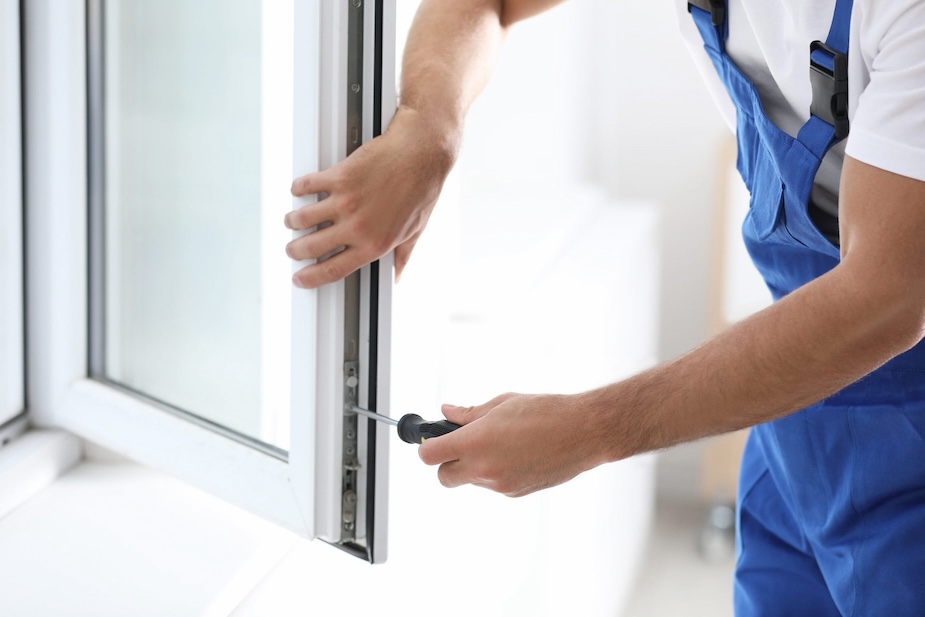
- Screwdriver Use: Tighten any screws or bolts that might be loose utilizing the proper screwdriver.
5. When to Call a Professional
While many lock concerns can be solved through DIY techniques, some situations necessitate professional aid. Consider connecting to a locksmith professional if you encounter:
- A damaged lock that is beyond window latch repair.
- Issues about complex electronic or wise locks.
- Issues that jeopardize security, needing instant attention.
- If efforts at fixing the lock replacement have actually stopped working or aggravated the condition.
6. Preventive Measures
Taking proactive steps can substantially decrease the likelihood of lock issues. Here are some preventive measures:
- Regular Maintenance: Periodically inspect and lubricate locks.
- Usage Quality Locks: Invest in durable locks that are less vulnerable to failure.
- Environmental Protection: If locks are outside, think about weather-resistant designs or covers.
- Secret Management: Avoid excessive force on keys and change used keys without delay.
7. Frequently asked questions
Q1: How frequently should I lubricate my locks?
A: It's suggested to lube your locks at least once a year or more regularly if they are exposed to severe weather conditions.
Q2: Can I repair a lock myself if I lose my secrets?
A: If you lose your secrets, it's typically best to call a locksmith professional to prevent harming the lock while attempting to gain entry.
Q3: What kind of lube should I utilize on my locks?
A: Use graphite or silicone-based lubricants. Prevent oil-based lubricants like WD-40, as they can attract dirt and grime.
Q4: How can I prevent keys from breaking inside the lock?
A: Regularly check your keys for indications of wear and change them as essential. Likewise, prevent using excessive force when placing or turning the secret.
In conclusion, locks play a pivotal role in our security and convenience, but they can likewise position difficulties when they breakdown. Understanding the types of locks, typical problems, and efficient DIY fixes can empower people to keep their locks much better. However, knowing when to call a professional is equally essential to ensure safety and effectiveness. By taking preventive steps and staying notified, people can delight in protected and practical locks for years to come.