

The Ultimate Guide to Exercise Bikes: Choosing the Right One for You
Exercise bikes have actually ended up being a staple in home physical fitness regimens and fitness center settings alike. With their flexibility and variety of benefits, they cater to individuals of all physical fitness levels. Whether you're intending to slim down, enhance cardiovascular health, or improve endurance, stationary bicycle can be an exceptional option. This guide will check out the different types of exercise bikes, their benefits, important features to consider, and an in-depth contrast table to help you make a notified decision.
Types of Exercise Bikes
When it concerns exercise bikes, there are mostly three types: upright bikes, recumbent bikes, and spin bikes. Each type serves a various purpose and accommodates differing physical fitness objectives.
| Kind of Bike | Description | Suitable For |
|---|---|---|
| Upright Bike | Mimics a traditional bicycle, focusing on an upright position and engaging core muscles. | Casual riders and those building endurance. |
| Recumbent Bike | Uses a reclined seating position with a larger seat and back support, placing less pressure on the back. | Those with neck and back pain or joint problems. |
| Spin Bike | Designed for high-intensity workouts, including a heavy flywheel for exercise cycle home a smooth ride and adjustable resistance. | Advanced users seeking a cycling class experience or robust exercises. |
Advantages of Using Exercise Bikes
Low Impact on Joints: Exercise bikes offer a low-impact cardiovascular exercise, making them suitable for individuals with joint concerns or those recuperating from injuries.
Cardiovascular Health: Regular biking can considerably improve heart health, increasing your cardiovascular endurance and lowering the risk of heart diseases.
Weight Loss and Management: Combining stationary bicycle workouts with a healthy diet plan can aid in significant weight-loss. A person weighing 155 pounds can burn around 260 calories in 30 minutes at a moderate intensity on an upright bike.
Convenience: Exercise bikes are compact and easily suit home settings, allowing users to exercise without the need for a health club.
Customizable Workouts: Most exercise bikes come with various resistance levels that can be adjusted based upon the user's fitness level, making sure development over time.
Engagement and Versatility: Many contemporary bikes come geared up with innovation that enables users to follow structured workouts, track development, or even join virtual classes, including an amazing aspect to indoor cycling.
Features to Consider
When selecting a stationary bicycle, it's vital to consider the following functions to ensure you pick one that aligns with your physical fitness objectives and choices.
| Feature | Significance |
|---|---|
| Comfort | Search for adjustable seats and handlebars to keep appropriate type and convenience throughout workouts. |
| Resistance Levels | Numerous resistance levels permit diverse exercises, dealing with both beginners and advanced bicyclists. |
| Digital Display | A display screen that tracks time, range, calories burned, and heart rate assists in monitoring progress. |
| Size and Portability | Guarantee that the bike fits your space and can be moved quickly if required. |
| Integrated Programs | Pre-set workout programs can help keep exercises engaging and challenging. |
| Connectivity | Numerous bikes now have Bluetooth abilities and can connect to apps for boosted tracking and virtual classes. |
Contrast Table of Popular Exercise Bikes
Here's a contrast of some popular exercise bikes offered on the market today:
| Bike Model | Type | Resistance Levels | Weight Capacity | Price Range |
|---|---|---|---|---|
| Peloton Bike | Spin | 100 | 297 pounds | ₤ 1,445 |
| NordicTrack Commercial S22i | Spin | 24 | 350 pounds | ₤ 1,999 |
| Schwinn 270 Recumbent Bike | Recumbent | 25 | 300 lbs | ₤ 699 |
| Sunny Health & & Fitness SF-B901 | Upright | 8 | 275 lbs | ₤ 299 |
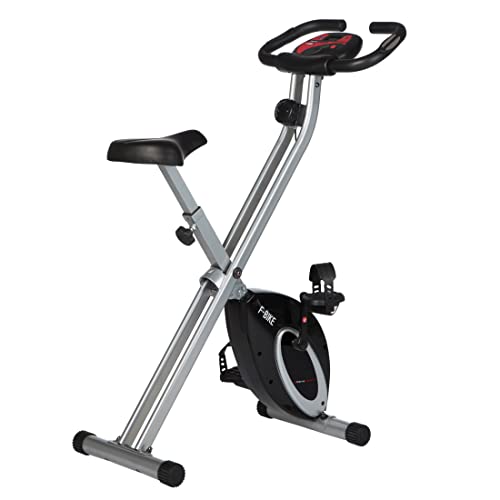
| Exerpeutic Folding Magnetic Upright Bike | Upright | 8 | 300 pounds | ₤ 169 |
Prices and requirements are subject to alter, and it's advisable to examine existing deals before buying.
Regularly Asked Questions (FAQs)
1. How often should I use my stationary bicycle?
best static cycle for exercise weight loss and fitness improvement, go for at least 150 minutes of moderate aerobic exercise or 75 minutes of energetic exercise per week. This can be divided into much shorter sessions based on your schedule.
2. Do stationary bicycle actually assist in weight reduction?
Yes! Stationary bicycle can be effective for weight-loss. When combined with a healthy diet plan and routine exercise, you can burn significant calories, causing weight-loss in time.
3. Can I utilize a stationary bicycle if I have joint discomfort?
Yes, stationary bicycle supply a low-impact Exercise Bike Parts that is simpler on the joints than running or high-impact workouts. Recumbent bikes are especially useful for those with back or joint discomfort.
4. Are expensive stationary bicycle worth the investment?
Higher-end bikes generally feature more features, better develop quality, and longevity. Consider your budget and how frequently you plan to use the bike. Quality typically leads to a better workout experience.
5. What is the best kind of stationary bicycle for novices?
Upright bikes are generally recommended for beginners, as they offer an uncomplicated and comfortable biking experience. Nevertheless, recumbent bikes can likewise be a fantastic choice for those searching for extra back assistance.
Exercise bikes are a wonderful addition to any physical fitness regimen, allowing individuals to enjoy a cardio exercise that is both effective and low-impact. By comprehending the various types of bikes, their benefits, and the necessary functions to consider, users can make informed options that line up with their fitness goals. With the best home exercise machine exercise bike, attaining fitness and health goals can be not just achievable but satisfying too.












