

Pram Vs Pushchair: A Comprehensive Guide for New Parents
Picking the best mode of transport for your baby can be a daunting job for new parents, particularly with the huge selection of options available in the market today. Amongst these, prams and pushchairs best are 2 of the most commonly discussed. While some people use these terms interchangeably, there are crucial differences that can influence your decision. This blog site post intends to clarify the differences in between prams and pushchairs, their functions, advantages, reclineable and when to utilize each.
Comprehending Prams and Pushchairs
Before diving into the information, it's crucial to comprehend what each term indicates:
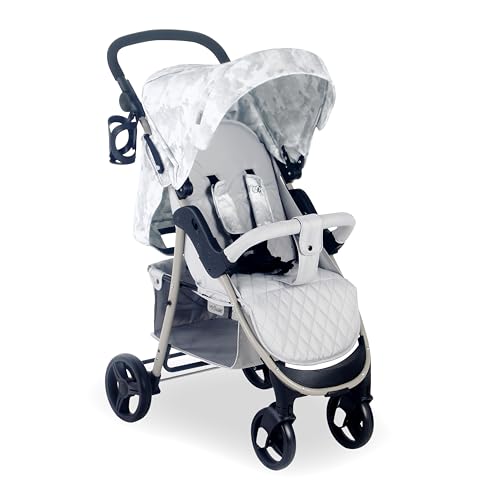
Prams: Also referred to as baby carriages, prams are designed for babies from birth until they can sit up unaided. They provide a flat, comfy surface for the baby to lie down and are generally geared up with a hood to protect the kid from sun and rain. Prams highlight convenience and are typically used for leisurely walks.
Pushchairs: Pushchairs, on the other hand, are designed for older babies who can stay up unaided, normally beginning with around six months. They are more light-weight and compact than prams, making them simpler to steer in hectic environments. Pushchairs often include reclining seats, adjustable footrests, and can in some cases be transformed into travel systems that accommodate car seats.
Key Differences Between Prams and Pushchairs
To clarify the distinctions even more, let's break down their features in a comparative table:
| Feature | Pram | Pushchair |
|---|---|---|
| Setup | Flat lying position | Upright seated position |
| Age Range | Newborn to approx. 6 months | 6 months to approx. 4 years |
| Weight | Much heavier due to building and construction | Lighter and more portable |
| Maneuverability | Frequently bulkier, harder in tight areas | Simpler to maneuver, specifically in crowded locations |
| Storage Space | More storage, can hold additional items | Generally less storage readily available |
| Folding Type | Bulkier, might not fold quickly | Easy to fold, normally compact |
| Safety Features | Often consists of harnesses and canopies | Consists of adjustable harnesses, recline options |
Advantages and disadvantages of Prams and Pushchairs
Prams
Pros:
- Comfortable: Provide a comfortable flat surface area for newborns.
- Stylish Options: Many prams come in stylish designs and colors.
- Suitable for Infants: Perfect for really young babies who need to lie flat.
Cons:
- Bulkiness: Can be heavy and challenging to raise or carry.
- Restricted Use: Usable primarily for a short duration throughout infancy.
- Higher Cost: Often more expensive due to higher quality products.
Pushchairs
Pros:
- Portability: Lighter and much easier to transport, making them perfect for errands.
- Flexible: Suitable for numerous ages and can typically be gotten used to accommodate growth.
- Compact Storage: Easy to fold and store, saving area.
Cons:
- Limited Comfort for Newborns: Not perfect for really young babies who can not sit up individually.
- Less Stability: Some pushchairs might not feel as stable as prams double on irregular surfaces.
- Optional Accessories: Some designs might require extra purchases, such as a footmuff or rain cover.
When to Use a Pram vs. Pushchair
Pram Usage
- Leisurely Walks: When parents plan to take long walks in parks or on smooth walkways.
- Shopping Trips: Ideal for leisurely shopping journeys where comfort is a top priority.
- Newborns: Best for babies who are not yet able to sit up unaided.
Pushchair Usage
- Daily Errands: Great for browsing busy streets or crowded environments.
- Traveling: Recommended for parents on the go who need something simple to transport.
- Growing Baby: Perfect for babies who can sit up independently and require more interaction with their surroundings.
Frequently Asked Questions
1. Can I utilize a pushchair for a newborn?
While some pushchairs are created with a reclining feature that can accommodate newborns, it's normally a good idea to stick to a pram for infants up until they can stay up unassisted.
2. Are prams worth the investment?
If you intend on having several kids or require something specifically designed for newborns, buying a high-quality pram may be worthwhile. They are often more comfortable and can provide an exceptional experience for young babies.
3. Can pushchairs recline?
Yes, lots of pushchairs included recline functions that enable for lying back. This makes them ideal for snoozing babies, although they might not lie flat as a pram does.
4. What is a travel system?
A travel system is a mix of a pushchair and a safety seat, allowing parents to easily move a baby from the cars and truck to the pushchair twin without waking them up. This is especially practical for busy parents.
5. How do I pick in between a pram and a pushchair?
Think about factors such as your baby pram's age, way of life, and specific requirements. If you want something for an infant-focused environment, a pram is perfect. If you require flexibility and ease of transport, a pushchair may be the much better choice.
In summary, both prams and pushchairs have their own set of benefits and disadvantages. The choice ultimately depends upon your lifestyle, your child's age, and your personal choices. By understanding the basic distinctions, parents can make informed decisions tailored to their requirements.
When selecting in between a pram and a pushchair, it's constantly prudent to attempt them out in-store if possible, assess the weight and folding systems, and consider what fits best pushchair in your lifestyle. Whether you select a traditional pram or a modern-day pushchair, the best choice will make sure that your baby takes a trip in comfort and style. Delighted strolling!












