

The Comprehensive Guide to uPVC Fascias: Benefits, Installation, and Maintenance
Worldwide of contemporary building and home improvement, uPVC fascias have actually emerged as a favored choice for property owners and contractors alike. uPVC, or unplasticized polyvinyl chloride, is known for its toughness and flexibility, making it a perfect product for exterior applications. This blog site post aims to explore uPVC fascias in detail, discussing their advantages, installation, maintenance, and resolving regularly asked concerns.
What are uPVC Fascias?
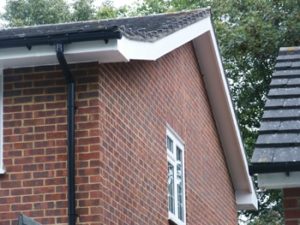
Fascias are the horizontal boards that run along the edge of a roofing, serving as a cap for completions of rafters. They play an essential function in supplying structural assistance to the roofline while likewise offering aesthetic appeal. uPVC fascias are made from a plastic-based product that is both weather-resistant and low maintenance, making them a popular option to traditional Wooden Fascias, click through the next page,.
Advantages of uPVC Fascias
When considering fascias for your home, uPVC offers numerous benefits:
| Benefit | Description |
|---|---|
| Sturdiness | uPVC is resistant to rot, warping, and bug damage, ensuring a long life expectancy compared to wood. |
| Low Maintenance | Unlike wood, uPVC does not require to be painted or stained and can be quickly cleaned up with soap and water. |
| Weather condition Resistance | uPVC fascias are invulnerable to wetness, making them ideal for areas with heavy rains or humidity. |
| Visual Appeal | Offered in different colors and surfaces, uPVC fascias can complement any architectural design. |
| Cost-Effective | Long-term savings on maintenance and Replacement Soffit Boards make uPVC a cost-effective choice. |
| Eco-Friendly Options | Some producers use recycled uPVC alternatives, promoting sustainability in building and construction materials. |
Installation of uPVC Fascias
Tools Required
Before beginning the installation of uPVC fascias, gather the following tools:
- Measuring tape
- Level
- Hammer
- Screwdriver
- Circular saw or hand saw
- Security goggles
- Ladder
Step-by-Step Guide
Procedure the Area: Use a determining tape to determine the length of the fascia boards required.
Purchase the Right Materials: Select uPVC fascias that match your visual and practical requirements. Ensure you've got enough length and complementary devices (like brackets and end caps).
Remove Old Fascias (if relevant): If you're replacing existing fascias, carefully eliminate them utilizing the hammer and screwdriver. Be mindful not to damage the roofline or underlying structures.
Prepare the Fascia And Gutter Replacement Soffit Board Repair: Cut the uPVC fascia to the needed lengths, ensuring clean edges for a neater fit.
Set Up the Fascia Board: Position the fascia board along the roofline. Protect it in location with screws, ensuring it is level and sufficiently attached to the rafters.
Finishing Touches: Install any extra accessories such as end caps or corner pieces to provide a completed appearance. Make sure all joints are sealed to avoid wetness ingress.
Clean Up: Dispose of any debris and clean the location to make sure a neat work space.
Installation Tips
- Constantly consult local structure codes and policies before starting the job.
- If uncertain about installation, consider employing a professional.
- Use aluminum or stainless-steel screws to resist corrosion.
Maintenance of uPVC Fascias
One of the main advantages of uPVC fascias is their low maintenance requirements. Nevertheless, regular checks and cleanings can lengthen their lifespan:
Routine Maintenance Checklist
| Job | Frequency |
|---|---|
| Visual Inspection | Every year |
| Cleaning | Bi-annually |
| Look for Damage | Each year |
| Sealant Inspection | Every few years |
Cleaning Your uPVC Fascias
- Use a soft cloth or sponge with warm, soapy water.
- Avoid abrasive cleaners, as they can scratch the surface.
- Wash completely with water to eliminate soap residue.
FAQ About uPVC Fascias
1. How long do uPVC fascias last?
uPVC fascias can last between 20 to 30 years or more, depending upon the quality of the material and ecological conditions.
2. Can uPVC fascias be painted?
While it is not required to paint uPVC fascias, if preferred, you must use specifically formulated paint created for plastic surface areas.
3. What colors are offered for uPVC fascias?
uPVC fascias are available in a large range of colors, consisting of white, black, and wood grain surfaces to match the visual of your home.
4. Are uPVC fascias eco-friendly?
Yes, numerous manufacturers offer recycled uPVC products, and the durability of uPVC fascias decreases the requirement for replacements, adding to sustainability.
5. How do I know if my fascias require replacing?
Signs that fascias may require replacing consist of noticeable sagging, splitting, or soffit Board Replacement discoloration. If there is water damage or rot, instant action should be taken.
Choosing uPVC fascias for your home can substantially improve both its structural stability and aesthetic appeal. With their sturdiness, low maintenance, and contemporary styles, uPVC fascias stand apart as an excellent investment for house owners. Correct installation and periodic maintenance can extend their life expectancy, making them a practical and affordable service for any residential or commercial property. Whether you're constructing a brand-new home or refurbishing an existing one, think about the advantages that uPVC fascias can give your living environment.












