

The Ultimate Guide to Eaves Replacement: Everything You Need to Know
Eaves play an essential role in protecting your home from weather damage and guaranteeing correct drain away from your foundation. Gradually, these structures can succumb to use Fascias And Soffits tear, necessitating eaves replacement. This guide dives into the importance of eaves, factors influencing their replacement, and the process included, total with an in-depth FAQ section.
Comprehending Eaves: What Are They?
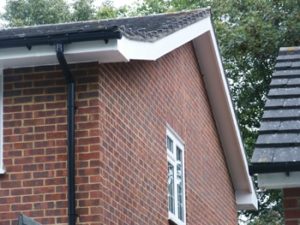
Eaves are the edges of a roofing system that overhang the walls of a structure. They serve multiple purposes, consisting of:
- Water Management: Redirecting rainwater to seamless gutters and downspouts to prevent water damage.
- Defense: Shielding walls and foundations from moisture and particles.
- Visual Appeal: Enhancing the architectural design of a home.
Table 1: Key Functions of Eaves
| Function | Description |
|---|---|
| Water Management | Helps direct rainwater away from the building. |
| Security | Shields walls and structures from water damage and destruction. |
| Visual Appeal | Complements the architectural design of the home. |
Signs Your Eaves Need Replacement
Acknowledging when it's time to replace your eaves is vital in keeping your home's integrity. Here are some signs to look for:
- Cracks and Damage: Look for noticeable cracks or damage in the eaves themselves.
- Water Stains: Noticeable water discolorations on your ceilings or walls can show improper drainage.
- Form Growth: If you identify mold or mildew around your eaves, wetness is likely caught, necessitating replacement.
- Rust or Corrosion: Metal eaves can rust in time, leading to leakages or structural concerns.
- Insect Infestation: Insect problems or nests in the eaves can signify degeneration.
Table 2: Signs of Eaves Damage
| Indication | Description |
|---|---|
| Cracks and Damage | Visible fissures or breaks in the eaves. |
| Water Stains | Discoloration on ceilings or walls suggesting leaks. |
| Mold Growth | Presence of mold or mildew around eaves. |
| Rust or Corrosion | Oxidation on metal eaves leading to leaks. |
| Pest Infestation | Unwanted insect nests showing deterioration. |
Factors Influencing Eaves Replacement
When thinking about eaves replacement, a number of elements enter play. Comprehending these can help homeowners make notified decisions.
Product Selection
Eaves are available in various materials, each with its own benefits and drawbacks. Common materials consist of:
- Aluminum: Durable and light-weight but vulnerable to denting.
- Vinyl: Low maintenance but might warp in severe temperature levels.
- Wood: Offers visual appeal however requires routine maintenance to avoid rot.
Climate Considerations
The local environment impacts the longevity and toughness of eaves. Areas with heavy rains might require more robust materials, while hotter environments may benefit from light-weight, UV-resistant materials.
Expense Factors
The expense of eaves replacement can differ considerably based upon material option, labor costs, and the extent of the damage. Property owners must budget plan for both products and Expert Soffit Installation.
Table 3: Comparison of Eaves Materials
| Product | Toughness | Maintenance Level | Cost (per linear foot) | Aesthetic Quality |
|---|---|---|---|---|
| Aluminum | High | Low | ₤ 5 - ₤ 10 | Moderate |
| Vinyl | Moderate | Extremely Low | ₤ 3 - ₤ 6 | Moderate |
| Wood | Moderate | High | ₤ 6 - ₤ 12 | High |
The Eaves Replacement Process
Replacing eaves is a task that can be done by professionals or, for the positive DIYer, took on personally. Here's a detailed breakdown of the procedure.
Action 1: Assessment
Before starting, carry out a thorough evaluation of the existing eaves. Recognize damaged locations and determine the degree of replacement required.
Step 2: Choose Your Materials
Based on budget, climate, and aesthetic choices, select suitable materials for Fascia and soffit contractor your brand-new eaves.
Action 3: Gather Tools and Supplies
If you're taking on the project yourself, guarantee you have all essential tools, including:
- Ladder
- Safety equipment (gloves, safety glasses)
- Measuring tape
- Saw and/or cutting tool
- Fasteners and adhesive
Step 4: Remove Old Eaves
Carefully get rid of the old eaves, guaranteeing not to damage the roofing system or underlying structures. This step normally includes unscrewing or separating the eaves from the structure.
Step 5: Install New Eaves
Set up the new eaves according to producer guidelines. Ensure appropriate alignment for reliable water management and looks.
Step 6: Final Checks
Conduct a final check of the installed eaves to ensure they are safe and carry out as planned.
Regularly Asked Questions (FAQ)
Q1: How frequently should eaves be replaced?
A: Eaves ought to be inspected every couple of years, but replacement normally takes place every 20-30 years, depending on material and local climate condition.
Q2: Can I replace eaves myself?
A: Yes, if you're comfortable with DIY tasks, you can replace eaves yourself. Nevertheless, employing a professional is suggested for complex structures.
Q3: What tools do I need for eaves replacement?
A: Essential tools include a ladder, safety equipment, determining tape, saw, and fasteners.
Q4: What are the costs associated with eaves replacement?
A: Costs differ based upon products and labor but normally range from ₤ 3 to ₤ 12 per linear foot.
Q5: How can I keep my eaves?
A: Regular evaluations, cleaning up seamless gutters, and making sure correct drainage can substantially extend the life of your eaves.
Eaves replacement is an important element of home maintenance that can safeguard your residential or commercial property and boost its aesthetic appeal. By acknowledging signs of damage, comprehending the factors included in product choice and costs, and following a systematic replacement procedure, house owners can ensure their homes remain safe and lovely for years to come. As with any home improvement job, consulting with professionals can supply guidance tailored to your particular requirements and scenarios. Acting promptly will conserve cash and hassle down the roadway, guaranteeing your home remains a safe house for you and your family.












