

Understanding UPVC Soffits: A Comprehensive Guide
UPVC soffits have become a popular choice for house owners and contractors alike due to their durability, low maintenance, and aesthetic appeal. As an important part of a structure's roof, soffits serve both practical and decorative purposes. This post aims to check out the numerous aspects of UPVC soffits, including their advantages, installation, maintenance, and contrast with traditional products.
What is a Soffit?
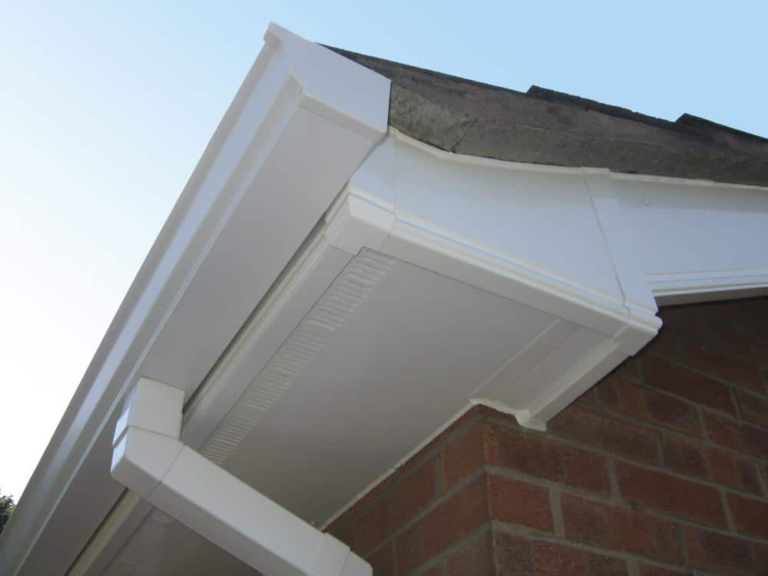
A soffit is the underside of an architectural function, typically found beneath the eaves of a roofing. While generally made from wood or aluminum, UPVC (Unplasticized Polyvinyl Chloride) has ended up being a preferred material due to its intrinsic benefits. UPVC soffits are created to enable ventilation for the roofing system while supplying a finished appearance to the structure.
Table 1: Comparison of Soffit Materials
| Material | Benefits | Drawbacks |
|---|---|---|
| UPVC | - Low maintenance | - Limited color options |
| - Weather resistant | - Can fade gradually | |
| - Durable and lasting | ||
| - Easy to install | ||
| Wood | - Natural visual | - Requires routine maintenance |
| - Easily paintable | - Prone to rot, warping, and bugs | |
| Aluminum | - Rust-resistant | - Can damage quickly |
| - Lightweight | - More costly than UPVC |
Advantages of UPVC Soffits
UPVC soffits provide numerous benefits, making them an exceptional option for modern building and construction. Here are a few of the essential benefits:
1. Durability
UPVC is understood for its durability and resistance to ecological factors. Unlike wood, UPVC does not rot or warp, making it a long-lasting choice for soffits.
2. Low Maintenance
One of the most considerable benefits of UPVC soffits is their low maintenance requirements. They do not require painting and can be quickly cleaned with soap and water.
3. Visual Appeal
With numerous styles, colors, and completes available, UPVC soffits can enhance the overall look of a building. They can complement different architectural designs, providing a polished look.
4. Energy Efficiency
UPVC soffits can add to enhanced energy effectiveness. They assist preserve constant temperatures in the attic by promoting appropriate ventilation, reducing cooling and heating costs.
5. Price
Compared to traditional products like wood and aluminum, UPVC soffits are often more economical, making them accessible for various jobs.
Installation Process
Setting up UPVC soffits can be a DIY job for house owners with some building experience. However, hiring a professional is advised to ensure correct installation. Here's a step-by-step guide for those wanting to carry out the installation themselves:
Tools Required
- Measuring tape
- Level
- Energy knife
- Hammer
- Screws
- UPVC soffit boards
- Soffit vents (if needed)
Steps for Installation
Step the Area: Start by determining the length and width of the location where the soffits will be installed to identify how lots of boards are needed.
Cut the Boards: Using an utility knife, carefully cut the UPVC soffit boards to the determined lengths.
Install Supporting Battens: Install wooden or UPVC battens along the eaves, guaranteeing they are level to offer correct assistance for the soffits.
Fit the Soffit And Fascia Repair Boards: Begin fitting the soffit boards into location, protecting them with screws. Guarantee the boards are flush with the edge of the battens.
Add Ventilation: If needed, set up soffit vents to ensure proper air flow in the attic space. These can be incorporated into the soffit boards throughout installation.
Final Checks: After Fascia Installation, look for any spaces or misalignments and make essential adjustments.
Maintenance Tips
While UPVC soffits are low maintenance, ensuring their longevity requires some basic care:
Regular Cleaning: Clean the soffits a minimum of when a year to get rid of dirt, gunk, and any buildup. Utilize a mix of soap and water for efficient cleansing.
Inspect for Damage: Periodically inspect for any signs of damage or wear, particularly after serious weather condition occasions. Attending to problems early can prevent more significant issues later.
Check Ventilation: Ensure that any set up ventilation is not blocked by particles to preserve ideal airflow.
Regularly Asked Questions (FAQ)
1. The length of time do UPVC soffits last?
UPVC soffits can last for 20 to 30 years or more, depending on the installation quality and ecological conditions.
2. Can UPVC soffits be painted?
While UPVC soffits do not need painting, they can be painted if wanted. However, it's crucial to use an appropriate premium paint developed for plastic.
3. Do UPVC soffits need ventilation?
Yes, proper ventilation is essential to prevent wetness accumulation in the attic. Setting up soffit vents can assist preserve airflow.
4. Are UPVC soffits eco-friendly?
UPVC is recyclable, and its long life expectancy lowers the need for regular replacements, making it a more sustainable option compared to some traditional materials.
5. What colors are readily available for UPVC soffits?
UPVC soffits can be found in different colors and surfaces, including white, black, and wood grain results, permitting property owners to pick a design that matches their property.
UPVC soffits are an outstanding option for contemporary homes and structures, providing a mix of sturdiness, low maintenance, and aesthetic appeal. They not only improve the visual appearance of a property but also contribute to energy performance and Soffit And Fascia services structural stability. With correct installation and periodic care, UPVC soffits can serve house owners well for decades. Whether you're a homeowner thinking about a renovation or a builder looking for reliable products, UPVC soffits are a worthwhile investment in your residential or commercial property.












