

The Comprehensive Guide to uPVC Fascias: Benefits, Installation, and Maintenance
On the planet of contemporary building and home enhancement, uPVC fascias have emerged as a favored option for property owners and builders alike. uPVC, or unplasticized polyvinyl chloride, is known for its sturdiness and adaptability, making it a perfect material for exterior applications. This blog post aims to check out uPVC fascias in information, discussing their advantages, installation, Eaves Maintenance, and resolving often asked questions.
What are uPVC Fascias?
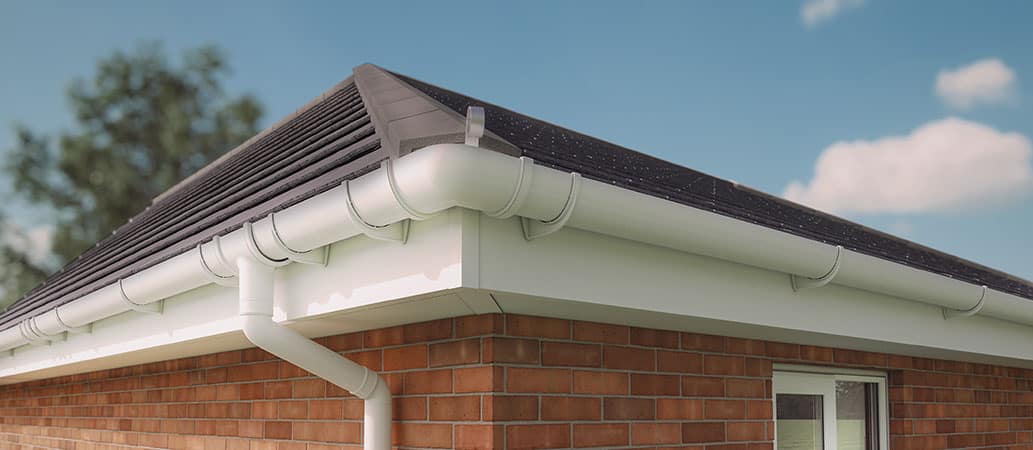
Fascias are the horizontal boards that run along the edge of a roof, acting as a cap for the ends of rafters. They play a vital role in providing structural assistance to the roofline while also providing visual appeal. uPVC fascias are made from a plastic-based material that is both weather-resistant and low maintenance, making them a popular alternative to standard wooden fascias.
Advantages of uPVC Fascias
When considering fascias for your home, uPVC provides numerous advantages:
| Benefit | Description |
|---|---|
| Toughness | uPVC is resistant to rot, warping, and bug damage, guaranteeing a long life expectancy compared to wood. |
| Low Maintenance | Unlike wood, uPVC does not need to be painted or stained and can be quickly cleaned with soap and water. |
| Weather Resistance | uPVC fascias are resistant to moisture, making them perfect for areas with heavy rains or humidity. |
| Aesthetic Appeal | Readily available in different colors and finishes, uPVC fascias can complement any architectural design. |
| Cost-Effective | Long-lasting cost savings on maintenance and replacement make uPVC an economical option. |
| Eco-Friendly Options | Some producers use recycled uPVC choices, promoting sustainability in building and construction products. |
Installation of uPVC Fascias
Tools Required
Before starting the Expert Soffit Installation of uPVC fascias, gather the following tools:
- Measuring tape
- Level
- Hammer
- Screwdriver
- Circular saw or hand saw
- Safety goggles
- Ladder
Step-by-Step Guide
Step the Area: Use a measuring tape to determine the length of the fascia boards required.
Purchase the Right Materials: Select uPVC fascias that match your aesthetic and practical requirements. Ensure you've got enough length and complementary devices (like brackets and end caps).
Eliminate Old Fascias (if relevant): If you're changing existing fascias, thoroughly eliminate them using the hammer and screwdriver. Be cautious not to harm the roofline or underlying structures.
Prepare the Fascia Board: Cut the uPVC fascia to the required lengths, ensuring clean edges for a neater fit.
Install the Fascia Board: Position the Fascia And Soffit Experts board along the roofline. Secure it in location with screws, guaranteeing it is level Soffit And Cladding adequately connected to the rafters.
Completing Touches: Install any additional devices such as end caps or corner pieces to offer a finished appearance. Ensure all joints are sealed to prevent wetness ingress.
Clean Up: Dispose of any debris and clean the location to ensure a neat work space.
Installation Tips
- Always consult regional building codes and guidelines before beginning the task.
- If unsure about installation, consider working with a professional.
- Use aluminum or stainless-steel screws to resist rust.
Maintenance of uPVC Fascias
Among the main advantages of uPVC fascias is their low maintenance requirements. However, regular checks and cleansings can lengthen their life-span:
Routine Maintenance Checklist
| Task | Frequency |
|---|---|
| Visual Inspection | Annually |
| Cleaning up | Bi-annually |
| Check for Damage | Yearly |
| Sealant Inspection | Every couple of years |
Cleaning Your uPVC Fascias
- Use a soft cloth or sponge with warm, soapy water.
- Prevent abrasive cleaners, as they can scratch the surface area.
- Wash thoroughly with water to remove soap residue.
FAQ About uPVC Fascias
1. For how long do uPVC fascias last?
uPVC fascias can last between 20 to 30 years or more, depending upon the quality of the material and environmental conditions.
2. Can uPVC fascias be painted?
While it is not required to paint uPVC fascias, if wanted, you need to utilize specially developed paint designed for plastic surfaces.
3. What colors are offered for uPVC fascias?
uPVC fascias are readily available in a large variety of colors, including white, black, and wood grain surfaces to match the visual of your home.
4. Are uPVC fascias eco-friendly?
Yes, many makers use recycled uPVC products, and the longevity of uPVC fascias reduces the requirement for replacements, contributing to sustainability.
5. How do I know if my fascias need changing?
Indications that fascias might require replacing include visible sagging, splitting, or staining. If there is water damage or rot, instant action needs to be taken.
Picking uPVC fascias for your home can substantially improve both its structural integrity and aesthetic appeal. With their sturdiness, low maintenance, and modern designs, uPVC fascias stand apart as an outstanding investment for property owners. Proper installation and regular maintenance can extend their life expectancy, making them a practical and cost-effective solution for any residential or commercial property. Whether you're constructing a brand-new home or renovating an existing one, consider the advantages that uPVC fascias can bring to your living environment.












