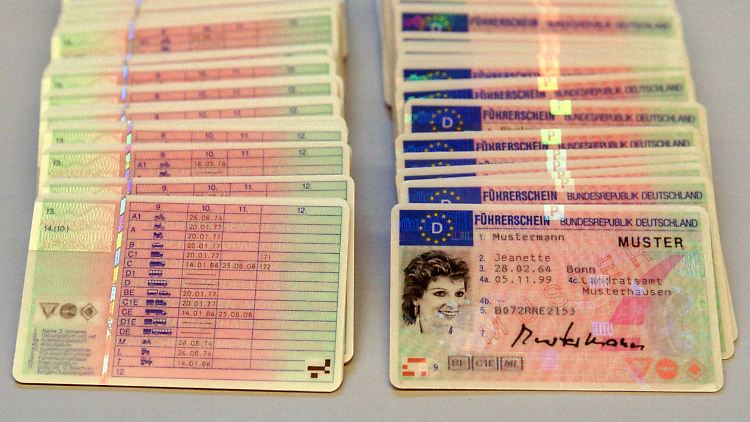
A Comprehensive Guide to the German Driving License Application Process
Acquiring a driving license is a necessary action for Günstiger deutscher Führerschein anybody wanting to navigate the roadways of Germany, whether for individual pleasure, travelling to work, or taking a trip. The German driving license application procedure can appear daunting due to the various requirements and Deutschen führerschein kaufen policies, especially for those unfamiliar with the system. This blog post aims to break down the application procedure into workable sections, supplying important insights, tables, and a thorough FAQ section to help applicants confidently deal with each action.
Understanding the German Driving License
Germany offers various classes of driving licenses, with the most typical being Class B, which enables the holder to run traveler lorries. Other classes include A (motorbikes), C (trucks), and D (buses). It is crucial for candidates to determine which class they require based on their driving intents.
Types of Driving Licenses in Germany
| License Class | Vehicle Type | Minimum Age |
|---|---|---|
| A | Bikes (over 125cc) | 24 (or 20 with 2 years A2 experience) |
| A2 | Motorcycles (approximately 400cc) | 18 |
| B | Guest lorries (up to 3.5 lots) | 18 |
| C | Trucks (over 3.5 tons) | 21 |
| D | Buses | 24 |
Steps to Apply for a German Driving License
1. Identify Eligibility
Before using, possible prospects need to guarantee they satisfy certain eligibility criteria:
- Minimum age requirement
- Legal residence in Germany
- Legitimate identity evidence (passport or EEA nationwide ID)
- Proficiency in German (reading and understanding)
2. Choose the Right Driving School
Finding a credible driving school is vital. Research study regional schools, considering aspects such as:
- Course costs
- Schedule of lorries
- Instructor credentials
- Student evaluates
3. Collect Necessary Documents
When applying for a driving license, candidates should prepare the following files:
| Document | Description |
|---|---|
| Identity proof | Passport or national ID |
| Residence authorization | Proof of legal home in Germany |
| Eye test certificate | Confirmation of visual acuity from an optician |
| Emergency treatment course certificate | Evidence of completion of an emergency treatment course |
| Biometric picture | Recent passport-sized photo |
4. Register in a Driving School
Once the necessary documents are gathered, Günstiger deutscher Führerschein the next step is to enroll in a driving school. The registration process normally involves:
- Filling out an application kind
- Paying the registration fee
- Setting up a schedule for Informationen zum Deutschen Führerschein theoretical and useful lessons
5. Theoretical Instruction
Driving schools provide theoretical classes where candidates learn more about traffic indications, guidelines, and driving policies. The theoretical examination covers numerous subjects, consisting of:
- Traffic laws
- Lorry operation
- Ecological considerations
- Emergency treatment
Prospects should pass this examination before they can advance to practical driving lessons.
6. Practical Driving Lessons
After successfully finishing the theoretical portion, candidates take useful driving lessons. These sessions typically include:
- Basic automobile handling
- Driving in various weather condition conditions
- Night driving
- Highway and urban driving
The variety of lessons required can vary, but on average, trainees might require between 20 to 40 hours of driving instruction.
7. Passing the Driving Tests
Theoretical Exam
The theoretical test typically consists of multiple-choice questions. Prospects must accomplish a minimum score to pass.
Practical Exam
The practical driving test is performed by an official examiner. Prospects need to show their driving skills, road awareness, and adherence to traffic laws. Passing the practical test is necessary to get the driving license.
8. Getting the Driving License
Once both tests are successfully completed, prospects can request their driving license at the local driving license authority (Fahrerlaubnisbehörde). The following is needed:
- Completed application
- All paperwork formerly gathered
- Payment of processing fees
9. License Issuance
After processing, which can take anywhere from a few days to numerous weeks, prospects will get their German driving license.
Typical FAQs About the German Driving License Application
1. How long does the whole procedure take?
The process can draw from a couple of months to over a year, depending upon individual circumstances, such as the time required to finish lessons and schedule exams.
2. What is the expense of obtaining a German driving license?
The expense differs widely based on the driving school and area but typically varies from EUR1,500 to EUR3,000, including lessons, exams, and additional costs.
3. Can I transform my foreign driving license to a German one?
Yes, residents from specific countries can transform their foreign licenses without taking further tests, while others might need to finish both theoretical and practical exams.
4. How lots of driving lessons do I require?
While there is no set number, the majority of learners require between 20 to 40 driving lessons before they are sufficiently prepared for the useful exam.
5. What if I fail the driving tests?
Prospects can retake the tests, although there may be waiting periods and additional costs involved.
6. What should I do if my license is lost or taken?
Instantly report the loss or theft to the authorities and request a replacement at your local driving license authority.
Navigating the German driving license application procedure may appear complex, but by following these detailed actions and making sure that all documentation and preparations are in order, candidates can accomplish their goal of becoming certified drivers. As they start this journey, it is essential to remain arranged and patient-- the rewards of freedom and mobility on Germany's roads await those who persevere.