

Understanding Guttering: A Comprehensive Guide
Guttering is a necessary component of any building's drainage system, playing an essential function in securing the property from water damage. Correctly set up and preserved gutters make sure that rainwater is effectively diverted away from the roof and Guttering specialists foundation, avoiding issues such as flooding, mold development, and structural damage. This post aims to provide a helpful summary of Guttering Repairs, consisting of types, materials, installation procedures, and the significance of regular maintenance.
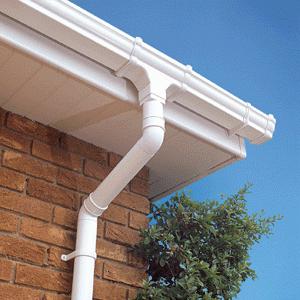
The Importance of Guttering
Gutters serve several crucial functions:
- Water Management: They carry rainwater far from the roof and foundation, decreasing the danger of pooling water.
- Avoiding Soil Erosion: Properly operating gutters avoid the soil around the structure from wearing down due to extreme water circulation.
- Safeguarding Landscaping: Gutters assist direct water away from flower beds and other landscaping features.
- Avoiding Structural Damage: By keeping water far from the building's foundation, gutters help to minimize the risk of cracks and settling.
Table 1: Common Problems Caused by Poor Guttering
| Issue | Description |
|---|---|
| Flooding | Excess water can pool around the structure, leading to flooding. |
| Mold Growth | Stagnant water can add to mold development in basements and attics. |
| Wood Rot | Water damage can cause wood to rot, possibly compromising the structure. |
| Landscape Damage | Overflowing gutters can erode soil and destroy landscaping features. |
| Ice Dams | In cooler climates, clogged gutters can lead to ice dams, causing additional damage. |
Types of Guttering
Gutters can be found in different types, each with its particular advantages and downsides. The main types include:
1. K-Style Gutters
- Description: This is the most typical kind of gutter, defined by a flat bottom and an ornamental front that resembles a crown.
- Material: Often made from aluminum, vinyl, or galvanized steel.
- Pros: Holds more water than other types and has a pleasing aesthetic.
- Cons: Can end up being clogged with debris more easily.
2. Half-Round Gutters
- Description: These gutters are semicircular and typically seen in historical homes.
- Product: Typically made from copper or aluminum.
- Pros: Their shape enables a smooth water flow, lowering the possibility of clogs.
- Cons: They normally have a lower capacity than K-style gutters.
3. Box Gutters
- Description: Built into the roofline, these gutters have a rectangular shape and can be more efficient in dealing with large volumes of water.
- Product: Usually made from metal or can be integrated into the roofing product.
- Pros: Less noticeable and can be more effective.
- Cons: More complex to install and maintain.
Table 2: Comparison of Gutter Types
| Gutter Type | Capability | Aesthetic Appeal | Maintenance Requirements | Expense |
|---|---|---|---|---|
| K-Style | High | High | Moderate | ₤ 3 - ₤ 10 per foot |
| Half-Round | Moderate | High | Moderate | ₤ 5 - ₤ 12 per foot |
| Box | High | Low to Moderate | High | ₤ 10 - ₤ 25 per foot |
Gutter Materials
The option of product is equally crucial when considering gutter installation. Common materials consist of:
- Aluminum: Lightweight and resistant to rust; readily available in various colors.
- Vinyl: Cost-effective and easy to set up however vulnerable to UV damage.
- Copper: Highly resilient and visually pleasing; however, it is more expensive.
- Steel: Strong and appropriate for heavy-duty applications but might rust without appropriate treatment.
Table 3: Gutter Material Comparison
| Material | Toughness | Cost | Aesthetic Appeal | Maintenance |
|---|---|---|---|---|
| Aluminum | Moderate | ₤ ₤ | High | Low |
| Vinyl | Low | ₤ | Moderate | Low |
| Copper | High | ₤ ₤ ₤ ₤ | Very High | Moderate |
| Steel | High | ₤ ₤ | Moderate | Moderate |
Installation Process
Setting up gutters needs mindful preparation and execution. Here's a general summary of the steps included:
- Planning: Measure the roofline and figure out the needed length of gutters.
- Choosing Materials: Select the type and material of the Gutter Repair system.
- Preparing the Site: Clear the location of any particles and prepare for installation.
- Cutting and Assembling: Cut the gutters to the desired lengths and assemble them with needed connectors.
- Mounting: Install hangers at proper periods to protect the gutters to the fascia board.
- Downspouts: Attach downspouts to assist water far from the foundation.
- Evaluating: Once set up, evaluate the system by running water through it to examine for appropriate circulation.
Maintenance Tips
Regular maintenance is necessary to ensure the durability and function of gutters. Here are some suggestions:
- Clean Regularly: Remove leaves, twigs, and particles a minimum of two times a year.
- Inspect for Damage: Check for rust, fractures, or detachment from the house.
- Make Sure Proper Slope: Gutters ought to slope far from your home to facilitate drainage.
- Inspect Downspouts: Make sure downspouts are directing water away from the structure.
Frequently asked questions about Guttering
Q1: How typically should I clean my gutters?
A: It is suggested to clean your gutters a minimum of twice a year, ideally in the spring and fall. If you have overhanging trees, you may need to clean them more often.
Q2: How can I inform if my gutters require to be changed?
A: Signs that your gutters need replacement consist of sagging, rust, fractures, and constant obstructing. If they are more than 20 years old, it might be time to think about a replacement.
Q3: Can I install gutters myself?
A: While DIY installation is possible, it requires a mutual understanding of the process and tools. Employing a professional may conserve time and ensure correct installation.
Q4: What is the average cost of gutter installation?
A: The expense can differ commonly based upon products and labor, usually ranging from ₤ 3 to ₤ 25 per foot depending upon the type and complexity of the installation.
Q5: Do I require to install gutter guards?
A: While not obligatory, gutter guards can lower the frequency of cleaning by avoiding particles from going into the gutters.
Guttering is an essential aspect of home maintenance that needs mindful factor to consider of types, materials, and regular upkeep. Investing in a good gutter system not just safeguards your property however likewise improves its worth. Understanding the importance of gutters, in addition to appropriate maintenance practices, can save house owners from substantial costs connected to water damage down the line. Whether you select to manage installations yourself or employ a Professional Gutters, guaranteeing your gutter system remains in top shape is crucial for maintaining your home.












