

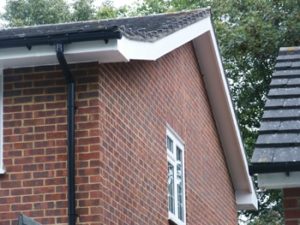
Understanding Roofline Replacement: Essential Insights for Homeowners
Roofline Replacement Fascia Boards is an important aspect of home maintenance that typically gets neglected up until it's far too late. A well-kept roofline not only improves the aesthetic appeal of a home however also plays an essential function in general structural integrity and energy performance. This post aims to offer homeowners with a comprehensive understanding of roofline replacement, its significance, the costs involved, and how to effectively preserve it.
What is Roofline Replacement?
Roofline replacement describes the procedure of changing the roofline elements of a building, consisting of the fascia, soffits, bargeboards, and gutters. These elements are vital for directing water away from the building, preventing water damage, and making sure proper ventilation in the attic space. In time, these components can degrade due to weather exposure, age, or insect invasions, necessitating replacement.
Significance of Roofline Replacement
Avoiding Water Damage: A jeopardized roofline can cause leaks and water pooling, which can damage ceilings, walls, and insulation.
Enhancing Energy Efficiency: Properly set up and insulated rooflines assist in maintaining ideal attic temperature levels, reducing heating & cooling costs.
Curb Appeal: A visually enticing roofline can improve the general aesthetic of the home, potentially increasing residential or commercial property worth.
Bug Prevention: Replacing harmed roofline elements prevents bugs from getting in the home, keeping problems at bay.
Enhanced Ventilation: Properly created soffits and vents enable appropriate air flow in the attic, lowering moisture buildup.
Elements that Influence Roofline Replacement Costs
When considering a Roofline Services replacement, a number of elements can affect the total expense. Here's a breakdown:
| Factor | Description | Expense Range |
|---|---|---|
| Type of Material | The choice of products (uPVC, wood, aluminum) impacts costs considerably. | ₤ 3 - ₤ 35 per linear foot |
| Labor Costs | Professional installation can vary based upon the contractor's knowledge. | ₤ 50 - ₤ 100 per hour |
| Size of House | Bigger homes will naturally require more products and labor. | ₤ 1000 - ₤ 5,000 |
| Availability | Difficult-to-reach areas may sustain extra expenses for scaffolding. | Additional ₤ 200 - ₤ 800 |
| Condition | If existing structures need repair or reinforcement before replacement. | ₤ 300 - ₤ 2,000 |
Kinds Of Roofline Materials
Selecting the best material for your roofline is important for sturdiness and maintenance. Here's a list of typical products and their attributes:
uPVC (Unplasticized Polyvinyl Chloride):
- Pros: Durable, low maintenance, rot-resistant, affordable.
- Cons: Color might fade gradually.
Wood:
- Pros: Natural aesthetics, excellent insulation residential or commercial properties.
- Cons: Requires routine maintenance, susceptible to rot and insects.
Aluminum:
- Pros: Lightweight, corrosion-resistant, can be painted.
- Cons: More expensive compared to uPVC.
Vinyl:
- Pros: Easy to set up, Upvc Soffit low maintenance, weather condition resistant.
- Cons: May end up being fragile in severe temperature levels.
Actions in the Roofline Replacement Process
Replacing the roofline is a multi-step procedure that should be handled by professionals for the very best results. Here's a summary of the typical steps involved:
Assessment: Inspect the existing roofline for damage or wear.
Preparation: Clear the location around the home and established scaffolding if needed.
Elimination: Carefully eliminate the old roofline elements, ensuring no damage is caused to the surrounding structure.
Installation: Install brand-new products, making sure appropriate sealing and alignment.
Completing Touches: Paint or complete the new roofline components if necessary.
Examination: Conduct a last examination to make sure everything is correctly set up and functional.
Frequently Asked Questions (FAQ)
1. How typically should I replace my roofline?
- Roofline elements should be inspected every 5 years and changed when signs of wear or damage appear.
2. Can I change my roofline myself?
- While DIY projects are tempting, roofline replacement is often much better left to experts due to security concerns and technical knowledge needed.
3. How do I know if my roofline needs replacing?
- Look for signs of drooping, peeling paint, noticeable mold or mildew, and water discolorations inside the home.
4. What is the average life-span of roofline materials?
- uPVC: 20-30 years; Wood: 15-25 years; Aluminum: 30-50 years.
5. Does replacing the roofline increase my home's value?
- Yes, a brand-new, properly maintained roofline can boost curb appeal and boost home worth.
Roofline replacement is a vital aspect of home maintenance that must not be overlooked. By understanding the value of roofline parts, their materials, potential expenses, and the replacement procedure, house owners can make informed decisions to secure their financial investment. If the time has concerned evaluate your roofline, don't be reluctant to talk to a professional to ensure your home remains safe, efficient, and gorgeous for years to come.












