

Gutter Replacement: A Comprehensive Guide for Homeowners
Gutters serve a crucial function in maintaining the integrity of a home. They are designed to channel rainwater far from the roof and Affordable Gutters structure, protecting both from potential damage. In time, gutters can wear due to exposure to weather elements, debris build-up, or impact from falling branches. When this happens, gutter replacement ends up being needed. This short article digs into why gutter replacement is necessary, when to consider it, how to select the right products, and steps to take throughout the replacement procedure.
Why is Gutter Replacement Important?
Gutters safeguard your home by directing water away from vulnerable areas, avoiding a host of issues consisting of:
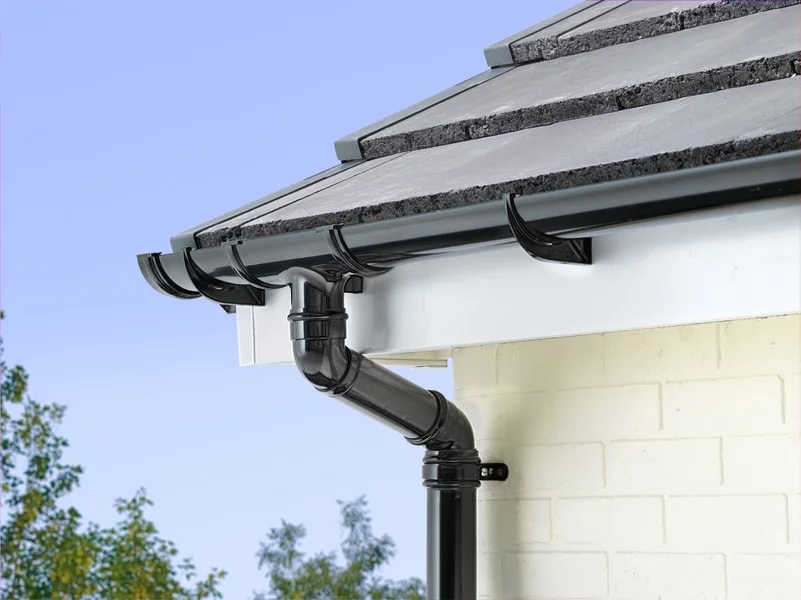
- Foundation Damage: Water pooling around the foundation can cause cracks and structural concerns.
- Roof Damage: Clogged Gutters or damaged gutters can force water to support under shingles, causing leaks.
- Basement Flooding: Improper drainage can result in moisture accumulation in basements.
- Landscaping Erosion: Overflowing gutters can remove soil and plants.
- Bug Infestations: Stagnant water can attract mosquitoes and other pests.
Indications You Need to Replace Your Gutters
Recognizing the indications of gutter damage early can save house owners from costly repairs. Here are some indications that it might be time for a gutter replacement:
| Signs of Gutter Damage | Description |
|---|---|
| Fractures or Splits | Visible breaks or splits in the gutter body. |
| Sagging or Pulling Away | Gutters that hang away from the home. |
| Rust or Corrosion | Signs of rust on metal gutters suggest failure. |
| Peeling Paint | Paint peeling on fascia boards may suggest water damage. |
| Overflowing Gutters | Water overflows during rain, indicating obstructions. |
| Mold or Mildew | Existence of mold growth in the basement or on walls. |
Picking the Right Gutter Material
When changing gutters, the choice of material substantially affects the durability, appearance, and cost. Here are the most typical products used for gutters:
| Material | Pros | Cons | Cost (per linear foot) |
|---|---|---|---|
| Aluminum | Lightweight, rust-resistant, affordable. | Can be dented quickly, might fade gradually. | ₤ 3 - ₤ 5 |
| Vinyl | Lightweight, easy to install, no rust. | Can become brittle in winter, restricted color alternatives. | ₤ 2 - ₤ 4 |
| Steel | Very durable and strong. | Prone to rust if not layered, heavier than other choices. | ₤ 4 - ₤ 8 |
| Copper | Extremely long lasting, beautiful patina. | Expensive, needs professional installation. | ₤ 15 - ₤ 25 |
| Zinc | Lasting and corrosion-resistant. | Greater cost, restricted availability. | ₤ 10 - ₤ 15 |
The Gutter Replacement Process
Changing gutters is a multi-step procedure that needs cautious planning and execution. Here are the steps generally involved:
1. Examine the Existing System
Before starting the replacement, check the current gutters for damage and identify the areas needing attention. Take measurements for brand-new gutters.
2. Choose the Right Material
Based upon your budget plan, visual choices, and local environment, pick the product that best fits your requirements.
3. Collect Tools and Materials
Guarantee you have all necessary tools and products, consisting of:
- Ladder
- Safety goggles
- Screwdriver
- Gutter brackets and hangers
- New gutters and downspouts
- Sealant (for joints)
4. Remove Old Gutters
Thoroughly remove the existing gutters from the fascia board, ensuring not to damage the roofline.
5. Install the New Gutters
Start installing the new gutters starting at the most affordable point of the roof. Protect the gutters with brackets, ensuring they have a small slope towards the downspouts for correct drainage.
6. Add Downspouts
Install downspouts at points where water is most likely to stream off the roof. Ensure these are directed far from the structure.
7. Seal Connections
Use sealant to secure all joints and joints to prevent leaks.
8. Check for Proper Functionality
When set up, check the gutters with water to look for leakages and ensure proper flow.
Frequently Asked Questions About Gutter Replacement
Q1: How often need to I change my gutters?A1: The life expectancy of gutters varies by material. Usually, aluminum gutters last around 20 years, while copper gutters can last over 50 years if maintained correctly. Q2: Can I replace gutters myself?A2: Yes, homeowners with fundamental DIY abilities can replace gutters. However, it's recommended to employ professionals for complex setups or if you're uneasy operating at heights. Q3: How much does gutter replacement cost?A3: The expense depends on materials used, the size of your home, and local labor rates. Typically, homeowners can expect to pay between ₤ 1,000 and ₤ 2,500 for a complete gutter replacement. Q4: What is the Best Guttering time of year to change gutters?A4: Early spring or late fall is ideal, as weather are typically milder, enabling more secure and more efficient installations. Q5: How can I maintain my gutters to extend their lifespan?A5: Regularly clean gutters to remove leaves and debris, check for blockages, and inspect for indications of wear. Think about installing Gutter Guards [More Support] to minimize maintenance.
Gutter replacement is necessary for protecting one of the most significant investments in an individual's life-- their home. By acknowledging the signs of gutter damage, picking the ideal materials, and following a methodical approach to installation, homeowners can ensure their residential or commercial property remains safe from water damage. Regular maintenance and timely replacement will extend the life of your gutters, maintaining the structural stability and looks of your home. Whether carrying out a DIY task or employing Guttering Professionals, focusing on gutter health will settle in the long run.












