

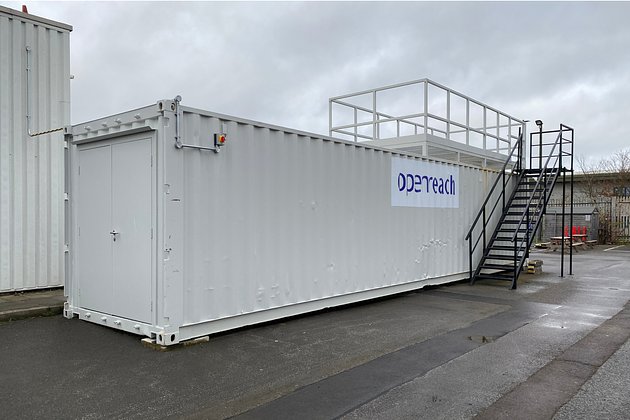
The Versatility of Shipping Container Modifications: A Comprehensive Guide
In the last few years, shipping containers have developed beyond their original purpose of transferring items throughout oceans. Today, these steel giants are being repurposed for a variety of uses varying from homes and offices to retail spaces and farming centers. The trend of customizing shipping containers has gotten significant traction, thanks to their inherent sturdiness, cost-effectiveness, and flexibility. This post dives into the various modifications that can change a basic shipping container into a totally practical space tailored to particular needs.
Why Choose Shipping Container Modifications?
Before diving into the specifics of modifications, it is essential to comprehend why shipping containers are an enticing option:
Affordability: Compared to standard construction, shipping container modifications can save significant expenses.
Resilience: Made from steel, these containers can hold up against harsh climate condition, making them perfect for long-lasting projects.
Eco-Friendly: Repurposing shipping containers is a sustainable option, decreasing waste and conserving resources.
Portability: Shipping containers can be quickly moved, using versatility for businesses and jobs that require mobility.
Table 1: Key Advantages of Shipping Container Modifications
| Advantage | Description |
|---|---|
| Cost-Effectiveness | Lower construction expenses compared to conventional structures |
| Sturdiness | Resistant to aspects, bugs, and fire |
| Eco-Friendliness | Sustainable usage of resources |
| Versatility | Functional for different applications (homes, offices, shops) |
| Mobility | Quickly easily transportable to different places |
Popular Modifications for Shipping Containers
The modifications offered for shipping containers are as varied as the needs they fulfill. Below is a list of some of the most common modifications:
Cut-Out Windows and Doors: Adding doors and windows enables natural light to flood the space and offers required gain access to points.
Insulation and Climate Control: Proper insulation and HVAC systems turn an otherwise metal box into a comfortable living or working environment.
Electrical and Plumbing Installations: Adding circuitry and pipes enables the container to function like a standard building, total with energies.
Interior Finishing: Walls, flooring, and ceilings can be tailored to achieve the desired aesthetic of any area.
Roofing Modifications: A sloped roofing system or extra skylights can improve drain and provide a more appealing outside.
Stacking and Joining: Containers can be stacked or bonded together to develop larger spaces, suitable for homes or big retail areas.
Table 2: Common Modifications and Their Benefits
| Modification | Benefits |
|---|---|
| Cut-Out Windows and Doors | Enhances natural light and availability |
| Insulation and Climate Control | Enhances comfort and energy performance |
| Electrical/Plumbing Installations | Practical utilities for day-to-day use |
| Interior Finishing | Individualized visual appeals and convenience |
| Roofing Modifications | Improved drain and visual appeal |
| Stacking and Joining | Expands functional space and design possibilities |
Examples of Shipping Container Uses
The variety of applications for modified shipping containers continues to widen. Below are some notable usages:
Residential Homes: Container homes have ended up being a popular option for those seeking sustainable and affordable housing.
Pop-Up Retail: Businesses are making use of containers as short-term retail spaces, ideal for pop-up stores or seasonal markets.
Workplaces: Companies are increasingly embracing containers for mobile or short-term office solutions.
Workshops and Studios: Artists and craftsmen often convert containers into workshops or studios, supplying an apart and focused location for imagination.
Dining establishments and Cafes: Food entrepreneurs are taking advantage of the special style of container modifications for stylish dining experiences.
Table 3: Unique Applications of Modified Containers
| Application | Description |
|---|---|
| Residential Homes | Environment-friendly housing solutions |
| Pop-Up Retail | Short-term buy seasonal or event-based sales |
| Mobile Offices | Quick-to-setup workplace |
| Workshops and Studios | Creative areas away from distractions |
| Dining establishments and Cafes | Unique dining experiences in an elegant setting |
Frequently Asked Question About Shipping Container Modifications
Q1: Are shipping container modifications sustainable?
Yes, utilizing shipping containers for modification is thought about a sustainable practice. It repurposes existing products, therefore minimizing construction waste and conserving natural resources.
Q2: What permits are needed for container modifications?
The authorizations needed differ by place and intended use. Normally, a structure authorization is required, and it is suggested to consult local zoning laws to figure out specific requirements.
Q3: How long do shipping containers last?
When effectively preserved, shipping containers can last for over 25 years. Routine upkeep such as inspecting for rust and sealing leaks is essential.
Q4: Can I finance a shipping container modification project?
Many financial organizations provide loans specifically for acquiring and modifying shipping containers. It's a good idea to consult your bank for their specific offerings.
Q5: How do I pick the right modifications for my project?
Understanding your requirements and the meant usage of the container is essential. Consulting with a professional designer experienced in container modifications can help identify the ideal modifications.
Shipping container modifications offer an innovative service for different needs-- whether for domestic, business, or recreational purposes. Their flexibility, cost-effectiveness, and sustainability make them a significantly attractive choice in today's construction landscape. With the ability to tailor and adjust these containers to satisfy specific requirements, it's clear that the capacity for shipping container modifications is large and ever-evolving. As this pattern grows, so too will the creative possibilities for how we use these robust structures.












