

Fascia and Soffit Upgrades: Enhancing Your Home's Aesthetics and Functionality
When it pertains to boosting a home's exterior, numerous property owners often concentrate on walls, roof, or landscaping. Nevertheless, one area that is worthy of equivalent attention is the fascia and soffit systems. Upgrading these components can considerably impact a home's curb appeal and functionality, providing advantages such as improved ventilation, defense from the elements, and aesthetic enhancements. This blog post explores the value of fascia and soffit upgrades, the products available, and answers often asked concerns.
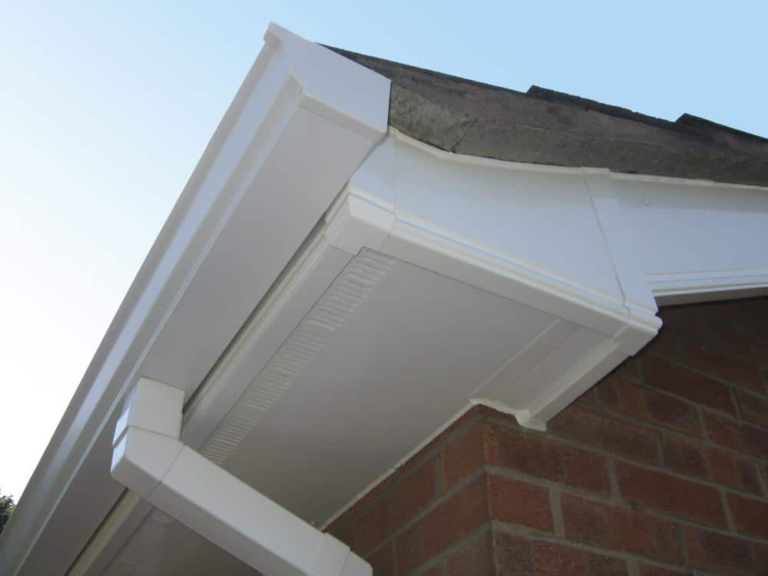
What Are Fascia and Soffits?
Fascia
Fascia is the horizontal board that runs along the edge of a roofing system. It serves as a barrier in between the roofing's edge and the components, safeguarding the underlying structures. In addition to its protective function, fascia likewise offers a finished seek to a home's outside.
Soffit
Soffit is the material that covers the underside of the roofing system overhang. Frequently found beneath the eaves, Replacement Soffit Boards helps in aerating the attic area, preventing the accumulation of wetness that can cause mold and structural damage.
| Element | Definition | Function |
|---|---|---|
| Fascia | A horizontal board that caps the roofing's edge | Secures underlying structures, boosts curb appeal |
| Soffit | Material covering the underside of the roofing overhang | Makes it possible for ventilation, prevents moisture buildup |
The Importance of Upgrading Fascia and Soffits
Upgrading fascia and soffits can offer numerous benefits, consisting of:
1. Improved Aesthetics
- Modern Appearance: New Fascia And Soffit Company and soffits can drastically enhance a home's outside look, offering a modern-day touch that can increase property worth.
- Color and Material Options: Upgrading permits property owners to pick from a variety of products and colors that can match or complement their existing outside design.
2. Enhanced Protection
- Weather Resistance: High-quality materials can resist weather damage, lowering the requirement for repairs.
- Bug Prevention: Properly set up fascia and soffits can prevent birds and bugs from nesting in your eaves.
3. Much better Ventilation
- Wetness Control: Effective ventilated soffits assist control temperature levels in the attic, decreasing the likelihood of mold and mildew.
- Energy Efficiency: Proper ventilation can improve energy performance by decreasing the load on HVAC systems.
Popular Materials for Fascia and Soffits
When updating fascia and soffits, various products are available, each using various benefits.
| Product | Pros | Cons |
|---|---|---|
| Vinyl | Low maintenance, weather-resistant | Can fade gradually |
| Aluminum | Long lasting, lightweight, rust-resistant | Can damage, may require repainting |
| Wood | Natural look, adjustable | Requires regular maintenance |
| Fiber Cement | Very durable, fire-resistant | Much heavier and may be more costly |
Selecting the Right Material
The option of product typically boils down to aesthetic choices, climate factors to consider, and budget restrictions. For instance, vinyl might appropriate for a low-maintenance option, while wood might be picked for a more standard look.
Actions to Upgrade Fascia and Soffits
Updating fascia and soffits can be a simple process, offered property owners follow these steps:
Step 1: Assess Current Condition
Take a look at the existing fascia and soffits for signs of damage or decay. Search for peeling paint, soft areas in wood, or indications of bug intrusion.
Action 2: Choose New Materials
Select materials that line up with your visual choices, climate, and budget. Think about elements like color, texture, and exposure to moisture.
Step 3: Prepare for Installation
Collect essential tools and products, including safety equipment, flashing, nails, and caulk. If you're working with professionals, obtain quotes and set up a convenient time for work.
Step 4: Remove Old Fascia and Soffits
Thoroughly eliminate the existing fascia and soffits, making sure not to damage the underlying structural aspects. This might need making use of crowbar and saws.
Step 5: Install New Components
Install the new fascia and soffit beginning with one end to the other, ensuring that whatever is level and effectively ventilated.
Step 6: Finishing Touches
Seal any joints with caulk to avoid moisture intrusion and paint or end up the fascia for added defense and aesthetics.
FAQ
What is the typical expense of upgrading fascia and soffits?
The cost differs based on materials, labor, and location. Typically, homeowners can anticipate to pay between ₤ 1,500 to ₤ 3,500 for a total upgrade.
How frequently should fascia and soffits be changed?
Usually, properly maintained materials can last 20 years or more. Nevertheless, it's necessary to examine them frequently for indications of wear or damage.
Can I install fascia and soffits myself?
While DIY installation is possible for helpful homeowners, employing experts is suggested for those unknown with building practices to make sure correct installation and avoid prospective issues.
What are the indications that I require to upgrade my fascia and soffits?
Try to find rot, peeling paint, sagging, or visible pests. If you notice moisture accumulation in your attic or ice dams in winter season, it might also suggest inadequate ventilation.
Updating fascia and soffits is an often-overlooked element of home improvement that can considerably improve a residential or commercial property's aesthetic appeal and performance. With a variety of products and styles offered, homeowners have the versatility to choose that fit their individual preferences and environmental requirements. By taking proactive actions to assess and upgrade these components, house owners can not only enhance their home's appearance but likewise protect their financial investment for years to come.












