

Window Safety: Protecting Your Home and Family
Windows are important features of any home, supplying light, ventilation, and aesthetics. Nevertheless, they can likewise position safety threats, specifically for children and pets. Understanding window safety is crucial for each property owner. This blog site post will check out window safety procedures, kinds of windows, potential risks, and useful steps to enhance security in your home.
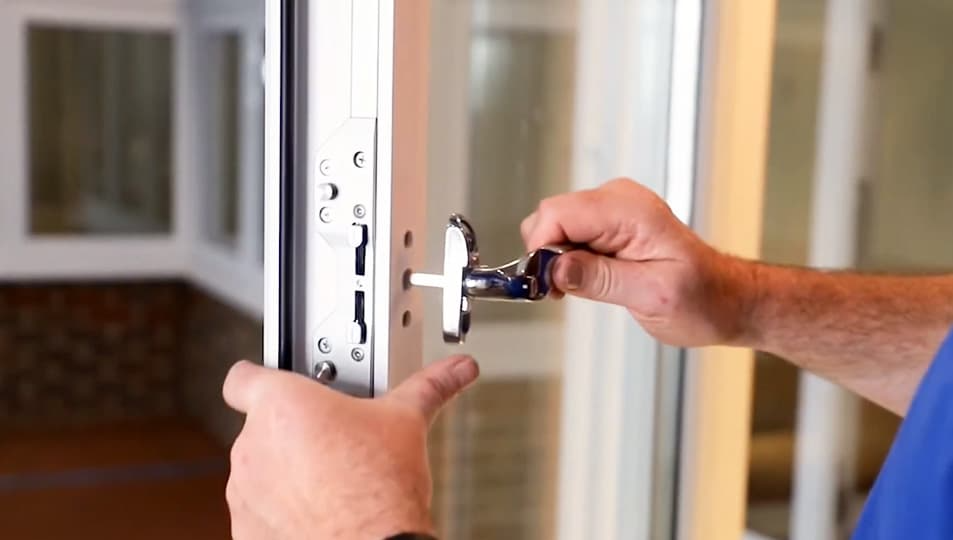
Understanding Window Safety
Window security includes various steps and preventative measures designed to prevent mishaps and injuries connected with windows. These security practices are essential to secure vulnerable members of a home, including kids, animals, and even elderly residents.
Why is Window Safety Important?
- Avoid Accidental Falls: Unsecured windows can result in major falls, specifically in multi-story homes.
- Lower Risk of Break-Ins: Properly protected windows can deter burglars and intruders.
- Make Sure Safe Ventilation: Correctly opening and closing windows can prevent injury from abrupt closures.
Typical Window Hazards
| Hazard | Description |
|---|---|
| Falls | Kids leaning or climbing up near open windows. |
| Glass Breakage | Unintentional breakage causing cuts or injuries. |
| Security Risks | Unsecured windows that can be easily accessed by burglars. |
| Window Blind Strangulation | Cables on blinds and shades positioning strangulation risks for kids. |
Types of Windows and Their Safety Features
There are numerous kinds of windows, each with special security functions and factors to consider:
| window lock specialists Type | Description | Security Features |
|---|---|---|
| Sash Windows | Hinged at the side and open outward. | Safe and secure locking systems and less spaces to fall through. |
| Double-Hung Windows | Two sashes that slide vertically. | Interior stops and locks to prevent unintentional opening. |
| Moving Windows | Operate on a track and slide horizontally. | Locking systems and stoppers to limit motion. |
| Awning Windows | Hinged on top and open outside. | High position makes them less available to children. |
| Photo Windows | Repaired and do not open. | Shatter-resistant glass choices offered. |
Practical Safety Measures for Window Safety
To boost window lock inspection safety in your home, consider executing the following measures:
1. Set Up Window Guards
Window guards are gadgets that prevent windows from opening more than a couple of inches. They are specifically essential in homes with small children. Search for adjustable models that can be installed quickly and satisfy safety standards.
2. Use Window Stops
Window stops limitation how far a window can open. They can be especially reliable for double-hung and sliding windows, guaranteeing that they just open a particular distance.
3. Protect Cords on Blinds
Blinds with long, dangling cables can present a strangulation threat. Think about cordless choices or use cable cleats to secure the cables out of reach of kids.
4. Educate Children
Teach kids that windows are not play locations. Explain the risks of leaning against or cheap lock Repair climbing near open windows. Supervision is key when children are near windows.
5. Regular Maintenance
Keep windows in great repair. Routinely look for damaged locks, harmed screens, and any indications of wear. Make sure that window systems are practical to avoid unintentional openings.
6. Use Shatterproof Glass
Consider installing shatterproof glass or window movies that hold glass fragments together in case of breakage. This step is especially crucial for homes in high-risk areas for storms or natural disasters.
FAQ Section
1. At what age can children safely be around open windows?
Kids need to be monitored around open windows, especially those under the age of 5. It's important to implement security steps as soon as children start to move and explore.
2. What should I do if my window does not lock appropriately?
If your window is not locking correctly, prevent utilizing it up until repairs are made. Examine for misalignment, particles, or damage in the locking system. Seek advice from a professional if repair work are needed.
3. Are window guards safe for fire escape?
Window guards need to be easily removable in case of an emergency. Choose models that adhere to local security regulations and guarantee all relative know how to remove them if needed.
4. How typically should I inspect my windows?
It's recommended to check your windows a minimum of once a year, or more regularly if you live in a location vulnerable to severe weather condition. Routine maintenance will help capture issues before they become major.
5. What are some indications that I require to replace my windows?
Try to find signs such as drafts, condensation between panes, or difficulty opening and closing. If your windows are more than 20 years old, think about an assessment for replacements.
Window safety is an important aspect of home security that should not be ignored. By implementing preventive steps, homeowners can considerably lower the risk of accidents and create a safer living environment for their households. Routine maintenance, informed options regarding window lock maintenance types, and education about the prospective threats can all add to improved fixing window locks security. It's important to bear in mind that safety is an ongoing commitment; taking these steps now can secure your liked ones for several years to come.












