

Understanding Condensation in Windows: Causes, Solutions, and Prevention
Condensation in windows is a common phenomenon, particularly in environments with considerable temperature changes. This article intends to delve deep into the causes of condensation, its ramifications, and efficient techniques of prevention and control. Whether you are a homeowner, occupant, or simply curious about this issue, understanding condensation can empower you to take effective action.
What is Window Condensation?
Condensation happens when water vapor in the air cools and becomes liquid water. This phenomenon is especially visible on windows, as the glass surface areas can get significantly cooler than the interior air, specifically throughout chillier months.

Table 1: Understanding Condensation
| Term | Meaning |
|---|---|
| Condensation | The process of water vapor turning into liquid water when it enters contact with a cooler surface area. |
| Humidity | The amount of water vapor present in the air. |
| Dew Point | The temperature level at which air becomes saturated with moisture and water vapor condenses. |
| Thermal Insulation | Material that minimizes heat transfer, helping to preserve comfy indoor temperature levels. |
Reasons For Window Condensation
Several aspects contribute to the advancement of condensation on windows, including:
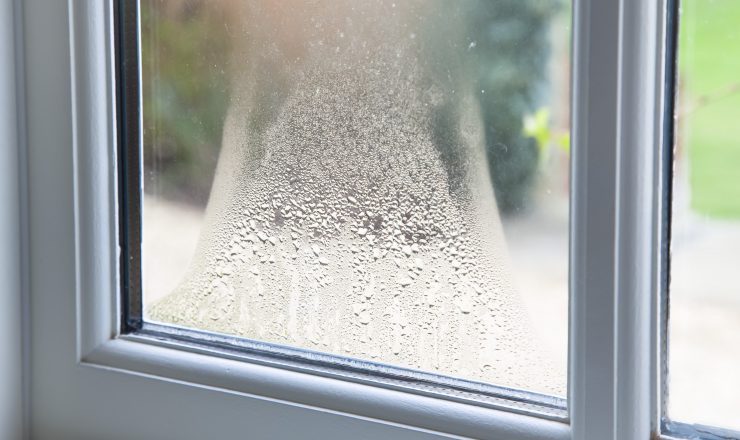
- High Indoor Humidity: Activities such as cooking, bathing, and drying clothing can considerably increase humidity levels within a home.
- Temperature Differences: Cold outdoor temperature levels can trigger windows to cool quickly, leading to condensation when warm, damp air meets the glass.
- Poor Insulation: Homes with insufficient insulation may experience greater condensation rates due to the cold air transferring through the walls to the glass.
- Ineffective Windows: Single-pane windows are more vulnerable to condensation than Misted Double Glazing Solutions or triple-glazed windows, which have better insulation residential or commercial properties.
Table 2: Common Causes of Window Condensation
| Cause | Description |
|---|---|
| High indoor humidity | Activities producing moisture boost humidity levels in indoor air. |
| Temperature distinctions | Cold temperature levels outside lead to cooler windows, promoting condensation. |
| Poor insulation | Insufficient insulating materials enable cold to transfer, increasing condensation. |
| Inefficient windows | Single-pane designs lack insulation, making them susceptible to condensation. |
The Implications of Condensation
While condensation may seem safe, it can cause numerous problems if left uncontrolled:
- Mold Growth: Excess moisture creates a perfect environment for mold to flourish, which can posture health dangers.
- Damage to Windows: Continuous condensation can weaken window frames and seals, resulting in expensive repairs.
- Decreased Energy Efficiency: Excess moisture can jeopardize insulation, leading to greater energy bills as heating or cooling systems work harder.
Solutions to Combat Condensation
To effectively manage and reduce condensation on windows, homeowners can adopt numerous strategies:
1. Control Indoor Humidity
- Set Fogged Up Windows a Dehumidifier: This helps regulate humidity levels, specifically in wet locations like basements.
- Ventilate Your Home: Use exhaust fans in bathroom and kitchens to eliminate excess moisture.
- Air Dry Wisely: If possible, dry clothing outdoors instead of inside to decrease humidity.
2. Improve Insulation
- Update to Double or Triple-Pane Foggy Windows Repair: These windows offer much better insulation, lowering condensation.
- Seal Ducts and Insulate Pipes: Ensure that heating ducts and pipes are well-sealed and insulated.
3. Use Storm Windows or Window Films
- Set Up Storm Windows: Adding a second layer of glass produces a buffer of air, decreasing heat loss and condensation.
- Apply Window Films: This can improve insulation without the need for window replacement.
4. Preserve Temperature Consistency
- Use Ceiling Fans: Circulate air in your home to distribute heat uniformly.
- Avoid Extreme Temperature Settings: Maintain a consistent temperature level, specifically throughout severe weather condition.
Table 3: Effective Solutions for Reducing Condensation
| Solution | How it Helps |
|---|---|
| Control indoor humidity | Decreases the moisture content in the air, consequently reducing condensation. |
| Enhance insulation | Much better insulation limitations temperature differences, reducing the possibilities of condensation. |
| Use storm windows or window movies | Helps preserve warmer window surfaces, minimizing the probability of condensation. |
| Maintain temperature level consistency | Guarantees that the air temperature is even, minimizing extreme distinctions that trigger condensation. |
Frequently Asked Questions (FAQ)
Q1: Is condensation on windows regular?
Yes, some quantity of condensation is typical, particularly during cooler months. However, extreme condensation can suggest underlying issues such as high humidity or bad insulation.
Q2: How do I understand if condensation is inside the window or in between panes?
If you notice condensation in between the panes of a double or triple-glazed window, it usually shows a broken seal, which usually needs Professional Window Repair repair or replacement. Condensation on the interior surface of the window can frequently be handled through humidity control.
Q3: Can I prevent condensation completely?
While you can considerably reduce condensation through numerous techniques, attaining 100% prevention may not be possible, specifically in areas with high humidity.
Q4: What should I do if I find mold due to condensation?
Address the mold right away by cleaning it with suitable cleansing solutions. Furthermore, concentrate on managing moisture levels and improving ventilation to avoid mold reoccurrence.
Condensation in windows is not simply a nuisance; it can lead to serious issues if left unaddressed. Comprehending the causes and carrying out preventive steps can conserve house owners from significant expenditures and health threats associated with mold and moisture damage. By taking proactive steps to handle indoor humidity, enhance insulation, and preserve temperature consistency, it is possible to keep windows clear and preserve a healthier indoor environment.
With the insights and solutions provided in this post, house owners can take informed actions to deal with condensation efficiently, guaranteeing a comfortable and safe living space.












