

Understanding UPVC Soffits: A Comprehensive Guide
When it concerns home building and construction and remodelling, homeowners often focus on noticeable locations such as doors, windows, and siding, while the elements that lie above them-- like soffits-- are frequently neglected. Soffits play an important role in both visual appeals and performance of a home's outside. Recently, UPVC (Unplasticized Polyvinyl Chloride) soffits have acquired popularity as a choice for numerous homeowners and contractors alike. This article looks into what UPVC soffits are, their benefits, installation, and maintenance, supplying an extensive understanding of this often-neglected aspect of home style.
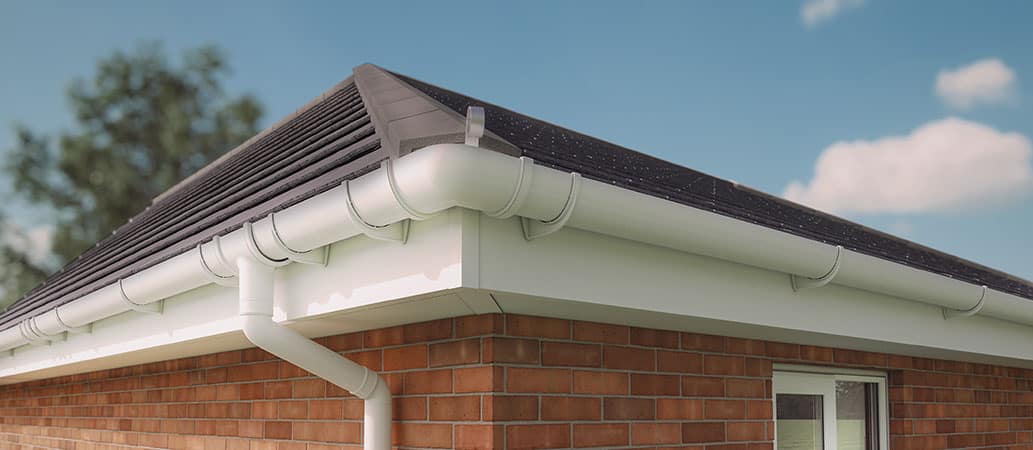
What are Soffits?
Soffits are the horizontal surfaces that connect the roofing overhang to the exterior wall of a home. They are typically located underneath the eaves, providing a finished look while also serving practical purposes, such as ventilation Fascia And Soffit Contractor moisture control.
Understanding UPVC Soffits
UPVC soffits are made from a kind of plastic that has actually been particularly developed for durability and weather resistance. Unlike standard wooden soffits, which are susceptible to rot, warping, and pest damage, UPVC offers a robust option for homeowners looking for long-lasting, low-maintenance products.
| Contrast Table: UPVC vs. Traditional Materials |
|---|
| Characteristic |
| Toughness |
| Maintenance |
| Expense |
| Resistance to Moisture |
| Insect Resistance |
| Installation Difficulty |
Advantages of UPVC Soffits
Resilience: UPVC is extremely resistant to chemicals, wetness, and UV rays, making it a perfect choice for various weather.
Low Maintenance: Unlike wood, which may require regular painting or sealing to avoid rot, UPVC soffits can be quickly cleaned up with a wet cloth and do not need repainting.
Visual Variety: UPVC soffits can be found in numerous colors and finishes, permitting house owners to attain the wanted appearance for their home. They can likewise be made to simulate wood grain if a more traditional appearance is preferred.
Energy Efficiency: UPVC soffits can help improve ventilation in the attic space, which can result in better energy efficiency and minimized heating Fascia And Soffit Repair cooling expenses over time.
Cost-Effectiveness: While the upfront expense of UPVC soffits may be a little higher than some standard products, the long-term savings on maintenance and replacement make them an economically sound financial investment.
Installation of UPVC Soffits
Setting up UPVC soffits can be a DIY task, however for those not comfortable with home enhancement jobs, hiring a professional is recommended. Below are the fundamental steps for installation.
Tools Needed:
- Measuring tape
- Level
- Cordless drill
- Screwdriver
- Saw (for cutting UPVC)
- Safety goggles and gloves
Actions:
- Measure the Area: Accurate measurements will make sure an appropriate fit for your UPVC soffits.
- Cut the UPVC Panels: Using a saw, cut the panels to the needed dimensions.
- Set Up Support Battens: Attach wooden battens to offer support and guarantee the soffit panels can be firmly secured.
- Fit the Panels: Insert the panels into the grooves of the battens, making sure a snug fit.
- Secure the Panels: Use screws to attach the panels, making sure they are level and aligned properly.
- End up with Trim: Complete the look by including trim around the edges for a sleek surface.
Maintenance Tips for UPVC Soffits
While UPVC is low-maintenance, some care can extend its life and keep it looking excellent:
- Regular Cleaning: Use a soft fabric or sponge with a moderate cleaning agent to clean the surfaces. Prevent abrasive cleaners that can scratch the finish.
- Inspect for Damage: Periodically examine the soffits for any indications of damage or loosening and resolve any problems immediately.
- Make sure Ventilation: Keep any ventilation openings clear of debris to ensure correct air flow and prevent wetness buildup.
Typical FAQs about UPVC Soffits
Q1: How long do Upvc Soffit soffits last?A: With
appropriate care and installation, UPVC soffits can last for 20 years or more without substantial wear and tear.
Q2: Can UPVC soffits be painted?A: Painting Upvc Fascias is not suggested, as it can harm the surface area and affect its toughness. However, they do can be found in numerous colors to match your home's outside. Q3: Are UPVC soffits environmentally friendly?A: UPVC is recyclable,and lots of makers are dedicated to sustainable supplier, however typically, property owners can expect to With the understanding of their benefits, installation, and maintenance, homeowners can make informed choices that improve their home's look and durability. As more property owners acknowledge the value of buying quality products, materials like UPVC are most likely to continue growing in popularity, cementing their location in modern-day construction and renovation practices.
practices, making it a more eco-friendly alternative compared to some traditional products. Q4: What is the cost of UPVC soffits?A: The cost can differ based on size, style, and the
pay in between ₤ 3 to ₤ 8 per square foot, consisting of installation. UPVC soffits are an outstanding investment for house owners looking for resilience, low maintenance, and aesthetic appeal.












