

The Ultimate Guide to the Best Guttering Solutions
When it comes to home maintenance, one of the most ignored yet important elements is the guttering system. Proper guttering makes sure that rainwater is successfully directed away from your home's roof and structure, avoiding considerable structural damage and protecting your home. In this substantial guide, we will look into the best guttering alternatives offered, the materials used, and what to consider when choosing the ideal system for your home.
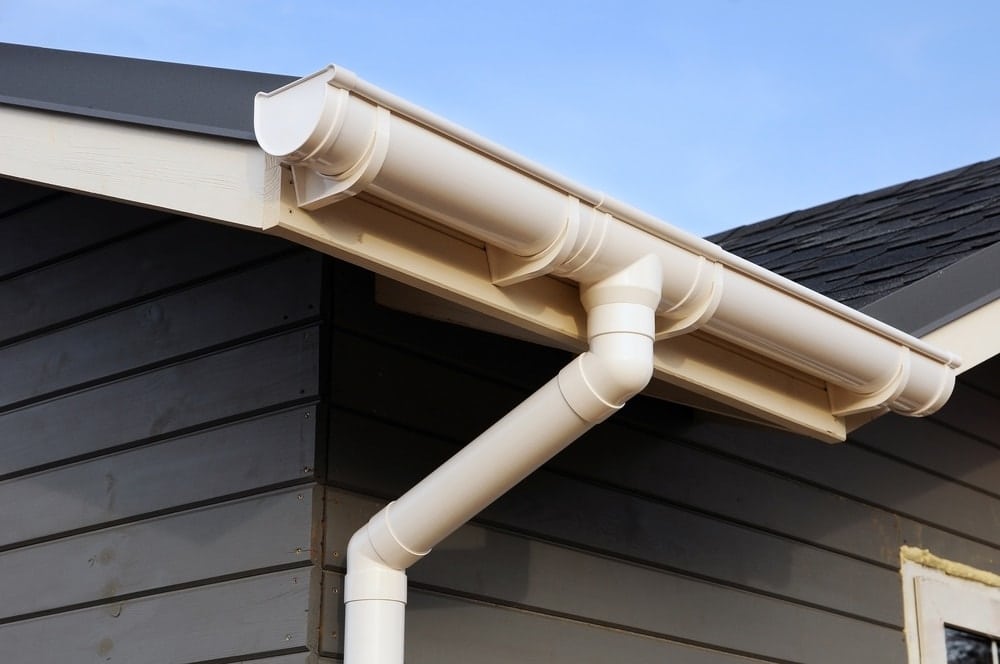
Comprehending Guttering
Before picking the best guttering system, it's essential to understand the different types of gutters and their functionalities. Guttering Contractors not only avoids water damage however also helps manage rainwater efficiently. Below are the main kinds of guttering systems:
Types of Guttering Systems
| Type of Gutter | Description | Pros | Cons |
|---|---|---|---|
| K-Style Gutters | Frequently utilized, has a flat bottom and decorative front edge. | Aesthetically pleasing, high capability. | Can be more challenging to tidy. |
| Half-Round Gutters | Semi-circular shape, traditionally used in older homes. | Timeless design, easy to tidy. | Lower capacity; might not fit contemporary visual appeals. |
| Box Gutters | Built-in gutters that are part of the roof structure. | Discreet, can handle big volumes of water. | More expensive to install, difficult to retrofit. |
| Fascia Gutters | Connected to the fascia board of your house. | Seamless appearance, less maintenance. | Minimal in capacity; might need frequent cleaning. |
Guttering Materials: A Closer Look
The material of your guttering system plays a substantial role in its performance and longevity. Here are some of the most common materials used for Top Guttering:
| Material | Description | Lifespan | Maintenance Needs | Cost Range |
|---|---|---|---|---|
| Aluminum | Lightweight, rust-resistant alternative. | 20-30 years | Low; periodic cleaning. | ₤ 3 to ₤ 7 per foot |
| Vinyl | Economical option, less resilient. | 10-20 years | Really low; easy to tidy. | ₤ 2 to ₤ 5 per foot |
| Copper | Premium product with an attractive look. | 50+ years | Medium; patina advancement. | ₤ 15 to ₤ 25 per foot |
| Steel | Strong and durable however prone to rust. | 10-20 years | High; needs routine maintenance. | ₤ 4 to ₤ 10 per foot |
Aspects to Consider When Choosing Guttering
When selecting the best guttering system for your home, several crucial aspects require factor to consider:
- Climate: Understanding your local environment is essential. Areas with heavy rains or snow will require durable, high-capacity gutters.
- Roof Design: The roof's slope and style can influence gutter option. Steeper roofs may need bigger gutters.
- Aesthetics: Choose a style and color that match your home's style.
- Budget plan: Consider both the initial expense and long-term maintenance expenditures.
- Installation: Some gutter systems are more complicated to set up than others. Professional installation might be essential for larger or more detailed systems.
Advantages and disadvantages of Different Guttering Systems
K-Style Gutters
Pros:
- High capability for rainfall.
- Versatile style options.
- Functions well for many home designs.
Cons:
- Can build up particles leading to clogs if not cleaned routinely.
Half-Round Gutters
Pros:
- Traditional and charming appearance.
- Simpler to preserve due to its shape.
Cons:
- Lower water capacity might not suffice for much heavier rains.
Box Gutters
Pros:
- Integrated into the roof style, supplying a seamless appearance.
- Outstanding for big residential or commercial properties or areas with heavy rain.
Cons:
- More costly than traditional gutters.
Fascia Gutters
Pros:
- Modern and streamlined appearance.
- Reduced visibility of the gutter system.
Cons:
- May need more regular cleaning.
The Importance of Gutter Maintenance
Regardless of the product or type chosen, maintenance is important for ensuring the durability and efficiency of your gutter system. Regular maintenance consists of:
- Cleaning debris and leaves.
- Looking for leakages or loose connections.
- Examining and fixing any damage.
- Making sure downspouts are clear and directed far from the foundation.
FAQ About Guttering Systems
1. How typically should gutters be cleaned up?
It is normally suggested to clean gutters at least two times a year. However, if you live in a location with many trees, more regular cleanings may be required.
2. What size gutters should I install?
The standard gutter size is generally 5 inches broad; nevertheless, bigger homes or those in heavy rainfall locations might benefit from 6-inch gutters.
3. Do I need to work with a professional for gutter installation?
While some property owners decide to set up gutters themselves, employing a professional makes sure appropriate installation and can prevent problems down the line.
4. Can I install seamless gutters myself?
While it is possible to set up seamless gutters as a DIY task, it requires customized devices. Hiring professionals can guarantee a perfect fit and prevent leaks.
5. How do I know if my gutters are working correctly?
Indications your gutters may not be working correctly include water pooling around the structure, water spots on siding, or noticeable sagging in the gutters themselves.
Buying the best guttering system is vital for maintaining your home's structural stability and protecting its aesthetic appeal. By understanding the different types, materials, and maintenance requirements, house owners can make educated choices that will serve them well for many years to come. Whether you select aluminum, copper, or vinyl, the best Experienced Guttering system can make all the distinction in safeguarding your home versus water damage.
By being proactive with maintenance and installation, property owners can ensure their Guttering Near Me stays reliable, securing among their most considerable investments-- their home.












