


Effective Window Moisture Removal: Keeping Your Home Dry and Comfortable
Moisture accumulation on windows is a common issue that numerous property owners deal with, particularly during the cooler months. This condensation not just obscures your view however can likewise result in bigger problems, such as mold development and damage to window frames. Understanding how to effectively eliminate moisture from windows is necessary for maintaining a healthy living environment. This short article offers detailed techniques for moisture removal, preventative steps, and responses to frequently asked questions.
Comprehending Window Moisture
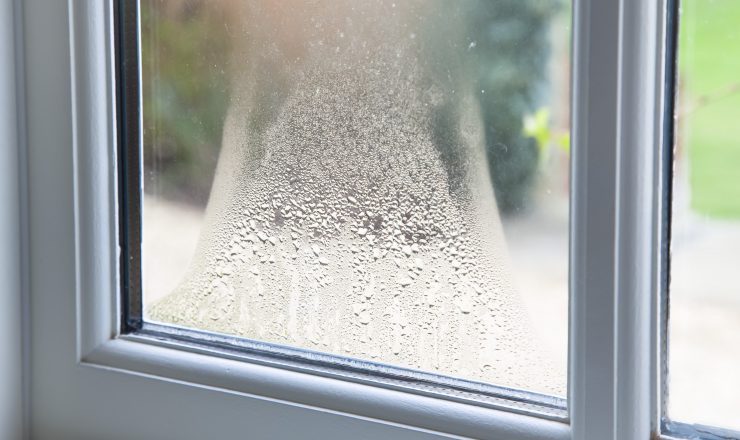
Before delving into moisture removal strategies, it is important to comprehend why moisture builds up on windows in the first place. This Condensation On Windows occurs when warm, wet air satisfies the cold surface of the glass. The moisture in the air condenses into water droplets, which can then accumulate on the window pane. Elements contributing to this phenomenon consist of:
- High humidity levels in the home (typically arising from cooking, showering, or drying clothes indoors)
- Poor insulation of windows
- Temperature level distinctions in between the inside and outdoors
Table 1: Common Causes of Window Moisture
| Cause | Description |
|---|---|
| High Indoor Humidity | Activities producing moisture, such as cooking or bathing. |
| Temperature level Differences | Warm air from inside meets cold window surfaces. |
| Poor Insulation | Inadequate window seals or older windows enabling drafts. |
| Lack of Ventilation | Inadequate air circulation can trap damp air indoors. |
Techniques for Moisture Removal
1. Routine Cleaning
Cleaning up windows regularly not just removes dirt but also avoids moisture build-up. Utilize a mixture of vinegar and water to tidy windows successfully. A clean surface has less possibility of moisture accumulation.
2. Improve Ventilation
Increasing air flow within your home can considerably reduce humidity levels. Here are some effective methods to enhance ventilation:
- Use Exhaust Fans: Employ fans in bathroom and kitchens to expel damp air straight outdoors.
- Open Windows: Whenever possible, open windows to enable fresh air to flow.
- Install Air Vents: Consider setting up vents in closed-off locations of the home to promote much better air circulation.
3. Use Dehumidifiers
Dehumidifiers are outstanding tools for keeping ideal indoor humidity levels (40-60%) and can be specifically helpful in areas prone to moisture, like basements. Purchasing a good-quality dehumidifier can be effective in avoiding window condensation.
4. Seal Gaps and Cracks
Inspect windows for drafts and air leaks. Sealing gaps with caulk or weatherstripping not just improves energy performance but likewise prevents cold air from developing condensation on the glass surfaces.
5. Insulating Window Treatments
Utilizing insulated curtains or blinds can assist keep a balance in between indoor temperature level and humidity levels. These treatments will supply an additional layer of defense against cold surfaces.
Table 2: Methods for Window Moisture Removal
| Technique | Description | Pros | Cons |
|---|---|---|---|
| Routine Cleaning | Tidy windows with vinegar and water | Basic and affordable | Requires routine effort |
| Enhance Ventilation | Increase air flow within the home | Reduces humidity effectively | May need changes to routines |
| Dehumidifiers | Use gadgets to get rid of excess humidity from the air | Effective and adjustable | Can be costly to run |
| Seal Gaps and Cracks | Usage caulk or weatherstripping to seal windows | Boosts energy efficiency | Requires upfront effort |
| Insulating Window Treatments | Install insulated drapes or blinds | Minimizes condensation; visual | May block natural light |
Preventative Measures
While removing existing moisture is essential, carrying out preventative measures can help reduce future condensation. Here are some crucial strategies:
Monitor Indoor Humidity Levels: Use a hygrometer to monitor humidity levels in your house.
Limitation Moisture-Generating Activities: Whenever possible, try to reduce activities that produce moisture, specifically throughout colder months.
Install Energy-Efficient Misted Windows: If it fits your budget plan, think about replacing older windows with energy-efficient models that include double-glazing to minimize temperature distinctions.
Preserve Consistent Indoor Temperatures: Keeping your home at a steady temperature level will lower the chances of condensation forming.
Frequently asked question Section
1. Why do my windows just fog up throughout winter?Windows are more
vulnerable to fogging in winter because warm indoor air satisfies cold outside air. The temperature differential is higher, causing increased condensation on the glass surface.
2. Is moisture on windows dangerous?While it may seem benign initially, relentless moisture can lead to mold development and damage the window frames, resulting in higher repair costs and prospective health dangers. 3. How can I tell if my windows are inadequately insulated?Common signs of poor window insulation consist of drafts, extreme condensation, and visible temperature level differences between the inside and the glass surface area. 4. Are there any natural remedies to lower window moisture?Yes! Positioning bowls of salt or sodium bicarbonate near windows can absorb excess moisture in the air naturally. 5. How typically need to I clean my windows to avoid moisture buildup?Regular cleaning every few months is advisable, but if you observe substantial moisture, more frequent cleansing may be needed. Window Seal Repair Moisture Removal (click through the following document) moisture is more than just a nuisance; it can show larger
issues within your home. By understanding the causes and carrying out appropriate moisture removal strategies, homeowners can enhance their living environment's convenience and durability. Whether utilizing routine cleansing, using dehumidifiers, or enhancing ventilation, dealing with window moisture is important for a healthy home. By incorporating these techniques and preventative procedures, property owners can efficiently handle indoor humidity levels and secure their financial investments for many years to come.












