

Fascia and Soffit Repair: Essential Insights for Homeowners
When it pertains to preserving the stability and looks of your home, fascia and soffit play essential functions. These 2 components not just enhance the look of your roof but also serve crucial functions in securing your home from the aspects. With time, nevertheless, fascia and soffit can suffer from wear and tear, necessitating repair or replacement. This post intends to provide extensive insights into fascia and soffit repair, consisting of typical problems, repair techniques, and frequently asked concerns.
Understanding Fascia and Soffit
Before diving into repair techniques, it's necessary to comprehend what fascia and Soffit Board Replacement are:
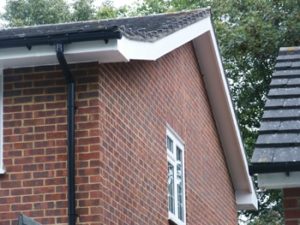
Fascia: This is the horizontal board that runs along the edge of the roof, simply underneath the roofline. It acts as a barrier in between the edge of the roofing system and the outdoors, protecting the rafters and providing a completed aim to the roofing's edge.
Soffit: Located below the fascia, the soffit covers the exposed rafters and supplies ventilation to the attic space. This is vital for maintaining an appropriate air flow and avoiding wetness accumulation.
Common Issues with Fascia and Soffit
Fascia and soffit are often exposed to extreme weather, which can cause various problems. Here's a table summing up some common issues, their causes, and potential options.
| Problem | Cause | Service |
|---|---|---|
| Water Damage | Poor drain, roofing leaks | Repair roofing system leakages; improve drainage systems |
| Rot and Decay | Prolonged moisture exposure | Replace damaged sections; usage rot-resistant products |
| Pest Infestation | Cracks and holes | Seal openings; treat with insecticides if needed |
| Peeling or Flaking Paint | Weather direct exposure or inappropriate paint application | Repaint using weather-resistant exterior paint |
| Sagging or Warping | Structural failure or weak products | Strengthen with extra assistance or change damaged areas |
Fascia and Soffit Repair Process
Fixing fascia and soffit can vary from basic repairs to more complex replacements. Here's a step-by-step guide to repair treatments:
Inspection: Start by completely inspecting both fascia and Soffit Board Replacement for damage. Search for indications of rot, sagging, or bug problem.
Gather Materials and Tools: Depending on the extent of the damage, gather needed products such as wood, vinyl, or aluminum for replacement, along with tools like a lever, hammer, nails, and a saw.
Eliminate Damaged Sections: Carefully eliminate any damaged fascia or soffit. This may include prying off old boards and nails.
Prepare the Area: Ensure that the area is clean and devoid of old paint, debris, or any residues of the old fascia or soffit.
Set Up New Material: Cut and fit the brand-new fascia or soffit product into place. For fascia, guarantee it's firmly connected to the rafter ends. For soffit, guarantee appropriate ventilation where suitable.
Seal and Paint: For wooden products, seal edges with paint or wood preservative to avoid future wetness damage.
Final Inspection: After installation, check the work to ensure whatever is protected which no spaces are present.
DIY vs. Professional Help
While some homeowners might choose to carry out fascia and soffit repairs themselves, it may not always be the very best option. Here's a list of benefits and drawbacks to think about:
DIY Pros:
- Cost cost savings on labor
- Opportunity to discover home repair abilities
- Immediate action on little issues
Do it yourself Cons:
- Risk of improper installation causing more damage
- Security dangers, specifically for those uneasy working at heights
- Time-consuming
Professional Help Pros:
- Expertise guarantees correct installation and repairs
- Service warranty on work performed
- Conserves house owners effort and time
Professional Help Cons:
- Higher expenses due to labor charges
- Scheduling conflicts
- Less control over the timeline for the task
Preventative Measures
Avoiding problems with fascia and soffit is vital for keeping your home. Here are some preventative tips:
Regular Inspections: Regularly examine fascia and soffit for any signs of wear or damage, particularly after serious weather condition.
Gutter Maintenance: Keep seamless gutters clean and ensure they are working correctly to prevent water from pooling around fascia.
Appropriate Ventilation: Ensure that attics are properly aerated to reduce moisture accumulation.
Quality Materials: Use high-quality, weather-resistant materials for replacements to lengthen the lifespan of fascia and soffit.
Frequently asked questions About Fascia and Soffit Repair
Q: How frequently should I examine my fascia and soffit?A: It's advised to check fascia and soffit at least two times a year, especially in the spring and fall, and after serious weather occasions.
Q: What material is best for fascia and soffit?A: Vinyl and aluminum are popular choices due to their resilience and low maintenance. Nevertheless, treated wood can also be used for a standard look.
Q: Can I paint my fascia and soffit?A: Yes, you can paint both, but it's important to use exterior-grade paint that can hold up against weather conditions.
Q: How do I know if my soffit is aerated appropriately?A: If your attic is excessively hot or humid, it might be an indication of poor ventilation. Ventilated soffits usually have little holes or vents that enable airflow.
Q: Is it necessary to change the whole fascia or soffit if only part is harmed?A: Not always. If only an area is harmed, it can frequently be replaced without needing to change the entire length.
Fascia and soffit repair is an important aspect of home maintenance that ought to not be overlooked. By understanding the typical issues, repair procedures, and preventative procedures, property owners can protect their homes successfully. Whether choosing for a DIY approach or hiring specialists, ensuring that fascia and Upvc Soffit are in good condition will boost the longevity and appearance of your home. Appropriate care and timely repairs can save house owners from more significant and more expensive damage down the line.










