

A Comprehensive Guide to Guttering Installation
Guttering Contractors is an essential component of any home, serving the main function of directing rainwater far from the roof and foundation, therefore preventing water damage and other associated concerns. While gutter installation may seem like a task best delegated professionals, understanding the procedure and the options readily available can empower property owners to make informed decisions. This blog site post will explore the Guttering Specialists Installation (via Ec Lyon) procedure, provide a summary of different types of gutters, and respond to some typical concerns regarding gutter maintenance.
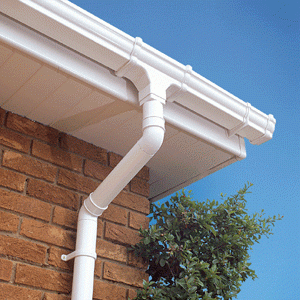
Why Guttering is necessary
Before diving into the installation procedure, it's essential to comprehend the importance of gutters. Correctly set up gutters can avoid:
- Water Damage: Excess water can result in mold and mildew growth, damaging walls and ceilings.
- Structure Issues: Water pooling around the structure can cause fractures and ultimately jeopardize the structural integrity of a home.
- Landscaping Erosion: Without correct channels to direct water circulation, heavy rainfall can clean away soil and plants.
Picking the Right Gutter Type
Choosing the ideal type of gutter for your home can substantially affect its performance. The following table outlines some of the most popular gutter designs:
| Gutter Type | Material | Pros | Cons |
|---|---|---|---|
| K-Style | Vinyl, Aluminum | Aesthetic appeal, effective water flow | Can be more pricey than conventional styles |
| Half-Round | Copper, Aluminum | Classic appearance, simple to clean | Limited design choices, may require more maintenance |
| Box Gutters | Wood, Metal | Great for flat roofs, mixes with architecture | Higher installation expenses, may weaken over time |
| Seamless | Aluminum, Steel | Customized to fit, less leaks | More pricey, requires professional installation |
| Fascia Gutters | Aluminum | Minimalist look, incorporated into roof | Can hold particles, might require regular cleaning |
The Installation Process
Tools and Materials Needed
Before beginning the installation, you will require to gather the following tools and products:
Tools:
- Ladder
- Measuring tape
- Level
- Miter saw
- Drill
- Rivet weapon
- Safety glasses
- Work gloves
Products:
- Gutters (chosen type)
- Downspouts
- Gutter hangers or brackets
- End caps
- Elbows
- Sealant
Step-by-Step Gutter Installation Guide
Procedure and Plan:
- Measure the length of the roofline where gutters will be set up. Compute the number of downspouts needed based upon the overall gutter length.
Mark the Slope:
- A small slope (around 1/4 inch for every single 10 feet) is necessary for correct water flow towards the downspouts. Utilize a level to mark this slope along the roofline.
Cut the Gutters:
- Cut the gutter sections to length utilizing a miter saw. Ensure to represent end caps and downspout openings.
Connect Hangers:
- Install the gutter wall mounts or brackets along the marked slope lines, spacing them about 24 inches apart to ensure stability.
Put together the Gutters:
- Connect the gutter pieces together, ensuring that seams are sealed properly. Usage sealant at the joints to prevent leakages.
Set up Downspouts:
- Cut and install the downspouts at the computed periods. Usage elbows to direct water far from the foundation.
Check the System:
- Once everything is installed, run water through the gutters to ensure appropriate circulation and check for leakages.
Last Adjustments:
- Make any essential modifications to ensure that water flows towards the downspouts and away from your house.
Maintenance Tips for Guttering
To make sure the longevity and effectiveness of the gutter system, routine maintenance is required. Here's a quick list of maintenance tips:
- Clean Gutters Regularly: Remove leaves, debris, and dirt a minimum of two times a year.
- Check for Damage: Check for rust, holes, or cracks and repair them without delay.
- Set Up Gutter Guards: Consider setting up gutter guards to reduce particles build-up.
- Examine Downspouts: Ensure downspouts aren't clogged and direct water far from the structure.
- Expect Sagging: Ensure gutters maintain their slope to prevent water pooling.
Frequently Asked Questions (FAQs)
1. How frequently must gutters be cleaned?Gutters ought to be
cleaned at least two times a year, preferably in the spring and fall. However, if you have overhanging trees, you may require to clean them more often. 2. Can I install gutters myself?While DIY installation is
possible, it requires careful preparation and execution. If not sure of your skills, it is suggested to employ a professional. 3. What occurs if gutters are not effectively installed?Improperly installed gutters can cause pricey waterdamage, including leakages in the roof, foundation concerns, and landscape disintegration. 4. How can I tell if my gutters need to be replaced?Signs that gutters need replacement consist of drooping areas, rust, holes, and continuous leakages that can not be fixed with sealant. 5. Are seamless gutters worth it?Seamless gutters can be more efficient at lowering leakages and may provide a cleaner visual, making them a worthwhile investment for numerous homeowners. Appropriate gutter installation is important for preserving a home's structural stability and avoiding water-related damage. Whether choosing to install gutters yourself or hiring a professional , comprehending the procedure and options readily available will ensure that your home remains protected from the aspects. By regularly maintaining your gutter system, you can extend its life-span and ensure it continues to operate efficiently.












