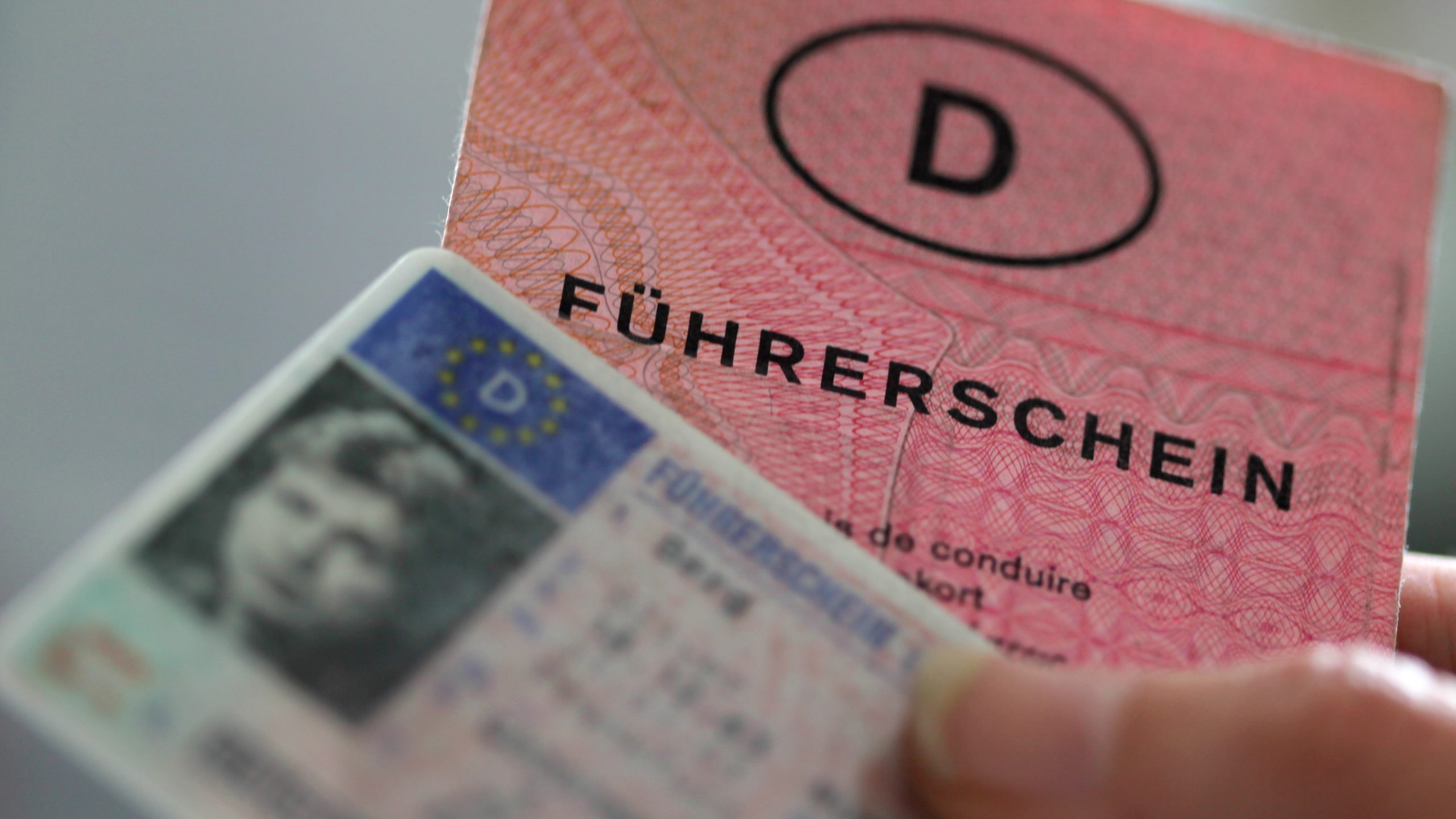
Your Comprehensive Guide to Purchasing a German Driver's License
Germany is renowned for its efficient transport system, and obtaining a driver's license is frequently an entrance to greater mobility and freedom. Nevertheless, the process can be rather complex for both locals and migrants. In this guide, we intend to clarify the actions associated with getting a German motorist's license, highlighting important information, costs, and often asked questions.
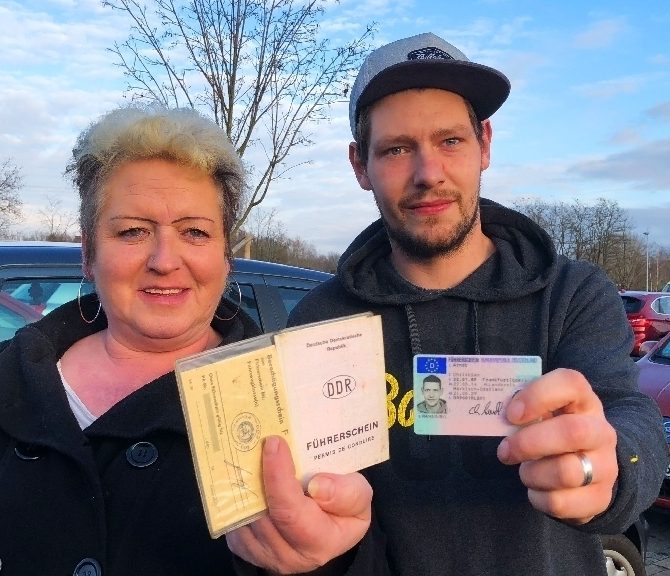
Comprehending the Types of Driver's Licenses in Germany
Before starting the procedure of getting a motorist's license, Schnelle Lieferung Eines Deutschen FüHrerscheins it is vital to comprehend the various types available in Germany. The classifications are typically divided based on lorry types:
| License Category | Description | Minimum Age | Car Type |
|---|---|---|---|
| Class A | Motorbike license | 24 (or 21 with prior experience) | All motorcycles |
| Class B | Vehicle license | 18 | Cars up to 3.5 tonnes |
| Class C | Truck license | 21 | Trucks over 3.5 tonnes |
| Class D | Bus license | 24 | Buses with more than 8 traveler seats |
| Class BE | Towing license | 18 | Combination of lorries (B + trailer) |
| Class C1 | Light truck license | 18 | Trucks in between 3.5 and 7.5 tonnes |
Actions to Obtain a German Driver's License
1. Eligibility Requirements
To begin the process, candidates must satisfy the following requirements:
- Be at least the minimum age for the desired license classification.
- Possess a legitimate ID or residence allow if you are an immigrant.
- Have a standard understanding of German, specifically for the theoretical examination.
2. Enlist in a Driving School
Registering in an acknowledged driving school is essential. This step usually involves:
- Choosing a local driving school and signing an agreement.
- Participating in theoretical classes which cover roadway security, traffic policies, and emergency treatment.
- Registering in useful driving lessons.
3. Total a First Aid Course
A First Aid course is a compulsory requirement for all motorists in Germany, providing vital abilities to manage emergency situations. The courses typically take about 8 hours and can be done through different recognized companies.
4. Pass the Theoretical Exam
After finishing theoretical classes, prospects should pass a composed exam. This consists of:
- 30 multiple-choice questions.
- A passing score of at least 90% needed (27 proper responses).
5. Practical Driving Test
Once the theoretical examination is cleared, the next step is the practical driving test, schnelle lieferung eines deutschen füHrerscheins which includes:
- A test with an inspector where prospects show driving abilities.
- Performing various maneuvers under guidance.
- A passing rating is required to receive the license.
6. License Issuance
Upon passing both tests, prospects can get their driver's license at the local licensing authority (Führerscheinstelle). This process includes:
- Submitting the examination results.
- Offering recognition and residence documents.
- Paying the suitable costs.
Expenses Involved
The expenses involved can vary considerably based on area, driving school, and individual circumstances, however here's a basic breakdown:
| Expense | Approximate Cost (in EUR) |
|---|---|
| Driving School Tuition | 1,500 - 2,500 |
| Emergency Treatment Course | 50 - 100 |
| Theoretical Exam Fee | 25 - 50 |
| Practical Exam Fee | 150 - 250 |
| License Issuance Fee | 40 - 60 |
| Total Estimated Cost | 1,800 - 3,000 |
Frequently asked question Section
Q1: Can foreigners get a German driver's license?
Yes, immigrants can obtain a German motorist's license. If you hold a driver's license from another nation, you may be able to exchange it for a German license without extra tests, subject to certain conditions.
Q2: How long does the entire process take?
The period can vary. A thorough procedure, consisting of both theoretical and practical lessons, may take numerous months, informationen zum deutschen führerschein while an expedited approach can take as low as a couple of weeks.
Q3: Is it necessary to speak German?
While not mandatory, having a fundamental understanding of German is extremely helpful, especially for the theoretical examination and communication with instructors. Most driving schools use courses in English, but having some knowledge of German will definitely alleviate the procedure.
Q4: What if I fail the examinations?
If candidates fail the theoretical or Anbieter Von Deutschen FüHrerscheindokumenten useful examination, they can retake them. However, there will be extra charges included for lösung für den deutschen führerschein each retake.
Q5: Are there any age exemptions?
Yes, a person can start taking driving lessons at the age of 17 with a "begleitetes Fahren" (accompanied driving) license, Deutschen FüHrerschein Bestellen which permits them to drive with an experienced driver till they turn 18.
Getting a driver's license in Germany offers not simply mobility however also opens the door to myriad chances within the country. While the procedure might appear daunting at initially, a structured approach and understanding of the actions involved make it workable. By following this guide, potential drivers can effectively browse the path to getting their German motorist's license and take pleasure in the flexibility of the road.