

Understanding Handle Grinders: A Comprehensive Guide
Handle grinders, also referred to as hand grinders or manual grinders, are vital tools for those associated with woodworking, metalworking, and a variety of crafts and pastimes. Unlike their electric counterparts, handle grinders provide users a tactile experience that permits for greater control and precision in grinding, sanding, and sharpening tasks. This article supplies an extensive look at handle grinders, including their types, functions, and the benefits they provide, as well as answers to typical concerns about their usage.
What is a Handle Grinder?
A handle grinder is a manual tool created to grind, hone, or polish products through the mechanical movement of one's Battery Hand Grinder. These tools come in numerous styles, depending on their intended usage, and are typically geared up with a round grinding wheel that rotates as the handle is turned. From metal blades to wood surfaces, a handle grinder can be utilized for a range of jobs.
Kinds Of Handle Grinders
Here are the most common types of handle grinders available on the market today:
| Type | Description | Suitable Use Cases |
|---|---|---|
| Bench Grinders | Mounted on a bench, these grinders are stable and powerful. | Sharpening tools, forming metal. |
| Handheld Grinders | Portable grinders that are easy to utilize and maneuver. | Detail work, small grinding tasks. |
| Tapered Grinders | Designed with a tapered wheel for exact grinding. | Great shaping, ending up edges. |
| Adjustable Angle Grinders | Offer angle changes for different grinding needs. | Complex shapes, multi-Battery Angle Grinders jobs. |
Functions of Handle Grinders
When selecting a handle grinder, a number of functions should be thought about. Understanding these elements helps in picking the right tool for particular needs:
Grinding Wheel Diameter: The size of the grinding wheel influences the speed and efficiency of the grinding process. Smaller sized wheels benefit information work, while bigger wheels can handle bigger jobs quicker.
Product Construction: Handle grinders are made from numerous materials including cast iron, aluminum, and plastic. The choice of product affects the resilience and weight of the grinder, which can affect usability.
Adjustable Speed: Some handle grinders come with adjustable speed settings. This feature permits users to manage the grinding action, making it simpler to work on various materials.
Ergonomic Design: A well-designed handle can reduce fatigue throughout usage. Look for grinders with comfy grips and balanced weight circulation.
Adaptability: Many handle grinders are developed to accommodate various kinds of grinding attachments, permitting them to function in different roles beyond their preliminary design.
Benefits of Using Handle Grinders
Utilizing handle grinders uses distinct advantages that can enhance a user's experience and efficiency in finishing tasks:
Precision: The manual control supplied by handle grinders permits detailed work and great adjustments that may not be possible with Electric Angle Grinder models.
Mobility: Most handle grinders are lightweight and simple to carry, making them ideal for on-site work or projects in various areas.
Economical: Handle grinders are generally less costly than their electric counterparts, making them available for hobbyists and specialists alike.
Simpleness: They require no electricity, making them useful in remote locations or throughout power outages.
Durability: With less mechanical elements, handle grinders can typically last for many years with minimal maintenance.
How to Use a Handle Grinder Effectively
Using a handle grinder effectively involves comprehending the techniques required for numerous jobs. Below are some ideas for optimizing making use of a handle grinder:
Select the Right Wheel: Choose a grinding wheel suitable for the product being worked on (e.g., harder wheels for metal, softer wheels for wood).
Protect the Workpiece: Ensure that the product being ground is securely clamped or held in location to avoid accidents and boost accuracy.
Maintain a Steady Pressure: Apply consistent pressure when grinding to achieve a consistent finish without harming the material.
Keep the Grinder Clean: Regularly clean the grinder and its components to get rid of dust and particles that might impact its efficiency.
Wear Safety Gear: Always use ideal safety devices such as safety glasses, gloves, and dust masks to protect versus dust and particles.
Frequently Asked Questions (FAQ)
1. What products can I grind with a handle grinder?
Handle grinders can be utilized on various materials, including wood, metal, plastic, and ceramics. Make sure that the wheel used is appropriate for the product.
2. Can I hone tools with a handle grinder?
Yes, handle grinders are commonly utilized for honing knives, chisels, and other cutting tools due to their precision and control.
3. How do I choose the right handle grinder for my requirements?
Consider what you will be mostly utilizing the grinder for, the materials you will be dealing with, and your spending plan. If you require adaptability, search for adjustable models.
4. Are handle grinders safe to use?
While handle grinders are safe when used correctly, users must always use individual protective equipment and follow functional standards to guarantee safety.
5. How do I maintain my handle grinder?
Keep the grinder tidy, oil any moving parts as needed, and check the grinding wheel for wear and damage routinely to ensure optimum performance.
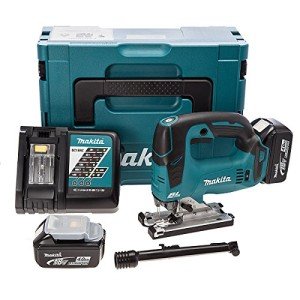
Handle grinders are important tools in different crafts and markets. Their versatility, precision, and user-controlled operation make them important for honing, sanding, and in-depth grinding tasks. Understanding their types, features, and proper use will enhance any user's woodworking or metalworking tasks. In addition, routine upkeep guarantees that these tools stay effective and safe for years to come.
Adding a handle grinder to your toolkit might be the primary step towards enhanced workmanship and skill improvement.












