

The Rise of Integrated Cookers: A Comprehensive Guide
In the quickly progressing world of kitchen innovation, integrated cookers have become progressively popular amongst property owners and chefs alike. These multifunctional appliances flawlessly blend into kitchen cabinets, providing both usefulness and aesthetic appeal. This post explores the advantages of integrated cookers, their types, setup considerations, and more.
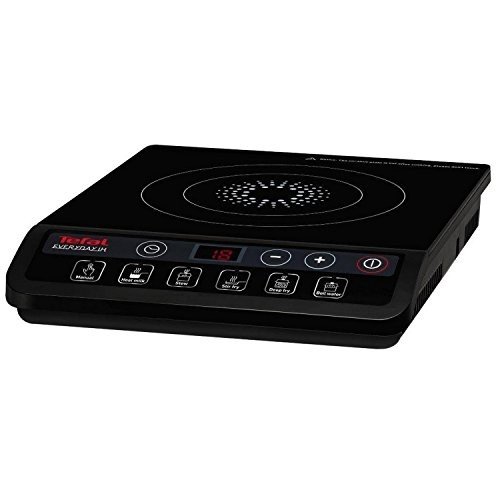
What is an Integrated Cooker?
An integrated cooker is a oven built in-in kitchen appliance developed to fit within a modular kitchen design, providing a clean and cohesive look. Unlike standalone cookers, integrated cookers inhabit less space and typically featured extra functions that can enhance the cooking experience.
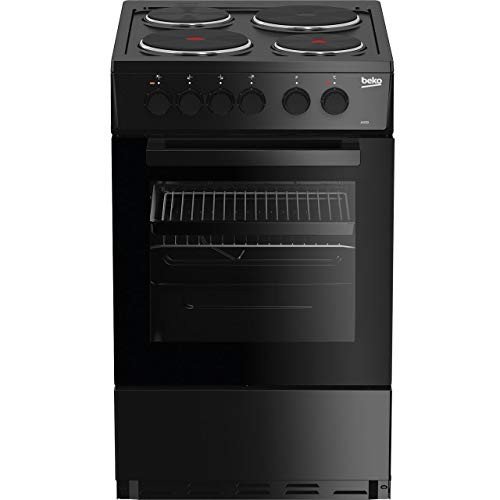
Benefits of Integrated Cookers
- Space Efficiency: Integrated cookers are developed to fit snugly into cabinetry, conserving valuable floor space in kitchens.
- Aesthetic Appeal: With streamlined styles that match other kitchen appliances, they add to a structured and modern-day look.
- Versatility: Many integrated cookers come geared up with different cooking functions such as baking, barbecuing, and steaming, supplying more alternatives for meal preparation.
- Enhanced Features: Integrated cookers frequently include sophisticated technologies, such as smart thermostats and self-cleaning alternatives, enhancing usability and convenience.
- Security Enhancements: Many models come with functions such as child locks and automated shutoff systems, making them more secure for household usage.
Kinds Of Integrated Cookers
There is a broad variety of integrated cookers readily available, each customized to specific cooking designs and preferences:
1. Integrated Ovens
- Standard Ovens: Regular bulit-in ovens that provide consistent heating suitable for baking and roasting.
- Convection Ovens: These utilize fans to flow hot air, cooking food more evenly and rapidly.
- Steam bulit-in ovens: Utilize steam innovation to maintain moisture and vitamins in food while cooking.
2. Integrated Induction Hobs
- Induction Cooktops: Provide quick and efficient cooking by utilizing electromagnetic fields to heat pots and pans directly.
- Ceramic Hobs: Featuring a smooth glass surface, they heat up quickly and offer simple cleansing.
3. Integrated Microwaves
- built in electric oven and hob-in Microwaves: These can be set up into kitchen cabinetry and frequently featured sophisticated functions like grilling and steaming options.
Essential Considerations for Installation
When choosing an integrated cooker, particular setup factors to consider should be considered to guarantee optimum performance and safety.
- Space Requirements: Measure the offered area in the kitchen to pick the right size of the Cooker integrated.
- Ventilation Needs: Proper ventilation is crucial, specifically for gas cookers, to prevent the buildup of hazardous gases.
- Electric Supply: Ensure that the home's electrical system can handle the power requirements of the brand-new integrated device.
Setup Steps
- Planning: Sketch out the kitchen layout, consisting of the wanted space for the integrated cooker.
- Measurement: Accurately determine the dimensions to guarantee appropriate fit.
- Preparation: Prepare the surrounding kitchen cabinetry and electrical connections based on the producer's standards.
- Installation: Follow the manufacturer's installation guidelines or employ an expert for a seamless setup.
Maintenance of Integrated Cookers
Regular Cleaning
- Wipe Surfaces: Utilize a moist fabric to routinely clean down surfaces to prevent accumulation.
- Deep Clean: Conduct a deep tidy utilizing proper appliances cleaners frequently.
Regular Checks
- Examine Seals: Check the door seals to guarantee they are intact to preserve cooking effectiveness.
- Test Functions: Regularly test all cooking functions to ensure they operate correctly.
FAQs
What are the benefits of integrated cookers compared to standalone designs?
Integrated cookers save space, enhance kitchen aesthetics, and often use innovative cooking functions that standalone designs might not include.
Can I install an integrated cooker myself?
While some homeowners may be able to set up an integrated cooker, it's advised to engage a professional to make sure proper installation and adherence to safety standards.
Are integrated cookers more pricey than conventional cookers?
Integrated cookers can come at a greater price point due to their design and advanced features, however they can provide outstanding worth in terms of space-saving and increased functionality.
Do integrated cookers need special maintenance?
While they do not need any specialized upkeep, keeping them clean and frequently looking for problems, such as malfunctioning parts, is crucial.
Are all integrated cookers energy-efficient?
Numerous contemporary integrated cookers are created to be energy-efficient, making use of innovations that minimize energy consumption while supplying reliable cooking efficiency.
Integrated cookers represent an exceptional development in kitchen technology, combining functionality with visual appeal. Their flexibility and space-saving designs make them a popular option for modern cooking areas. By understanding the different types offered, installation factors to consider, and upkeep needs, consumers can make educated decisions when selecting an integrated built-in cooker and hob that perfectly suits their cooking lifestyle.
With the ongoing developments in kitchen appliances, integrated cookers are likely to remain in high need, accommodating the progressing needs of home cooks and expert chefs alike.












