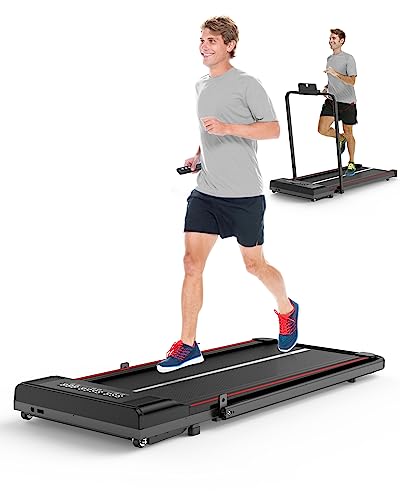
The Comprehensive Guide to Treadmills: Your Path to Fitness
Treadmills have long been a staple in gyms and homes, offering a flexible platform for cardiovascular exercises that can match essentially any fitness level. They supply an excellent alternative for those seeking to improve their health, drop weight, or train for a specific event like a marathon. This blog post will check out the functions, benefits, types, and upkeep of treadmills, in addition to a thorough FAQ area to resolve common questions.
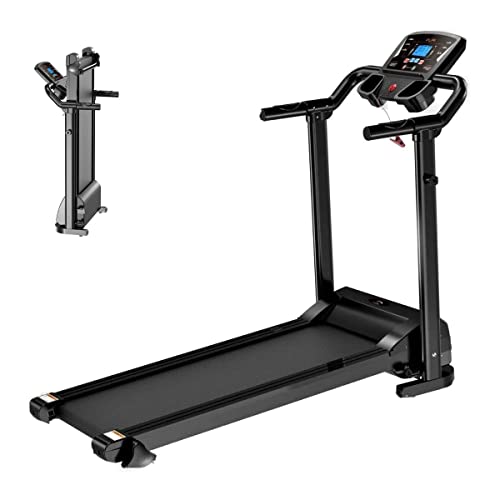
Understanding Treadmills
At their core, treadmills are workout machines that enable users to walk, jog, or run while remaining in one place. This convenience makes them a popular option for those who prefer indoor workouts, despite the weather or time of day.
Advantages of Using a Treadmill
| Advantage | Explanation |
|---|---|
| Cardiovascular Health | Regular use can enhance heart and lung health. |
| Weight Loss | An essential tool in burning calories and aiding weight management. |
| Convenience | Offered at any time, regardless of the weather. |
| Adjustable Workouts | Quickly change speed and slope for different strength. |
| Safe Environment | Decreases danger of injury compared to outdoor running. |
| Tracking Progress | Integrated screens typically show metrics like distance, speed, and calories burned. |
Types of Treadmills
When selecting a treadmill, it's important to understand the various types available. Each type offers special features that accommodate particular requirements.
1. Handbook Treadmills
Manual treadmills require no source of power; users need to produce the movement. They are typically more economical and compact however might not provide as smooth an experience.
2. Motorized Treadmills
These are powered by a motor and can frequently reach greater speeds and inclines. Motorized treadmills come with numerous advanced functions, such as pre-set exercise programs, heart rate displays, and incorporated screens.
3. Folding Treadmills
Suitable for those with limited area, folding treadmills can be easily kept away after use. Lots of designs are motorized and included similar functions as standard motorized treadmills.
4. Commercial Treadmills
These are developed for resilience and constant use in health clubs and fitness centers. They frequently have advanced functions and higher weight capacities.
Contrast Table of Treadmill Types
| Type | Pros | Cons |
|---|---|---|
| Manual Treadmills | Cost effective, space-saving | Requires more effort, minimal functions |
| Motorized treadmills For cheap | Wide variety of features, smooth operation | Generally more costly |
| Folding Treadmills | Space-saving, convenient for home usage | Might be less durable than non-folding designs |
| Commercial Treadmills | Highly long lasting, appropriate for high traffic usage | Extremely expensive, typically bigger in size |
Selecting the Right Treadmill
Selecting the ideal treadmill can be overwhelming, provided the variety of choices readily available. Here are a number of factors to consider:
- Usage Level: Consider the number of times a week you plan to utilize it. Regular users might want a more resilient model.
- Space: Measure the location where you plan to put the treadmill and consider a folding design if space is restricted.
- Budget: Treadmill rates can vary considerably. Set a spending plan that fits your monetary situation.
- Features: Determine which features are necessary for your workouts, such as heart rate displays, built-in programs, and connection alternatives.
- Weight Capacity: Ensure the treadmill can support your weight plus any additional equipment you might utilize.
Features to Look For
| Function | Value |
|---|---|
| Motor Size | A larger motor provides better efficiency and durability. |
| Slope Options | Helps target different muscle groups and increase strength. |
| Running Surface | A larger surface area provides a more comfy experience. |
| Shock Absorption | Decreases influence on joints for a safer workout. |
| User Programs | Pre-set workouts can make your routine more diverse and effective. |
| Connection | Alternatives like Bluetooth or Wi-Fi can enhance your workout experience. |
Upkeep Tips for Your Treadmill
To make sure durability and ideal efficiency, routine upkeep of your treadmill is essential. Here are some pointers:
- Regular Cleaning: Dust and particles can build up and disrupt moving parts. Wipe down the treadmill after each use.
- Lubrication: Depending on the design, various parts may require lubrication to prevent wear and tear. Follow the manufacturer's standards.
- Inspect the Belt Alignment: Regularly check that the running belt is focused and change if essential.
- Check Mechanical Parts: Routinely examine bolts, screws, and other mechanical parts for any signs of wear or looseness.
- Professional Servicing: If issues emerge that can not be resolved, consult a professional service technician to prevent additional damage.
Frequently Asked Questions (FAQ)
Q1: How numerous calories can I burn on a treadmill?
A: The variety of calories burned depends upon numerous aspects, consisting of weight, speed, and period of use. On average, a 160-pound person burns about 314 calories per hour walking at 4 mph.
Q2: Can I use a treadmill every day?
A: Yes, lots of people use treadmills daily. Nevertheless, it's crucial to listen to your body and change your regular to prevent injuries. Blending with other types of exercise can likewise be helpful.
Q3: What is a great speed for beginners?
A: Beginners can start at a sluggish walking pace of 2-3 miles per hour. As self-confidence and endurance build, they can slowly increase their speed.
Q4: Do I require to purchase a heart rate monitor?
A: While it's not essential, a heart rate screen can help you track your strength and ensure you are working within your target heart rate zone.
Q5: Are treadmills better than running exterior?
A: It depends upon individual choice. Treadmills supply a regulated environment, while outside running offers varied terrain and surroundings. Each has its benefits.
In conclusion, treadmills are a fantastic addition to any fitness journey, supplying an efficient, safe, and convenient way to achieve cardiovascular health and wellness objectives. With numerous choices readily available, understanding the types, advantages, and functions of treadmills will assist individuals select the best design for their requirements. Proper upkeep ensures longevity, allowing users to enjoy their financial investment for several years to come. Whether it's for casual walking or extensive training, a treadmill can be an unfaltering ally in the pursuit of physical fitness.