

Mobility Ramps for Homes: Enhancing Accessibility and Independence
As society continues to progress towards inclusivity and ease of access, mobility ramps have ended up being essential fixtures in many homes. These ramps not only supply a means of entry for people with mobility challenges but also promote self-reliance, security, and benefit. This article digs into the numerous elements of mobility ramps for homes, assisting property owners through their types, benefits, installation considerations, upkeep, and frequently asked questions.
Understanding Mobility Ramps
Mobility ramps are developed to assist in the movement of individuals using wheelchairs, scooters, or other mobility aids. They enable much easier access to homes, garages, and exit points without the need for substantial physical exertion or support.
Key Benefits of Mobility Ramps
Self-reliance: Mobility ramps empower individuals to go into and leave their homes without counting on help, fostering a sense of self-reliance.
Security: An appropriate ramp lowers the danger of falls and injuries that can happen when maneuvering stairs.
Adaptability: These ramps can be constructed for different environments and can be temporary or irreversible options.
Home Value: Installing a mobility ramp can increase the overall value of a home as it promotes inclusivity.
Ease of Use: Designed for a range of mobility levels, ramps accommodate wheelchairs, walkers, and individuals with restricted mobility.
Kinds Of Mobility Ramps
Selecting the best mobility ramp depends on specific requirements, physical space, and budget plan. Here's a detailed comparison of common kinds of mobility ramps:
| Ramp Type | Description | Pros | Cons |
|---|---|---|---|
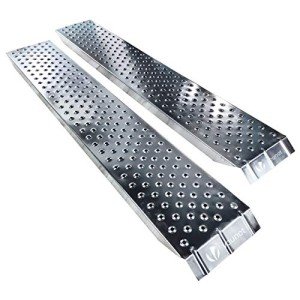
| Portable Ramps | Lightweight, easily portable ramps, often made from aluminum. | Easy to store and move, perfect for temporary needs. | Limited weight capacity, might not appropriate for long-term use. |
| Limit Ramps | Short ramps designed to bridge entryways or doorways. | Basic setup, beneficial for small height differences. | Not perfect for larger stairs or steep slopes. |
| Long-term Ramps | Built from wood, aluminum, or concrete, these ramps are meant for long-term usage. | Durable and durable, adjustable to various lengths and heights. | More costly and may need planning/building authorizations. |
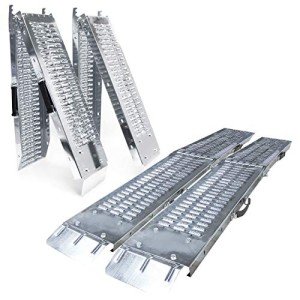
| Folding Ramps | Ramps that can fold for easy transport or storage. | Storable and helpful for several usages. | Possibly less stable than irreversible options. |
| Modular Ramps | Pre-fabricated sections that can be assembled to develop a customized ramp design. | Easy to set up and rearrange, adaptable to various areas. | Might have a greater upfront expense compared to other ramps. |
Installation Considerations
Prior to adding a mobility ramp to a home, a number of aspects require to be thought about to make sure optimum performance and safety:
Space Assessment: Measure the location where the ramp will be set up, accounting for existing structures and pathways.
Structure Codes: Familiarize yourself with local structure codes and regulations to guarantee compliance, especially for irreversible ramps.
Slope Ratio: The Americans with Disabilities Act (ADA) suggests a slope ratio of 1:12 for wheelchairs. This suggests for every single inch of vertical rise, there ought to be at least 12 inches of ramp run.
Material Selection: Choose a product that is long lasting and weather-resistant to prolong the ramp's life expectancy.
Surface area Texture: Ensure the ramp has a non-slip surface area to lower the threat of accidents, especially in harsh weather.
Handrails: Consider setting up handrails for additional support, particularly on longer ramps or those with steeper inclines.
Maintenance of Mobility Ramps
Keeping mobility ramps is necessary for ensuring safety and durability. Here are some tips:
Regular Inspections: Inspect the ramp regularly for damage, wear, or loose bolts that may affect stability.
Cleaning up: Keep the ramp clear of debris, such as leaves and snow, to prevent slipping hazards.
Surface Repair: Address any surface concerns, such as splitting or splintering, in wooden ramps quickly.
Repaint if Necessary: For metal ramps, repainting can help prevent rust and wear and tear.
Inspect Handrails: Ensure handrails are securely secured and can support weight when needed.
Regularly Asked Questions (FAQ)
1. Do I need a license to install a mobility ramp?
Yes, depending on local policies, a permit might be required, particularly for irreversible ramps. It's a good idea to examine with your local structure authority.
2. How much does a mobility ramp expense?
The cost of mobility ramps differs extensively based on the type, products, and installation requirements. Portable ramps can start at a couple of hundred dollars, while permanent ramps can range from ₤ 1,000 to ₤ 5,000 or more.
3. Can I install a ramp myself?
While some portable ramps are simple to install, long-term ramps often need professional installation to ensure safety and compliance with building codes.
4. How do I determine the right slope for my ramp?
Follow the ADA guidelines of a 1:12 slope ratio for wheelchairs. Additionally, consider the particular needs of the user and the space readily available.
5. What products are best for outdoor ramps?
Aluminum, treated wood, and concrete are popular alternatives for outside ramps due to their durability and resistance to weather conditions.
6. Are there insurance benefits for setting up mobility ramps?
Some insurance policies might cover mobility modifications, including ramps. Constantly consult your insurance coverage provider for coverage details.
In conclusion, Mobility Ramps For Home ramps represent an essential component of home availability, promoting self-reliance, safety, and inclusiveness. By comprehending the various types available, considering setup requirements, maintaining them effectively, and seeking responses to typical questions, house owners can make sure an encouraging environment for those with mobility challenges. Making the right choices concerning mobility ramps can substantially enhance the quality of life for people and their families.










