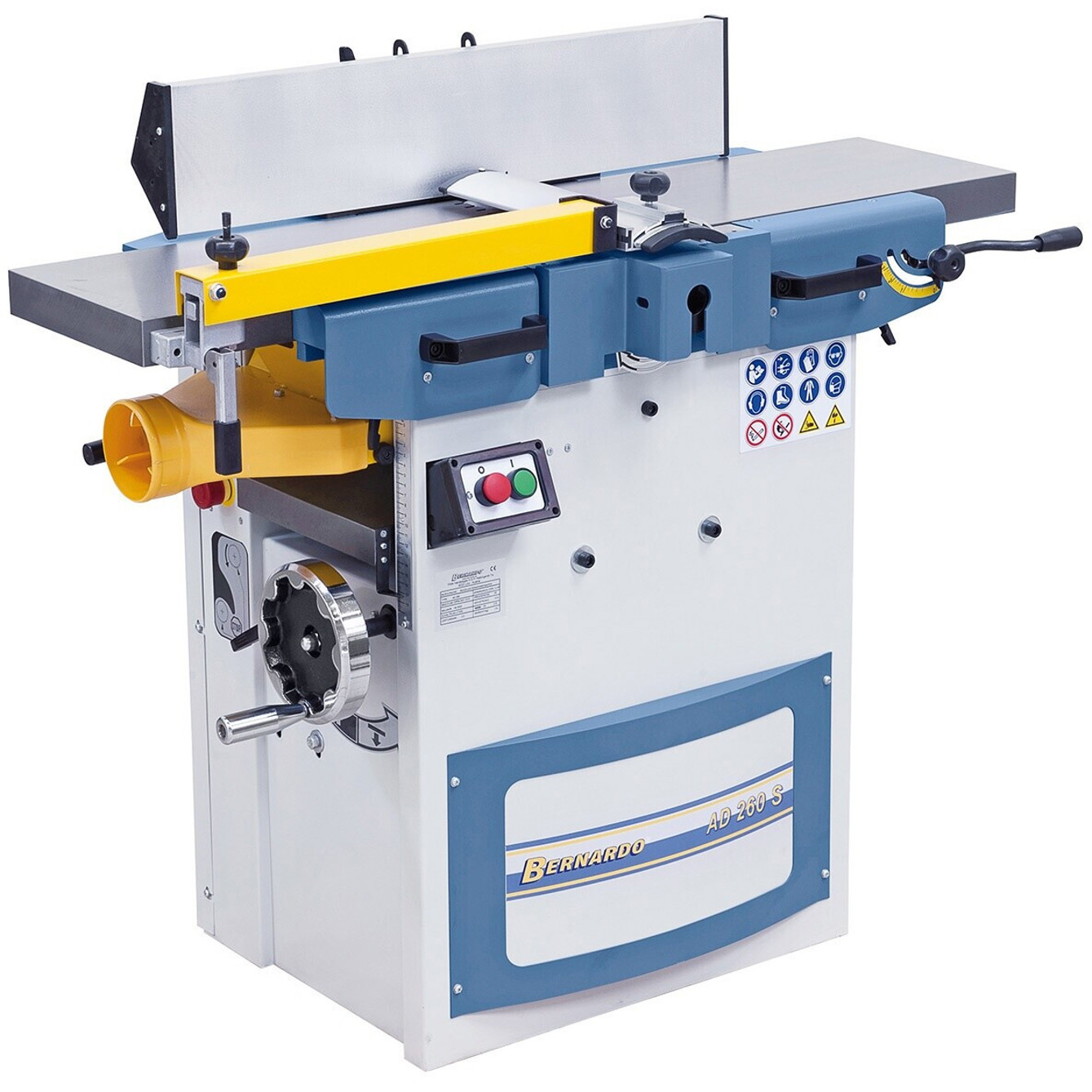
Planning Machines for Carpentry: A Comprehensive Guide
When it comes to woodworking and carpentry, precision and efficiency are paramount. Among the important tools that can considerably boost these qualities is the planning machine. This post will look into the different kinds of planning machines, their applications, benefits, and upkeep, supplying an in-depth overview for both beginner carpenters and skilled specialists.
What is a Planning Machine?
A preparation machine, typically referred to as a planer, is used in wood processing to produce smooth, flat surface areas on wood boards. It attains this by shaving off thin layers of material from the surface area of the wood, thus enhancing its aesthetic and practical quality. A planer is particularly valuable for preparing rough lumber for furniture making, cabinetry, and other woodworking projects.
Kinds Of Planning Machines
There are different kinds of planning machines, each serving a special purpose and Hochwertige Hobelmaschinen In Meiner Nähe, click the following article, offering specific features. Here's a breakdown of the primary types:
| Type of Planning Machine | Description | Common Uses |
|---|---|---|
| Density Planer | A stationary tool that removes material from the surface area of wood to attain uniform density. | Preparing stock, gebrauchte hobelmaschinen Kaufen (https://www.kdbang.vip/Home.php?mod=space&uid=1256556) smoothing surface areas |
| Hand Planer | A by hand operated tool that is frequently used for Hobelmaschinen Zum Besten Preis-Rabatte (bbs.51pinzhi.cn) fine-tuning and information deal with wood surface areas. | Edge smoothing, shaping, and fitting |
| Electric Hand Planer | A portable electric variation of the hand planer that permits for fast changes and ease of usage. | Quick edge smoothing and surface preparation |
| Jointers | Often puzzled with planers, jointers are used to flatten one side of a board or square-up edges. | Edging, flattening, and squaring wood |
| Surface Planer | A big, industrial maker designed for high-volume lumber processing and smoothing large boards. | Furniture production, cabinetry |
Advantages of Using a Planning Machine
Utilizing a preparation maker brings numerous benefits to carpentry, consisting of:
- Precision: Planers shave off product uniformly, guaranteeing smooth surfaces with accurate dimensions.
- Performance: These machines significantly reduce the time taken to achieve a finished item compared to manual techniques.
- Adaptability: Different types of planers cater to a variety of woodworking requirements, from little, comprehensive jobs to large-scale projects.
- Quality of Finish: A coordinator leaves less tool mark and attains a superior surface area finish compared to manual sanding and filing.
- Cost-Effectiveness: For professional carpenters, the investment in a quality preparation maker can cause substantial labor savings and enhanced output.
Picking the Right Planning Machine
Selecting the appropriate planning maker for your carpentry requires requires careful consideration of several elements:
- Project Scope: For massive projects, investing in a density planer or surface planer might be justified, while smaller tasks can utilize a hand or electric planer.
- Wood Type: Certain woods may require specific devices or blades, especially tough or heavy species.
- Budget: Prices for planers can vary commonly. Assessing both initial investment and long-term worth is important.
- Space Availability: Stationary machines require more shop space than portable hand planers. Think about the workshop size when selecting your devices.
Table: Planning Machine Specifications Comparison
| Requirements | Density Planer | Hand Planer | Electric Hand Planer | Jointers | Surface area Planer |
|---|---|---|---|---|---|
| Source of power | Electric | Manual | Electric | Electric | Electric |
| Weight | Heavy | Light | Moderate | Much heavier | Heavy |
| Area | Wide | N/A | N/A | Narrow | Wide |
| Blades | 2-4 | 1 | 1 | 2 | 3-4 |
| Cost Range | ₤ 300 - ₤ 2,000 | ₤ 20 - ₤ 100 | ₤ 50 - ₤ 300 | ₤ 500 - ₤ 3,000 | ₤ 1,000 - ₤ 5,000 |
Maintenance of Planning Machines
Proper maintenance of preparing machines is crucial for ensuring longevity and ideal efficiency. Here are some necessary ideas:
- Regular Cleaning: Wood shavings and dust can build up and impact the machine's performance. Routinely tidy the device, consisting of the blades and tables.
- Blade Replacement: Dull blades can result in tear-out and an imperfect surface. Regularly examine and replace dull blades as needed.
- Lubrication: Ensure moving parts are well-lubricated to avoid wear and tear, which can also impact precision.
- Calibration: Periodically inspect for precise settings and measurements, ensuring the machine runs within its specified tolerances.
- Professional Servicing: For heavy-use machines, think about having a professional service technician service the planer every year for comprehensive upkeep.
Frequently Asked Questions (FAQs)
Q1: What is the best type of planning device for hobbyists?
A1: For hobbyists, an electric hand planer is usually the best choice due to its portability, ease of use, and affordability. Thickness planers are also appropriate if more substantial projects are anticipated.
Q2: How typically should I change the blades on my planer?
A2: This largely depends upon use, but as a guideline of thumb, planers should have their blades changed after about 5 to 10 hours of usage for more difficult woods, and every 15 to 20 hours for softer materials.
Q3: Can I utilize a planer on wood?
A3: Yes, planers are created to handle wood, however it is important to make sure that the blades are sharp, and the maker is effectively changed to prevent damaging the wood.
Q4: What security precautions should I take when utilizing a preparation maker?
A4: Always wear correct safety gear, consisting of goggles and ear security. Make sure the wood is secure before planing and avoid wearing loose clothes that could get caught in the maker.
Preparation machines are essential tools in carpentry that provide the precision, effectiveness, and quality needed for woodworking projects. By comprehending the various types readily available, their benefits, and best practices for maintenance, woodworkers can considerably enhance their workmanship. Investing in the right preparation equipment is important for raising woodworking abilities and maximizing task results. Whether for hobbyists or professional carpenters, selecting the suitable preparation machine can result in a more effective and pleasurable woodworking experience.