

The Comprehensive Steam Oven Test: A Guide to Cooking Perfection
In current years, steam ovens have actually acquired immense popularity in both professional kitchen areas and the home cooking arena. Their capability to offer health-conscious cooking choices without compromising flavor makes them a game-changer. But how do they really measure up when tested? In this article, we'll dive deep into the realm of steam ovens, discussing their functions, benefits, prospective restrictions, and a hands-on Ceranfeld 60 Cm Test that evaluates their efficiency versus standard cooking approaches.
Understanding Steam Ovens
Before we dive into the test results, let's establish a clear understanding of what a steam oven is. Steam ovens utilize water to develop steam, which cooks food at a consistent temperature while maintaining moisture, nutrients, and flavors. They can typically operate as traditional ovens, integrating steam and convection cooking methods.
Key Features of Steam Ovens
| Function | Description |
|---|---|
| Cooking Mode | Lots of steam ovens feature numerous cooking modes, consisting of steam, convection, and a combination of both. |
| Temperature Range | Steam ovens usually offer a range from Induktionskochfeld 80 Einbaubackofen 90 Cm Breit Autark Backofen Mit Heissluft Angebot Rahmen Günstig Geschirrspüler Leise Kaufen - More hints - ° C (176 ° F)to 100 ° C(212 ° F), though some innovative models can exceed this limitation for improved cooking adaptability. |
| Size and Capacity | While typically compact, steam ovens differ greatly in size and capability, from countertop models for smaller sized kitchens to built-in variations created for larger areas. |
| Control Mechanism | Many steam ovens are equipped with digital display panels that enable users to select settings easily, while some models integrate clever innovation for remote operation. |
| Auto-Cook Functions | Many steam ovens feature pre-programmed settings for various foods, streamlining the cooking procedure and ensuring optimum outcomes. |
| Cleaning up Features | One of the substantial advantages of steam ovens is their self-cleaning capabilities, thanks to the steam used during cooking. |
The Steam Oven Test
To assess steam ovens thoroughly, a series of tests were performed with the following objectives in mind:
- Cooking Time: How does the cooking time of steam ovens compare to conventional ovens?
- Flavor Retention: Are meals prepared in steam ovens more delicious than those cooked in conventional techniques?
- Wetness Retention: How well do steam ovens maintain moisture in meals compared to standard methods?
- Nutrient Preservation: Does steaming help preserve more nutrients compared to other cooking techniques?
Testing Methodology
The screening was done utilizing 3 various cooking approaches: steam oven, conventional oven, and stovetop steaming. A variety of food items were selected for their varied cooking times and needs, including veggies, fish, and a chicken breast. Here's the breakdown of the test:
| Food Item | Steam Oven Time | Standard Oven Time | Stovetop Steaming Time | Notes on Flavor and Texture |
|---|---|---|---|---|
| Broccoli | 7 minutes | 15 minutes | 10 minutes | Dynamic color, tender with a slight crunch |
| Salmon Fillet | 12 minutes | 20 minutes | 15 minutes | Moist and flaky, kept natural flavors |
| Chicken Breast | 25 minutes | 45 minutes | 30 minutes | Juicy and tender, exceptional flavor retention |
| Carrots | 10 minutes | 20 minutes | 15 minutes | Brilliant color, sweet flavor, tender texture |
Outcomes Overview
Cooking Time: The steam oven consistently showed to be quicker for all food items checked. Particularly with the chicken breast, the steam oven outshined the traditional oven by a significant margin.
Flavor Retention: Taste tests indicated that steam-cooked items retained more natural tastes, with participants keeping in mind that the salmon and chicken had richer tastes compared to their traditional oven counterparts.
Moisture Retention: All steam oven meals were visibly moister. The broccoli prepared in the steam oven kept its dynamic color and crispness, unlike the traditional approach, where it was more limp and dull.
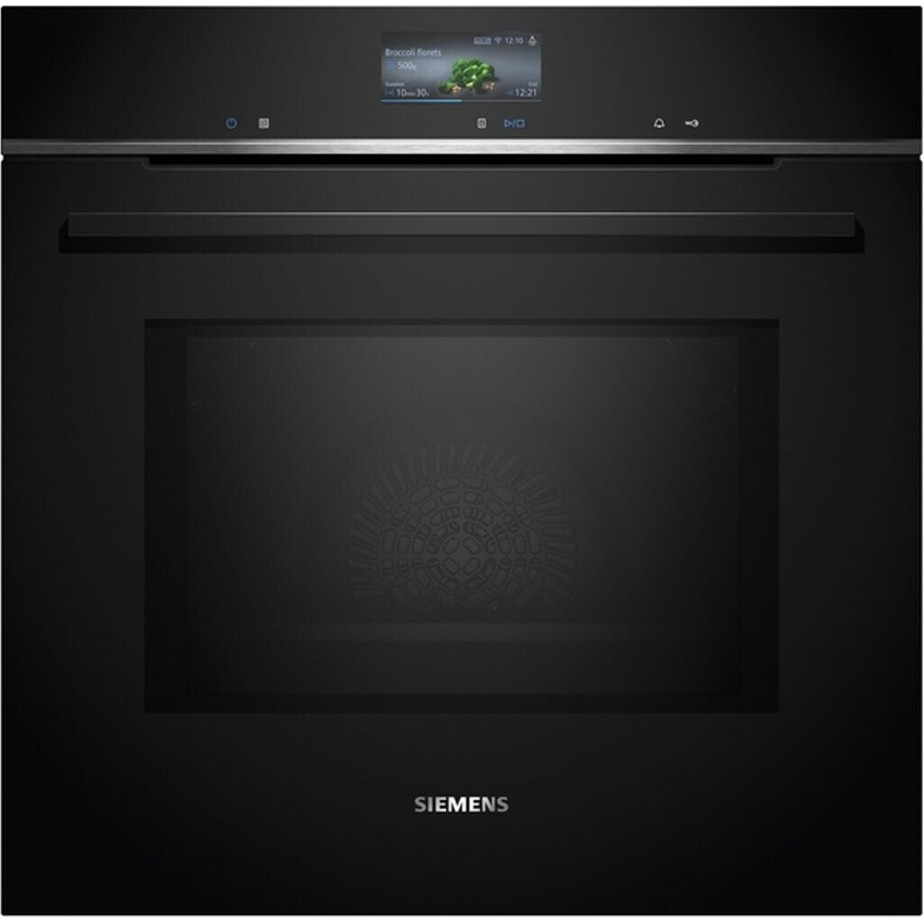
Nutrient Preservation: Nutrient analysis showed that steaming maintained more vitamins, especially water-soluble vitamins like Vitamin C, compared to standard approaches where nutrient loss was more pronounced due to greater cooking temperatures.
Advantages of Steam Ovens
- Healthier Cooking: Retains nutrients and moisture, making meals healthier.
- Adaptability: Multi-functionality, enabling baking, roasting, and reheating together with steaming.
- Taste Enhancement: Perfect for cooking fragile foods, assisting to maintain their flavor profile.
- Time-saving: Faster cooking times mean more convenience for busy way of lives.
- Easy Cleaning: Induktionskochfeld Autark Test Self-cleaning features decrease the time and effort required for upkeep.
Possible Limitations
- Price: Steam ovens can be more expensive than standard ovens.
- Knowing Curve: Users may require time to adapt to brand-new cooking techniques and settings.
- Capacity Restrictions: Some models may not accommodate bigger meals or multiple items at as soon as.
Regularly Asked Questions (FAQ)
1. Can a steam oven change a routine oven?
- While steam ovens can work similarly to traditional ovens, some baking strategies may not yield the exact same outcomes, especially for recipes that need dry heat.
2. Just how much water does a steam oven require?
- Many steam ovens use a small reservoir that can be filled with faucet water. The specific quantity varies by design, however it typically needs to be refilled less regularly than one may expect.
3. What types of food can I prepare in a steam oven?
- Steam ovens are flexible; you can steam veggies, fish, rice, and meats, as well as bake bread and desserts with particular models.
4. Are steam ovens energy effective?
- Usually, steam ovens are more energy-efficient than traditional ovens, as they heat up quicker and cook products at lower temperature levels.
5. What maintenance does a steam oven need?
- Routine cleansing of the water tank, door gasket, and interior surface area after usage is suggested. Some designs also offer self-cleaning features.
In conclusion, steam ovens represent the future of healthier, flavor-rich cooking. The relative tests reveal that they outshine conventional techniques in cooking time, flavor retention, moisture preservation, and nutrient retention. While there are some restrictions, generally related to the preliminary investment and discovering curve, the advantages far outweigh these issues. For anybody considering an upgrade to their kitchen appliances, a steam oven might effectively change the way they cook, eat, and take pleasure in food.












