

The Charm and Functionality of Fireplaces: A Comprehensive Guide
Fireplaces have long been a main feature in homes, symbolizing heat, friendship, and convenience. They come in various styles, materials, and fuel types, accommodating the choices and requirements of diverse house owners. This post explores the complex world of fireplaces, exploring their history, types, installation factors to consider, and upkeep tips, while providing FAQs to deal with common queries.
A Brief History of Fireplaces
Historically, fireplaces acted as the foundation for cooking and heating homes. In ancient times, an open hearth was frequently put in the center of a house. Over centuries, architectural developments assisted in the advancement of more advanced styles, progressing from basic stone structures to elaborate mantels that command modern living areas.
Key Historical Milestones:
- Ancient Times: Open fires in caverns and primitive huts for warmth and cooking.
- Middle Ages: Large, typically centralized chimney structures in excellent halls of castles.
- Renaissance: Decorative mantels and designs gain popularity, with the fireplace becoming a symbol of wealth and status.
- Industrial Revolution: Advancements in products and manufacturing enable for a broader variety of fireplace styles.
- Modern Era: Gas and electric fireplaces become prevalent, permitting increased convenience and security.
Types of Fireplaces
Today, various types of fireplaces are available, each with its unique characteristics. Below is a breakdown of the most common types:
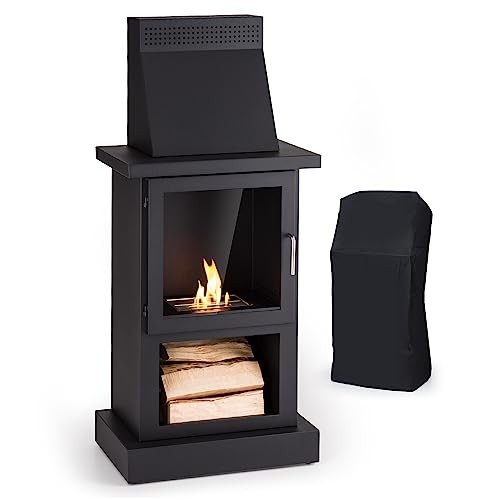
| Fireplace Type | Description | Pros | Cons |
|---|---|---|---|
| Wood-Burning | Traditional fireplaces sustained by wood. | Genuine experience, heat output. | Labor-intensive, needs correct venting/maintenance. |
| Gas | Fireplaces that utilize gas or propane. | Easy to utilize and preserve. | Less atmosphere compared to wood. |
| Electric | Uses electrical energy to produce heat and flames. | Safe, no venting required. | Limited heat output, greater energy expenses. |
| Bioethanol | Uses bioethanol fuel, producing tidy flames. | Ecologically friendly, portable. | Requires regular refueling. |
| Pellet | Utilizes compressed wood pellets as fuel. | Tidy burning, sustainable. | Requires power for operation. |
Extra Considerations
When picking a fireplace, it is vital to think about factors such as:
- Fuel Availability: Consider what fuels are easily accessible in your location.
- Space and Aesthetics: The size of your living area and your style choices must assist your choice.
- Building Regulations: Always speak with local policies to ensure compliance and safety.
Installation Considerations
Setting up a fireplace involves more than simply placing a structure in your house. Thorough preparation, expert input, and adherence to security codes are critical. Here are some vital actions:
- Planning: Consider the size and kind of fireplace, where it will be positioned, and its intended use.
- Assessment: Hire a certified contractor to evaluate your home and ensure correct installation.
- Allows: Obtain any needed structure licenses from local authorities.
- Materials: Select appropriate products for the fireplace and surrounding location. Ensure they are fire-resistant and created for your fuel type.
Upkeep Tips for Fireplaces
Regular upkeep guarantees your fireplace operates safely and efficiently. Here are necessary upkeep tips categorized by fireplace type:
Wood-Burning Fireplaces
- Chimney Cleaning: Have your chimney cleaned up every year to prevent creosote buildup.
- Inspect for Damage: Check for fractures and damage to the firebox and chimney structure.
- Fire wood Storage: Store firewood far from the home to prevent bug problems.
Gas Fireplaces
- Log Inspection: Regularly examine ceramic logs for fractures and change if needed.
- Vent Cleaning: Ensure that vents are devoid of obstructions.
- Pilot Light Check: Test pilot lights and ignition systems regularly.
Electric Fireplaces
- Cable Inspection: Frequently inspect electrical cords for fraying or wear.
- Tidy Surfaces: Wipe down surface areas routinely to remove dust and particles.
- Smoke alarm: Ensure smoke detectors in the area are functional.
Bioethanol and Pellet Fireplaces
- Fuel Storage: Store fuels in a cool, dry place away from direct sunshine.
- Routine Refueling: Monitor fuel levels and refuel as needed.
- Ventilation: Ensure correct ventilation when utilizing these fireplaces.
FAQs About Fireplaces
Q1: Do I need a permit to install a fireplace?
Yes, a lot of towns need permits for fireplace installations to ensure security and compliance with regional structure codes.
Q2: How typically should I clean my chimney?
It is advised to have your chimney cleaned at least once a year, particularly if you use your fireplace regularly.

Q3: Can I convert a wood-burning fireplace to gas?
Yes, lots of homeowners transform wood-burning fireplaces to gas for convenience, however seeking advice from a professional is recommended to ensure a correct conversion.
Q4: Do electric fireplaces produce heat?
Yes, electric fireplaces can produce heat; however, their main function is frequently for ambiance, making them an ideal alternative for those who want a fire appearance without substantial heating.
Q5: Are bioethanol fireplaces safe?
Bioethanol fireplaces are typically safe when used properly; nevertheless, they require proper ventilation, and users must follow all producer guidelines.
Fireplaces not only include visual appeal to homes but likewise supply useful heating solutions. With different types, styles, and upkeep requirements, house owners can make educated options that best match their requirements and way of lives. Whether selecting the beauty of a wood-burning fireplace or the convenience of a gas design, a fireplace can considerably improve a home's convenience and environment. As the hearth stays a centerpiece in homes, it continues to cultivate heat, discussion, and connections among family and good friends.












