The Ultimate Guide to Baby Prams and Pushchairs: Choosing the Right One for Your Little One
When it concerns welcoming a new baby into the household, expectant parents are often faced with a myriad of choices. Among the most vital choices is picking the ideal baby transport system. Baby prams and pushchairs (strollers) are necessary items that offer convenience, convenience, and security for both parents and their kids. This comprehensive guide will assist you browse the world of baby prams and pushchairs, checking out the various types, features, and ideas for making the very best option for your family.
Comprehending Baby Prams and Pushchairs
Before diving into the specifics, it's vital to know the distinction between a pram and a pushchair. Here's a short overview:
| Term | Description |
|---|---|
| Baby Pram | A conventional baby stroller that is developed for newborns and extremely young infants. Prams normally have a flat, reclining seat and are developed for convenience. |
| Pushchair | A more flexible stroller appropriate for older infants and young children. Pushchairs frequently have adjustable seating positions and are generally more lightweight. |
Both choices offer distinct benefits, and understanding their functions will assist you make the best option.
Types of Baby Prams and Pushchairs
The market provides a variety of alternatives when it concerns baby prams and pushchairs. Here are a few of the most common types:
1. Traditional Prams
- Best for: Newborns
- Functions: Fully flat reclining position, big wheels for a smooth trip, typically with a retro design.
- Pros: Luxurious and comfortable for babies, fantastic for walks in the park.
- Cons: Bulky and heavy, not ideal for urban living.
2. Umbrella Strollers
- Best for: On-the-go moms and dads
- Functions: Lightweight and compact, simple to fold.
- Pros: Super portable, ideal for travel and quick trips.
- Cons: Lacks cushioning and adjustability; might not be ideal for infants.
3. Travel Systems
- Best for: Parents who want adaptability
- Features: Includes a cars and truck seat that can be clicked onto the stroller frame.
- Pros: Convenient for transitioning from vehicle to stroller, saves money as it includes both items.
- Cons: Can be heavier, and some models may not be as resilient.
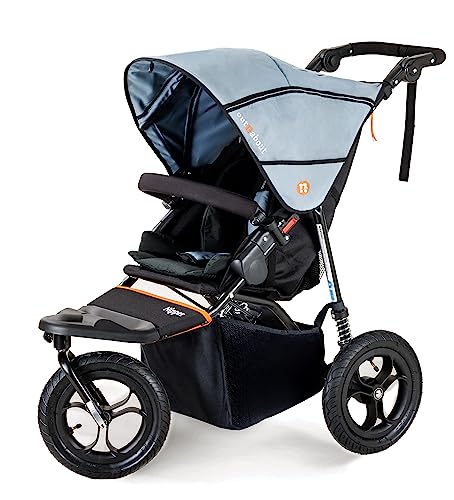
4. All-Terrain Strollers
- Best for: Active families
- Features: Larger wheels and durable frame for off-road abilities.
- Pros: Great for rough surfaces, jogging, and outside experiences.
- Cons: Heavier and bulkier than basic designs.
5. Convertible Strollers
- Best for: Growing families
- Features: Can be transformed from a single stroller to a double stroller.
- Pros: Adapts to your household's requirements, accommodating multiple children.
- Cons: Often pricier and can be heavy.
Key Features to Consider
When selecting a baby pram or pushchair, it's essential to focus on numerous crucial features:
| Feature | What to Look For |
|---|---|
| Safety Features | Five-point harness, sturdy frame, and security brakes. |
| Convenience | Padding, adjustable leg rests, and reclining seats for various positions. |
| Maneuverability | Swivel wheels for simple navigation, particularly in crowded areas. |
| Storage Space | A spacious undercarriage basket for carrying baby essentials. |
| Foldability | Easy folding mechanism for transportation and storage benefit. |
| Toughness | High-quality materials that can withstand wear and tear in time. |
Tips for Choosing the Right Pram or Pushchair
Assess Your Lifestyle: Consider how you'll be utilizing the stroller. Do you live in a city with narrow pathways? Or are you most likely to stroll through parks and nature trails?
Safety First: Always inspect for security accreditations and features that ensure your child's safety throughout rides.
Test Drive: If possible, take the stroller for a test drive. Push it around the shop or outside area to evaluate maneuverability and comfort.
Flexibility Matters: Opt for a model that can grow with your kid. Convertible strollers or travel systems that accommodate babies to toddlers are often great investments.
Spending plan Wisely: Quality matters, but ensure that the product fits within your budget plan. There are excellent choices offered in different rate varieties.
Regularly Asked Questions (FAQ)
1. At what age can I start using a pushchair for my baby?
- The majority of pushchairs can be used when your baby is around 6 months old. However, some travel systems permit using a baby safety seat from birth.
2. How do I tidy my Baby Pram - Www.Herbertslemmer.Top, or pushchair?
- A lot of designs include removable and washable fabrics. Regularly wipe the frame and wheels with a wet fabric, and avoid using severe chemicals.
3. Are more pricey pushchairs worth it?
- More expensive designs typically feature advanced features, durability, and superior safety standards. They might be worth the financial investment depending upon your way of life needs.
4. Do I require a travel system?
- If you regularly travel by automobile, a travel system may be beneficial as it enables easier transitions from the safety seat to the stroller.
5. How long will I require a baby pram or pushchair?
- The majority of strollers accommodate kids as much as 50 pounds. Depending upon the model and your kid's development rate, you might use it well into their young child years.
Picking the very best baby pram or pushchair needs careful factor to consider of your way of life, preferences, and your kid's needs. With a lot of alternatives available, parents can find a model that fulfills their household's requirements. Whether it's a standard pram for leisurely walks, an umbrella stroller for quick journeys, or a travel system for flexibility, the ideal option can improve your parenting journey, making getaways with your youngster pleasurable and worry-free. Delighted walking!